
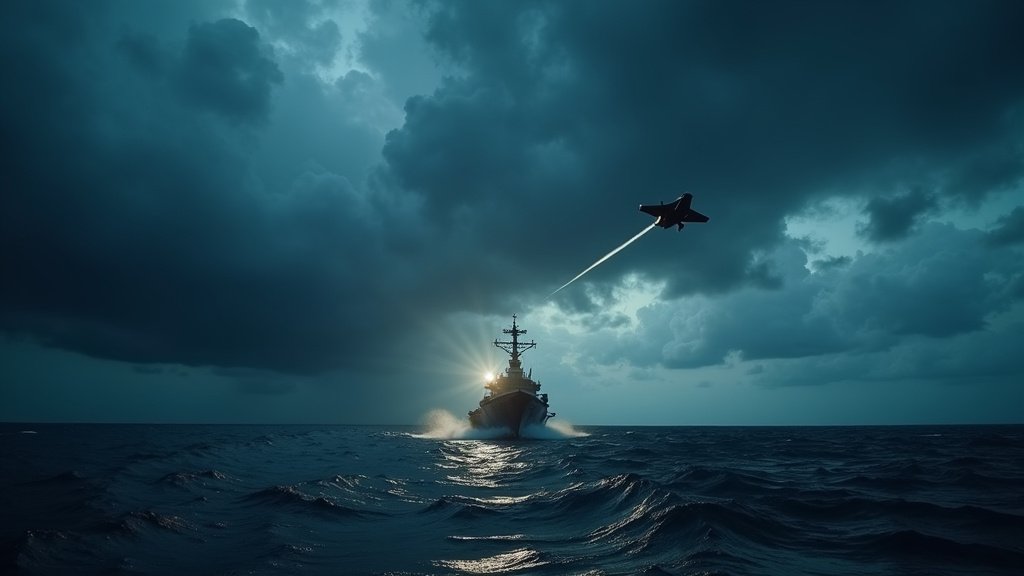
The United States military has significantly intensified its anti-narcotics campaign, launching a series of strikes against alleged drug trafficking vessels in both the Caribbean Sea and the Eastern Pacific Ocean. These operations, part of what is officially termed “Operation Southern Spear,” have resulted in numerous fatalities and have drawn sharp criticism from international bodies, human rights organizations, and some regional governments, raising serious questions about legality and civilian impact.
Escalation of Military Operations
The intensified campaign began in September 2025 under the Trump administration and has continued with increasing frequency. As of mid-November 2025, U.S. forces have conducted at least 21 strikes on 22 vessels, resulting in the deaths of at least 83 individuals, with two survivors reported. The strikes have targeted vessels in international waters, with U.S. officials asserting that intelligence confirmed involvement in illicit narcotics smuggling, transit along known trafficking routes, and the carrying of narcotics. Defense Secretary Pete Hegseth has vowed to “find and and terminate EVERY vessel with the intention of trafficking drugs to America to poison our citizens”.
This expansive operation involves a significant military buildup, including the deployment of the USS Gerald R. Ford aircraft carrier strike group to the Caribbean, alongside numerous other Navy ships, F-35 stealth warplanes, and strategic bombers like the B-52. This represents the largest U.S. military presence in the region in decades. The U.S. military has also expanded its operations into the Eastern Pacific, signaling a broader strategy to disrupt drug flows originating from South America.
Legal Justifications and Criticisms
The legal basis for these strikes has become a focal point of contention. U.S. officials, including President Trump and Secretary Hegseth, have justified the actions by asserting that the U.S. is engaged in an “armed conflict” with drug cartels, which they characterize as “narco-terrorists” and “designated terrorist organizations”. This framing relies on the same legal authority invoked by the Bush administration during the war on terror. The administration has also indicated that the Justice Department drafted a classified opinion intended to shield personnel involved from potential prosecution.
However, these justifications have been met with significant pushback. The UN High Commissioner for Human Rights, Volker Türk, has strongly condemned the strikes, stating they “violate international human rights law” and called for them to halt immediately. Türk’s office has characterized the operations as “extrajudicial killings” and asserted that countering drug trafficking is a law-enforcement matter governed by strict limits on lethal force, which the U.S. appears to be exceeding.
International legal experts echo these concerns, arguing that the U.S. actions, particularly outside the context of armed conflict, may constitute war crimes or murder. Critics question the administration’s decision to attack vessels rather than interdict them for arrest and prosecution, highlighting the lack of publicly provided evidence to support claims that those killed were indeed traffickers and not civilians, such as fishermen. The administration has largely rebuffed demands from U.S. lawmakers and international bodies for greater transparency regarding the legal justification and specific targets.
Regional Implications and Context
The operations have intensified regional tensions, particularly with Venezuela. The U.S. has accused Venezuelan President Nicolás Maduro’s government of ties to drug trafficking and designated the Tren de Aragua gang as a foreign terrorist organization. Venezuela has denied these charges, with President Maduro accusing the U.S. of fabricating a war for regime change. The military buildup has prompted Venezuela to announce its own “massive deployment” of forces in response.
Some analysts suggest that the scale of the military deployment, beyond what is necessary for counternarcotics operations, may signal broader strategic objectives, including pressure on the Maduro government. The Community of Latin American and Caribbean States (Celac) issued a declaration rejecting the “use or threat of use of force and any action not in accordance with international law,” though Venezuela and Nicaragua were the only nations not to sign. Conversely, Trinidad and Tobago has expressed support for the U.S. actions, aligning with a few other regional perspectives, while others like Colombia have voiced strong objections, with President Gustavo Petro accusing the U.S. of murdering a Colombian fisherman.
Broader Campaign and Future Outlook
Operation Southern Spear, led by Joint Task Force Southern Spear, is a comprehensive effort involving not just naval power but also aerial assets and potentially robotics and autonomous systems. While the U.S. Coast Guard continues its record-breaking maritime interdictions through traditional law enforcement, the parallel military campaign represents a significant shift in policy.
The ongoing news surrounding these strikes highlights a complex intersection of national security, international law, and human rights. As the operations continue into late 2025, the debate over their legality, effectiveness, and ultimate goals is likely to persist, with international scrutiny and calls for accountability remaining prominent features of the regional news cycle.