
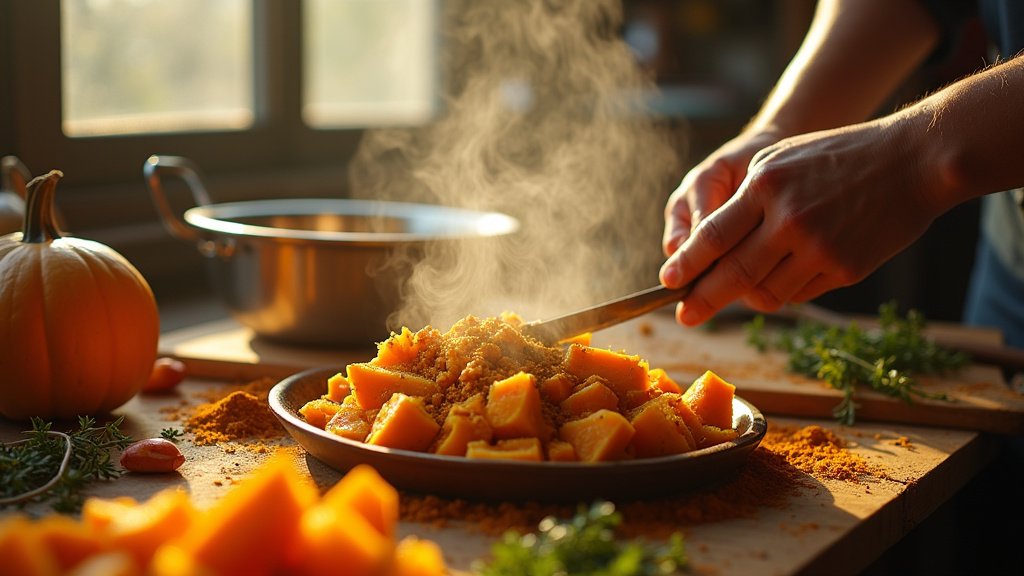
When autumn casts its golden hue across the UK, and pumpkins take pride of place in seasonal displays, a deeper culinary story unfolds. For the Indo-Caribbean community, the humble pumpkin is not merely a transient fall fixture but a year-round staple, a testament to a rich history of migration, adaptation, and vibrant flavour fusion. This beloved gourd, brought to the Caribbean shores by Indian indentured laborers in the 19th century, has evolved into an indispensable ingredient, bridging cultures and continents through its versatile nature. Today, Indo-Caribbean food traditions continue to thrive, with pumpkin recipes offering a comforting taste of home and heritage.
A Culinary Journey: From India to the Caribbean
The journey of the pumpkin to the Caribbean is intrinsically linked to the historical migration of Indian indentured laborers. Carrying with them seeds and culinary knowledge, these communities introduced familiar ingredients like ‘kaddu’ (pumpkin) to a new landscape. On Caribbean soil, these traditional Indian preparations met a new array of spices and local produce, including the fiery Scotch bonnet pepper, fragrant thyme, and creamy coconut milk. This cross-cultural pollination birthed a unique culinary identity, where the earthy sweetness of pumpkin harmonized with the bold, aromatic spices characteristic of the region. Unlike its perception as a seasonal novelty in some parts of the world, pumpkin became an integral part of the daily diet in the Caribbean, prized for its availability and adaptability.
The Versatile Gourd: A Staple in Sweet and Savory Dishes
The magic of pumpkin in Indo-Caribbean cuisine lies in its remarkable versatility. It is celebrated not just for its vibrant colour and tender texture when cooked, but for its ability to absorb and complement a wide spectrum of flavours. While specific varieties like the dense, slightly sweet West Indian pumpkin (also known as Calabaza) are particularly prized, substitutes like butternut squash or kabocha are readily accepted in kitchens around the world when the authentic variety is unavailable. This adaptability ensures that the essence of these recipes can be recreated anywhere. Pumpkin finds its way into a diverse range of dishes, from hearty curries and comforting soups to sweet treats, demonstrating its capacity to be both a savory cornerstone and a delightful dessert ingredient.
Signature Indo-Caribbean Pumpkin Recipes
Across the Indo-Caribbean diaspora, certain pumpkin recipes stand out as culinary anchors. Pumpkin Tarkari is a quintessential dish, particularly in Trinidad and Tobago. This dry, spiced pumpkin curry is celebrated for its simple yet profound flavour, often served as a side with roti or rice. The method typically involves sautéing aromatics like onions and garlic with spices such as cumin and turmeric, then simmering diced pumpkin until it softens into a rich, often mashed consistency. Another beloved preparation is the Pumpkin and Chana Curry, which marries the tenderness of pumpkin with the heartiness of chickpeas in a creamy coconut milk base, a common favourite in Trinidad and Guyana. Beyond savory curries, pumpkin also stars in sweet preparations. Pumpkin Pone, a dense, spiced cake akin to a cousin of bread pudding, is a traditional sweet treat, often enjoyed during festive seasons. It showcases the pumpkin’s natural sweetness, enhanced by coconut and warming spices. These recipes, passed down through generations, are more than just meals; they are edible narratives of history and identity.
Sustaining Heritage in the Diaspora
For Indo-Caribbean families living abroad, particularly in places like the UK, these food traditions serve as vital links to their heritage. The act of preparing and sharing pumpkin dishes evokes memories of home, family, and cultural roots. In the UK today, these recipes are not only maintained but also celebrated, continuing to enrich the diverse culinary landscape. As autumn arrives, kitchens in London, Birmingham, and beyond come alive with the familiar aromas of spiced pumpkin, connecting the present generation to their ancestral past. This enduring connection highlights how food acts as a powerful medium for cultural preservation and expression, transforming nostalgia into nourishment and community.
Pumpkin’s place in Indo-Caribbean cuisine is a story of resilience and reinvention. From its ancient origins to its integration into a vibrant fusion food culture, this versatile ingredient continues to offer comfort, flavour, and a deep sense of connection. As we explore these rich recipes, we not only savour delicious food but also honour a legacy that continues to shape and enrich the culinary world today.