
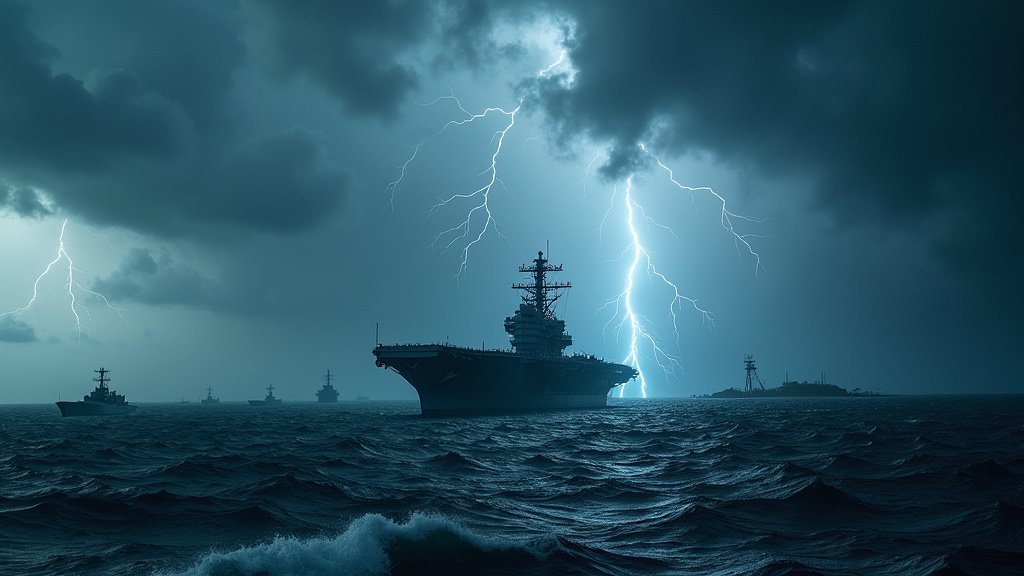
The Caribbean region is grappling with a dual crisis of unprecedented natural disaster and escalating geopolitical instability, as Tropical Storm Melissa rapidly intensified into a catastrophic Category 5 hurricane, leaving a trail of destruction across multiple islands. Simultaneously, heightened tensions between the United States and Venezuela, fueled by a significant U.S. military presence and targeted airstrikes, are casting a long shadow over the region, exacerbating a growing migration crisis and sparking debate among regional leaders.
Hurricane Melissa Unleashes Fury Across the Caribbean
Tropical Storm Melissa, which formed as the 13th named storm of the 2025 Atlantic hurricane season, underwent an extreme and rapid intensification, transforming into a monstrous Category 5 hurricane. Reaching sustained winds of 185 mph, Melissa made landfall near New Hope, Jamaica, on October 28, becoming the most powerful tropical cyclone to ever strike the island nation and one of the most intense hurricanes on record for the Atlantic basin. The storm’s wrath extended beyond Jamaica, bringing devastating impacts to Hispaniola, Cuba, the Turks and Caicos Islands, The Bahamas, and Bermuda.
In Jamaica, the storm triggered catastrophic flooding and landslides, with forecasts predicting up to 30 inches of rain and storm surges reaching 13 feet. The southern coast bore the brunt of the surge, and areas like Westmoreland and Saint Elizabeth parishes experienced near-total destruction of homes and infrastructure. Mandatory evacuations were ordered, and hospitals faced disruptions.
Haiti and the Dominican Republic also suffered immensely from Melissa’s heavy rainfall, leading to widespread flooding and deadly landslides, particularly in mountainous regions. The Dominican Republic reported over 750 homes damaged, displacing more than 3,760 people and leaving over half a million without water services. Tragically, at least three people were confirmed dead in Haiti and one in the Dominican Republic, with another person missing. Widespread erosion in Haiti heightened concerns over flooding, a recurring disaster for the nation.
Cuba faced hurricane warnings in several provinces, anticipating up to 20 inches of rain and significant storm surge, before Melissa weakened to a Category 3 hurricane prior to its landfall there. The storm’s trajectory prompted the evacuation of U.S. military personnel from Guantanamo Bay and the repositioning of U.S. Navy ships. Forecasters note that climate change likely contributed to the warmer waters that fueled Melissa’s rapid intensification, potentially increasing its destructive power.
Geopolitical Tensions Escalate with U.S. Military Buildup
Concurrent with the hurricane’s devastation, the Caribbean has become the stage for a significant geopolitical escalation involving the United States and Venezuela. Since September 2025, the U.S. military has conducted a series of airstrikes in the Caribbean Sea and Eastern Pacific Ocean targeting vessels allegedly used by drug traffickers, including groups linked to Venezuela and Colombia. The U.S. has deployed substantial naval assets, including the USS Gerald R. Ford aircraft carrier, nuclear-powered submarines, and numerous destroyers and cruisers, marking the largest U.S. military presence in the region in decades.
The Trump administration has framed these operations, dubbed “Operation Southern Spear,” as a mission to combat maritime drug trafficking and protect U.S. interests. However, the scale of the deployment and the targeting of Venezuelan-linked vessels have fueled speculation that these actions may presage a campaign for regime change in Venezuela. As of mid-November 2025, at least 83 individuals were reported killed in these strikes, though the U.S. has not publicly released evidence for its allegations. The U.S. military has not ruled out sending troops to Venezuela.
This heightened military activity has increased tensions between Washington and Caracas, with Venezuelan President Nicolás Maduro accusing the U.S. of “imperial threats” and “war propaganda”.
Migration Crisis and Divergent Regional Views on Peace
The escalating U.S.-Venezuela tensions have further complicated the ongoing Venezuelan migration crisis, a significant concern for many Caribbean nations. Trinidad and Tobago’s Prime Minister Kamla Persad-Bissessar has repeatedly called for CARICOM cooperation to address the influx of Venezuelan migrants, stating that her nation is strained by tens of thousands of undocumented individuals and accusing the Venezuelan government of stalling repatriation efforts.
The broader Caribbean Community (CARICOM) has largely reaffirmed its commitment to maintaining the Caribbean as a “Zone of Peace,” emphasizing diplomacy and dialogue for dispute resolution. However, Trinidad and Tobago has diverged from this consensus, with Prime Minister Persad-Bissessar asserting that her country is not a “zone of peace” due to high crime rates and drug trafficking, and accusing CARICOM of siding with Venezuela over T&T. This stance has created a rift within the regional body.
Former regional leaders have also weighed in, with some urging restraint and diplomatic solutions between the U.S. and Venezuela. Meanwhile, Venezuela’s Ambassador to St. Lucia stated that the U.S. naval presence violates the established “Zone of Peace” declaration. Several European allies have also voiced concerns about the legality and implications of the U.S. military operations.
Political Undercurrents Amidst Regional Turmoil
Adding to the complex regional news landscape, even domestic political matters have been affected. In Jamaica, opposition legislators staged a walkout of Parliament on October 22, protesting the Speaker’s refusal to allow them to ask questions regarding national preparations for Tropical Storm Melissa. Opposition Leader Mark Golding characterized the Speaker’s actions as “improper, irregular, unparliamentary, and thwarting the democracy of the country”. The Speaker, Juliet Holness, defended her rulings as being in accordance with parliamentary Standing Orders.
As the Caribbean region navigates the immediate aftermath of Hurricane Melissa’s devastation, it also faces a precarious geopolitical climate. The interplay of severe weather events, escalating international military posturing, and pressing humanitarian concerns presents a multifaceted challenge for regional leaders today. The future trajectory of this news cycle will depend on diplomatic efforts, the continued impact of climate change on extreme weather, and the region’s collective response to these interconnected crises.