
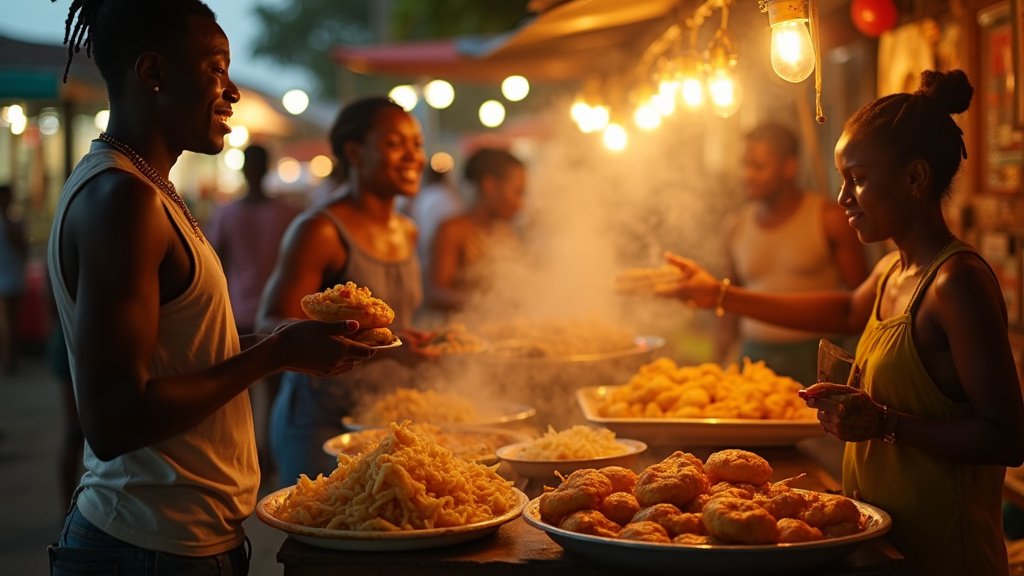
Trinidad and Tobago, a vibrant duo of islands nestled in the southern Caribbean, offers a culinary landscape as diverse and rich as its cultural tapestry. Far from a singular island cuisine, it is a dynamic fusion shaped by centuries of migration, colonization, and cultural exchange, creating a gastronomic adventure that is distinctly its own.
A Mosaic of Flavors: The Influences Behind Trinidad and Tobago’s Cuisine
The nation’s food is a testament to its history, a delicious narrative woven from threads of Indigenous, African, Indian, European, Chinese, and Middle Eastern influences. Following the abolition of slavery, indentured laborers, particularly from India and China, arrived, bringing with them integral ingredients and cooking techniques that profoundly shaped the local palate. This blend is so distinctive that Trinbagonians themselves refer to their nation as a “tossed salad” of cultures, a metaphor that perfectly captures the harmonious integration of these diverse culinary traditions. The legacy of colonial powers like the Spanish, French, and British also left indelible marks, contributing to a complex and layered culinary identity.
Iconic Dishes: A Culinary Journey Through Tradition
At the forefront of Trinidad and Tobago’s celebrated cuisine is a pantheon of iconic dishes, each telling a story of heritage and adaptation. Doubles stands out as perhaps the most recognizable street food, a humble yet complex sandwich comprising two soft, fried flatbreads (baras) filled with curried chickpeas (channa). Often enjoyed for breakfast or as a late-night snack, it is generously topped with an array of sauces, including tangy tamarind, spicy pepper sauce, and kuchela (spicy mango relish). Another staple is Roti, a versatile flatbread brought by Indian indentured laborers, now an integral part of daily life. Whether it’s the flaky ‘buss-up-shut’ (paratha) or the split-pea-filled ‘dhalpuri’, roti serves as the perfect vessel for an assortment of curried meats and vegetables.
Callaloo, often hailed as a national dish, is a rich, creamy stew with deep African roots, typically made from dasheen leaves, okra, coconut milk, and seasoned with chadon beni (culantro), onions, and often crab or pigtails. This hearty dish is a cornerstone of Sunday lunches and is frequently served with staples like rice or coo coo. Pelau, a flavorful one-pot rice dish, showcases the island’s ability to meld ingredients like chicken, pigeon peas, coconut milk, and caramelized sugar into a cohesive and comforting meal, reflecting the African tradition of communal cooking. For seafood lovers, Bake and Shark, a beloved sandwich of seasoned fried shark nestled in a fluffy fried dough known as ‘bake’, is a must-try, particularly popular at Maracas Beach. Other beloved dishes include Curried Duck, often prepared for competitions, Aloo Pie (fried potato-filled dough), and Baiganee (fried eggplant).
The Heartbeat of the Streets: Trinidad and Tobago’s Vibrant Street Food Culture
Trinidad and Tobago’s culinary identity is intrinsically linked to its bustling street food scene, a microcosm of its multicultural heritage. Vendors are ubiquitous, offering a kaleidoscope of flavors available at any hour, making street food not just a snack but a way of life. Beyond doubles and roti, the streets come alive with delights like Pholourie (fried, spiced split pea dough balls), Saheena (a savory fritter), Chow (spicy pickled fruits), Souse (pickled meats), and Corn Soup. These accessible, affordable, and incredibly flavorful options are central to the island’s gastronomic appeal and are often cited as essential experiences for any visitor today.
Tobago’s Culinary Charm: Island Flavors and Freshness
While sharing many culinary traditions with Trinidad, Tobago boasts its own signature dishes, often highlighting the abundant fresh seafood. Curried Crab and Dumpling is Tobago’s celebrated specialty, a rich and flavorful dish where tender crab meat is enveloped in a fragrant coconut curry sauce, perfectly complemented by soft flour dumplings designed to soak up every last drop. The island also shines with its preparations of ‘blue food’—local provisions like dasheen, sweet potato, and yam, often served in hearty soups and stews.
Modern Tastes and Future Recipes
Today, Trinidad and Tobago’s food scene continues to evolve, embracing global trends like fusion cuisine while honoring its rich culinary heritage. Chefs and home cooks alike are experimenting with new interpretations of classic recipes and integrating contemporary techniques, ensuring that the cuisine remains dynamic and exciting. The emphasis on fresh, local ingredients and the vibrant culture surrounding food mean that the tradition of passing down family recipes is stronger than ever, promising a rich future for these unique caribbean flavors.
In essence, Trinidad and Tobago’s cuisine is more than just sustenance; it is a cultural narrative, a source of national pride, and an irresistible invitation to explore a world of flavor that is truly unmatched in the caribbean today.