
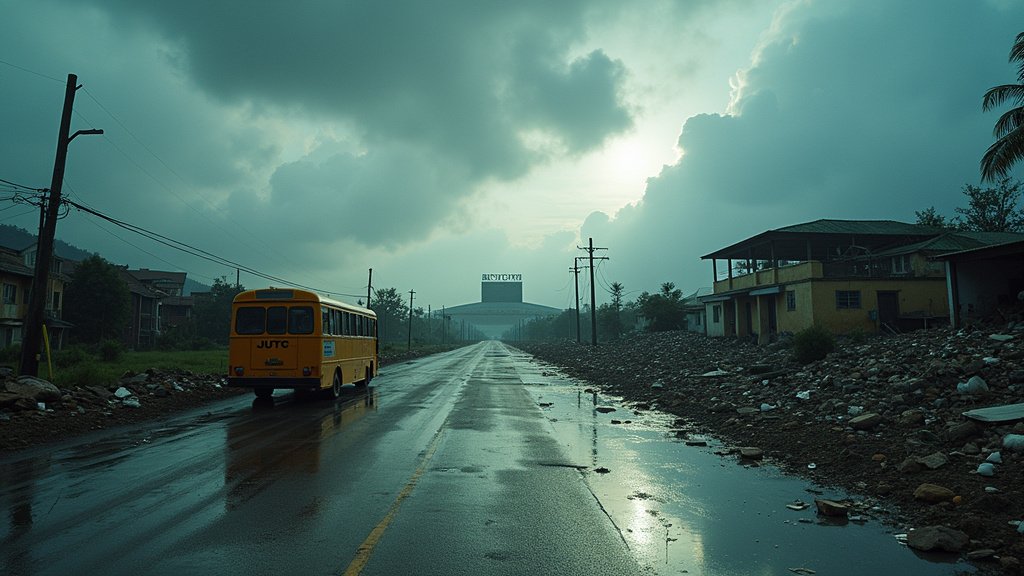
KINGSTON, JAMAICA – The Caribbean is grappling with the devastating aftermath of Hurricane Melissa, a monstrous Category 5 storm that made landfall in Jamaica on October 28, 2025, causing catastrophic damage and prompting the postponement of numerous sporting events across the island and the wider region. The hurricane, which intensified rapidly in the Caribbean Sea, delivered unprecedented wind speeds, torrential rainfall, and life-threatening storm surges, leaving a trail of destruction and impacting the nation’s infrastructure and daily life.
Hurricane Melissa Unleashes Fury on Jamaica
Hurricane Melissa, described as the strongest tropical cyclone worldwide in 2025, became the most intense hurricane to make landfall in Jamaica’s history, surpassing Hurricane Gilbert in 1988. At its peak, the storm sustained winds nearing 300 km/h, with gusts recorded at an astonishing 252 mph (406 km/h). The relentless onslaught resulted in catastrophic flash flooding, widespread landslides, and extensive infrastructural damage, with millions of people affected and many homes destroyed or submerged. The storm surge along Jamaica’s southern coast reached heights of three to four meters, exacerbating the devastation. The economic toll is staggering, with damage estimated at $10 billion USD, making it the costliest disaster in Jamaican history.
The government of Jamaica, under the leadership of Prime Minister Andrew Holness, declared the island a “disaster area” on October 28 as preparations and responses intensified. Emergency shelters were activated, public transportation like JUTC buses were mobilized for evacuations, and the National Works Agency undertook critical flood mitigation efforts. Citizens were urged to secure important documents and take immediate safety precautions, as the storm brought prolonged periods of damaging winds, heavy rainfall, and communication outages.
Sporting Calendar Thrown into Disarray
The severe weather conditions and the subsequent recovery efforts have inevitably disrupted the region’s vibrant sports calendar. Several key sporting events have been postponed to ensure the safety of athletes, officials, and spectators.
CONCACAF Caribbean Cup: The highly anticipated playoff series for the 2025 CONCACAF Caribbean Cup faced significant rescheduling. The crucial second leg match between Jamaica’s Mount Pleasant FA and Trinidad & Tobago’s Defence Force FC, originally slated for October 30, was postponed and rescheduled to November 5, 2025, to avoid the storm’s direct impact. Other playoff games involving O&M FC and Cibao FC were also adjusted.
ISSA Schoolboy Football: The ongoing ISSA schoolboy football competitions, including the Manning Cup and daCosta Cup, saw their second-round games postponed. According to a press release, a 48-hour notice would be provided prior to the recommencement of these popular youth tournaments.
CG United Super 50 Cup: While the storm’s immediate impact preceded the scheduled start of the 2025 CG United Super 50 Cup, preparations and the initial phases of this premier regional cricket tournament, set to run from November 19 to 29 in Trinidad, were indirectly affected. Cricket West Indies (CWI) had announced the tournament fixtures on October 25, but the overarching severe weather threat and subsequent recovery efforts across the Caribbean likely influenced team preparations and logistical arrangements, underscoring the pervasive reach of Hurricane Melissa’s influence on all facets of island life, including organized sports.
Other Sports: The initial reports also indicated postponements for junior football, boys’ basketball, and the ongoing netball season, reflecting a widespread halt to athletic activities as the nation focused on weathering the storm and initiating recovery.
Regional Impact and Ongoing Recovery
Beyond Jamaica, Hurricane Melissa also caused torrential rain and flooding in Haiti and the Dominican Republic, with reports indicating over 50 fatalities, many in Haiti. The storm weakened after passing over Cuba as a major Category 3 hurricane before continuing its path toward the Bahamas and Bermuda.
In the wake of the disaster, international aid organizations, including the Red Cross, have mobilized to support recovery efforts in Jamaica. The country is now focused on rebuilding, restoring essential services, and providing relief to affected communities. The resilience of the Caribbean spirit is being tested, but the collective efforts toward recovery are underway, with the news of sports resuming eventually offering a beacon of normalcy.
The postponement of these events highlights the profound impact of natural disasters on the sporting landscape and community life in the Caribbean. As Jamaica and its neighbors begin the arduous process of recovery, the focus remains on safety and rebuilding, with the hope that sporting news will soon be dominated by competition rather than catastrophe.