
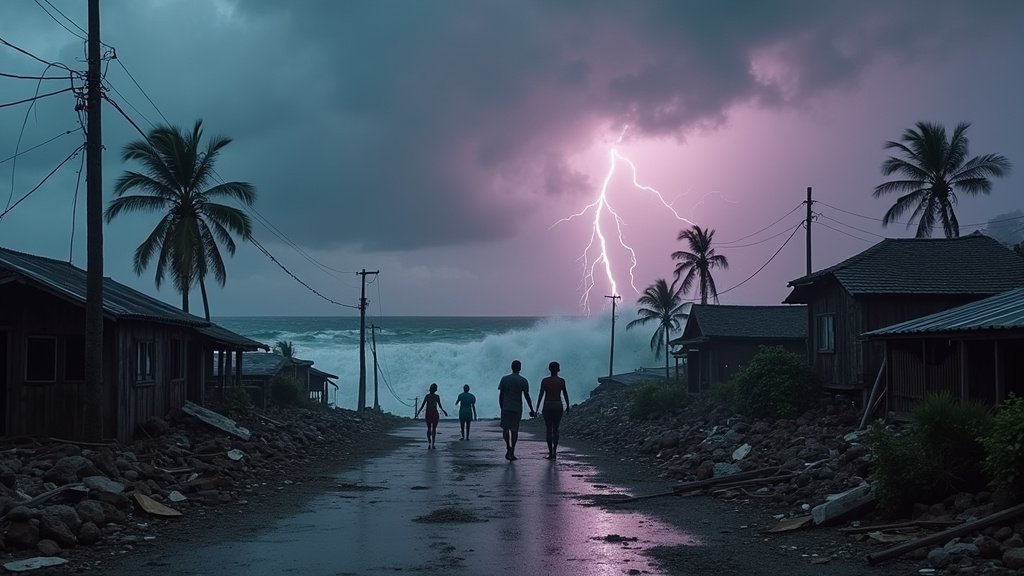
The Caribbean is reeling in the wake of Hurricane Melissa, a Category 5 behemoth that has etched its name into the annals of meteorological history as one of the most powerful Atlantic hurricanes ever recorded. Making landfall in Jamaica on October 28, 2025, with sustained winds reaching a terrifying 185 miles per hour, Melissa unleashed a torrent of destruction, impacting millions across Jamaica, Cuba, Haiti, the Bahamas, and Bermuda, and triggering a profound humanitarian and economic crisis.
Genesis of a Monster Storm
Hurricane Melissa’s rapid intensification from a tropical storm into a Category 5 hurricane was a stark display of nature’s growing ferocity. Scientists are analyzing the storm’s unprecedented development, which saw it reach peak intensity with winds nearing 185 mph and a minimum central pressure of 892 millibars, tying it for the third-lowest pressure recorded in the Atlantic basin. Its landfall in Jamaica at this peak intensity marked it as one of the most powerful landfalling hurricanes in Atlantic history, and the strongest ever to strike the island nation. The storm’s destructive power was amplified by its slow movement, allowing it to unleash prolonged periods of torrential rainfall and catastrophic wind gusts, with one dropsonde recording a gust of 252 mph.
Jamaica Bears the Brunt of Melissa’s Fury
Jamaica bore the initial and most devastating impact of Hurricane Melissa. The storm’s eyewall slammed into the western and southern coastal regions, leaving a landscape of utter devastation. Tens of thousands of homes were damaged or destroyed, with entire towns in parishes like St. Elizabeth and Westmoreland decimated, reporting up to 90 percent of buildings impacted. The catastrophic winds ripped roofs off buildings, toppled power lines, and shattered infrastructure, plunging over 75 percent of the island into darkness and cutting off communications across wide swaths of the country.
Catastrophic flooding and widespread landslides, exacerbated by an estimated three times the normal rainfall for a month, trapped communities and hindered rescue efforts. Debris removal has become a critical challenge, with over 4.8 million tonnes of rubble, vegetation, and waste blocking roads, schools, hospitals, and markets, severely delaying the delivery of vital relief supplies and the restoration of essential services. Tragically, the storm claimed dozens of lives in Jamaica, with initial reports indicating at least 45 fatalities and 15 people missing, while thousands were displaced, seeking refuge in shelters.
A Caribbean Catastrophe: From Cuba to Bermuda
Following its assault on Jamaica, Hurricane Melissa, though slightly weakened to a Category 3 storm, continued its destructive path across the Caribbean. Cuba experienced significant disruption, with over 700,000 people evacuated ahead of the storm’s arrival on its eastern coast. Reports indicate widespread damage to homes, roads, and agricultural lands.
For Haiti, already grappling with a severe humanitarian crisis, Melissa’s impact was particularly dire. The catastrophic flooding exacerbated pre-existing hardships, leading to increased displacement and tragically, adding to the death toll, with reports indicating dozens of fatalities within the country [Initial Context, 5, 6, 28]. The Bahamas and Bermuda also reported localized flooding and power outages, underscoring the storm’s extensive reach.
Economic and Agricultural Devastation
The economic fallout from Hurricane Melissa is staggering, particularly for Jamaica’s already fragile economy. The agricultural sector, a vital source of livelihoods and food security, suffered catastrophic damage estimated to exceed J$20 billion. Preliminary reports indicate near-total destruction of key crops, including an estimated 90 percent loss of banana and plantain crops, alongside severe damage to vegetables, tubers, and fruit trees. Livestock and fisheries also sustained heavy losses, with 40 percent of the layer flock lost and 25 percent of the island’s fishing fleet destroyed.
Overall physical damage in Jamaica is estimated at a colossal US$8.8 billion, equivalent to 41 percent of its 2024 GDP, making it the most expensive natural disaster in its history. Homes accounted for the largest share of this damage, followed by infrastructure. Insured losses are projected to be in the billions, prompting the payout of Jamaica’s catastrophe bond, a crucial financial lifeline that, however, covers only a fraction of the total damage. The storm’s impact threatens to send food prices soaring and create a significant food security crisis for the island.
Humanitarian Crisis and Community Resilience
Across the affected nations, hundreds of thousands of people have been displaced, facing urgent needs for food, clean water, shelter, and medical assistance. The destruction of homes and infrastructure has left many communities isolated and vulnerable. The emotional and psychological toll on survivors is immense, with many grappling with the loss of loved ones, homes, and livelihoods. The resilience of the affected communities is being tested as they begin the arduous process of recovery and rebuilding.
A Stark Climate Warning
Hurricane Melissa serves as a potent reminder of the escalating threat posed by climate change. The intensifying impacts of climate change are fuelling more frequent and severe extreme weather events, placing immense strain on the capacities of vulnerable nations, particularly in the Caribbean and Small Island Developing States. The scale of destruction wrought by Melissa underscores the urgent need for global action to mitigate climate change and build resilience against its devastating consequences.
As the Caribbean nations begin the long and challenging road to recovery, the world watches, hoping that the lessons learned from this catastrophic event will spur greater commitment to climate action and robust support for those most affected. The stories of resilience and loss from Melissa’s path will undoubtedly shape the region’s future for years to come.