
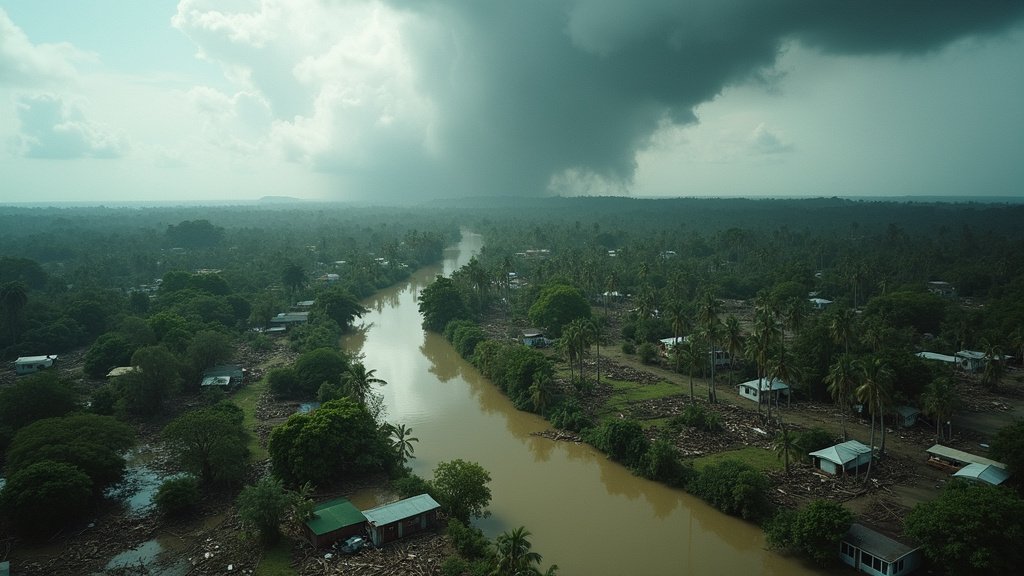
Hurricane Melissa Intensifies to Unprecedented Category 5, Devastating Jamaica and Wider Caribbean
October 28, 2025 – Hurricane Melissa, an exceptionally powerful and erratic tropical cyclone, has intensified into a catastrophic Category 5 storm, unleashing widespread devastation across the Caribbean. The hurricane made landfall near New Hope, Jamaica, on Tuesday, October 28, 2025, with peak sustained winds of 185 mph, marking it as the strongest hurricane ever to strike the island and one of the most intense landfalls in the Atlantic basin’s history. The storm’s impact has led to extensive damage, loss of life, and a humanitarian crisis affecting millions throughout the region.
Genesis and Unprecedented Intensification
Hurricane Melissa originated from a tropical wave that left the west coast of Africa around October 16, 2025. The disturbance gradually organized, developing into Tropical Storm Melissa in the central Caribbean Sea on October 21. Fueled by exceptionally warm ocean temperatures, measuring 1.4°C (2.5°F) above average, conditions made significantly more likely by human-caused climate change, Melissa underwent a period of extreme rapid intensification. Within 24 hours, its winds surged from 70 mph to over 140 mph, reaching Category 5 status on October 27. The storm’s slow movement over these warm waters and favorable atmospheric conditions, including low wind shear, allowed it to reach a minimum central pressure of 892 mbar, making it the third-most intense Atlantic hurricane on record and the most intense at landfall.
Catastrophic Landfall in Jamaica
Jamaica bore the brunt of Hurricane Melissa’s fury as it made direct landfall near its peak intensity. The National Hurricane Center (NHC) had warned of “total structural failure” due to the storm’s catastrophic winds, torrential rainfall, and powerful storm surge. Initial reports indicate that at least 75 percent of the island lost electricity, with entire neighborhoods destroyed and infrastructure severely compromised. Heavy rains caused widespread flash flooding and numerous landslides, displacing an estimated 125,000 residents and cutting off access to several communities. The damage to Jamaica is estimated to be between $6 billion and $7 billion, with 146,000 buildings suffering major to severe damage. Areas like Montego Bay, Mandeville, and Westmoreland have been described as “flattened” and “obliterated,” highlighting the scale of the disaster. The storm’s passage has been a stark reminder of the devastating consequences of such powerful weather events on national infrastructure and public services.
Regional Impact and Human Toll
Following its destructive path through Jamaica, Hurricane Melissa weakened slightly before making landfall near Chivirico, Cuba, on October 29, as a Category 3 hurricane. The storm brought sustained winds of 195 km/h (121 mph) and significant rainfall to Cuba, prompting the evacuation of over 700,000 people. Haiti also experienced severe impacts, with heavy flooding and landslides claiming more than 40 lives and forcing over 16,000 individuals to flee their homes. Other neighboring countries, including the Dominican Republic and the Bahamas, also sustained damage and disruptions. In total, Hurricane Melissa affected over 5 million people across Jamaica, Cuba, and Haiti, causing extensive damage to infrastructure, essential services, and hundreds of healthcare facilities. The cumulative death toll across the affected nations has tragically climbed to over 96.
Preparedness, Response, and Economic Repercussions
In anticipation of Melissa’s arrival, Jamaican authorities declared a threatened area and issued evacuation orders for coastal and flood-prone regions, with Prime Minister Andrew Holness urging full preparedness. Government agencies, including the National Works Agency and the National Water Commission, activated emergency protocols. The tourism sector, a vital component of the Caribbean economy, saw coordinated efforts for guest evacuations, with the Tourism Emergency Operations Centre fully activated. However, the storm’s severity overwhelmed many preparations, leading to widespread service outages.
The U.S. Department of State issued a Level 3 travel advisory, advising citizens to reconsider travel to Jamaica due to natural disaster risks, and authorized the departure of non-emergency personnel. Aid agencies, including the UN and its partners, are actively engaged in relief efforts, providing food, water, medical supplies, and supporting government-led recovery operations. The long-term economic implications for the Caribbean are profound. Major hurricanes of this magnitude historically disrupt supply chains, inflate insurance costs, deter tourism, and can lead to significant credit rating downgrades and increased debt levels for affected nations. The damage to Jamaica alone, estimated at up to $10 billion, underscores the economic vulnerability of island nations to increasingly intense storms.
Looking Ahead
As the Caribbean begins the arduous process of recovery, the resilience of its communities and infrastructure is being severely tested. The event serves as a stark reminder of the growing threats posed by climate change to vulnerable regions. Discussions are already underway regarding enhanced disaster preparedness, infrastructure resilience, and the critical need for digital readiness to safeguard vital information in the aftermath of such extreme weather. This news serves as a critical update on the unfolding humanitarian and economic crisis, highlighting the immediate and long-term challenges faced by the Caribbean in the wake of Hurricane Melissa.