
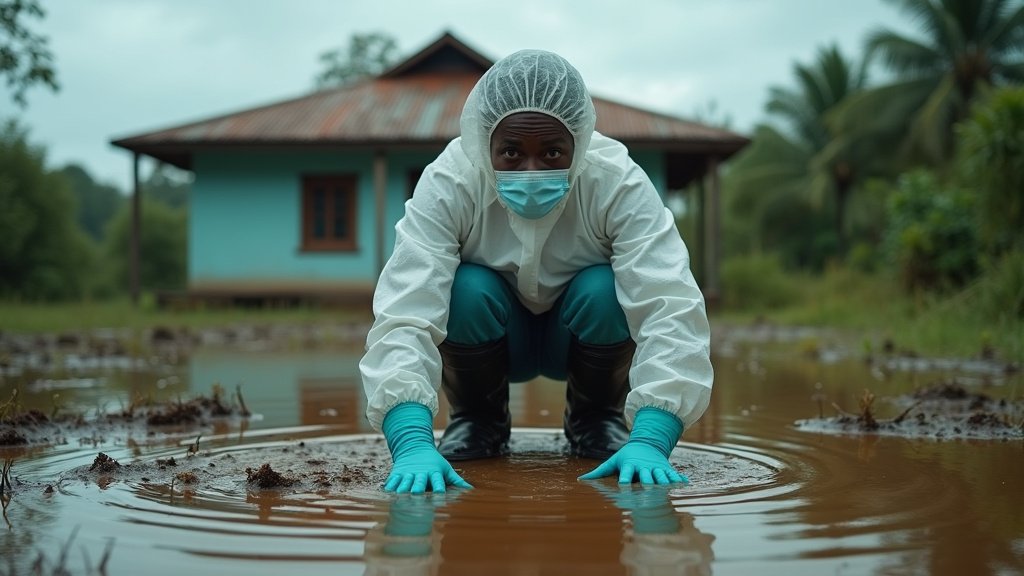
In the wake of the devastating Hurricane Melissa, health authorities in Jamaica are sounding a critical alarm over a rising number of leptospirosis cases, a dangerous bacterial infection amplified by widespread flooding and damaged infrastructure.
A Growing Public Health Crisis
Jamaica’s Ministry of Health and Wellness has confirmed 11 suspected cases of leptospirosis across four western parishes: St. James, Hanover, St. Elizabeth, and St. Ann. Two of these cases were identified in Catherine Hall, St. James, a community particularly hard-hit by the hurricane’s fury and subsequent inundation. The surge in infections is directly linked to the lingering floodwaters, which have created an environment conducive to the rapid spread of disease. This unwelcome development underscores the multifaceted challenges facing the island nation as it navigates the complex recovery process following the powerful Category 5 storm. Beyond leptospirosis, health officials are also monitoring two adult tetanus cases in Westmoreland and St. Elizabeth, as well as keeping a close watch for potential increases in dengue and typhoid.
Understanding the Invisible Threat: Leptospirosis
Leptospirosis is a serious bacterial illness primarily transmitted from animals to humans through their urine. Rodents are common carriers, but dogs and livestock can also spread the Leptospira bacteria. The bacteria can persist in water and soil for extended periods.
In humans, infection typically occurs when contaminated water or soil enters the body through cuts, abrasions, or broken skin, or via mucous membranes like the eyes, nose, or mouth. The initial symptoms often appear suddenly, usually within one to two weeks after exposure, and can mimic common illnesses such as the flu or dengue. These include high fever, severe headaches, intense muscle aches (particularly in the calves), chills, vomiting, diarrhea, red eyes, and abdominal pain.
However, leptospirosis can swiftly progress to a severe, life-threatening form known as Weil’s disease. This advanced stage can lead to critical complications such as acute kidney failure, liver damage (resulting in jaundice), meningitis, severe respiratory distress, and internal bleeding. Without prompt medical intervention, the disease carries a significant risk of fatality. Fortunately, when diagnosed and treated early with antibiotics like penicillin or doxycycline, most cases are manageable and patients can recover fully.
Hurricane Melissa’s Devastation: A Setting for Disease
Hurricane Melissa, one of the strongest Atlantic hurricanes on record, made landfall in Jamaica with catastrophic force, causing widespread destruction across the island. The storm’s impact has been far-reaching, characterized by extensive flooding, landslides, and severe damage to critical infrastructure, including homes, roads, and vital health facilities. Preliminary assessments indicate that over 1.6 million people were affected, with 45 confirmed deaths and many more missing in the immediate aftermath.
Five major hospitals in the island’s most affected parishes sustained significant damage, leading to reduced capacity and disrupted services. This compromised healthcare infrastructure poses a dual threat: hindering immediate recovery efforts while increasing vulnerability to secondary health crises like infectious disease outbreaks. The persistent flooding, exacerbated by rising groundwater levels, continues to delay recovery operations and maintain the risk of exposure to contaminated water and soil.
Official Warnings and Essential Precautions
In response to the escalating leptospirosis threat, Jamaica’s Ministry of Health and Wellness has issued urgent advisories, urging the public to exercise extreme caution. Chief Medical Officer Dr. Jacquiline Bisasor-McKenzie and National Epidemiologist Dr. Karen Webster Kerr have emphasized that the current conditions—stagnant water mixed with animal waste—are ideal breeding grounds for the bacteria.
Health officials are strongly advising residents to avoid wading, swimming, or having any contact with floodwaters whenever possible. When cleaning up debris or navigating affected areas, the use of protective gear such as waterproof boots and gloves is highly recommended. Other crucial preventive measures include ensuring stored water is properly treated before consumption, keeping food sealed, and maintaining rodent control to minimize exposure.
Crucially, individuals experiencing symptoms such as fever, severe headache, muscle aches, chills, vomiting, or red eyes are urged to seek immediate medical attention. Early diagnosis and treatment are paramount for successful management and preventing severe complications or fatalities. Public health teams are actively engaged in community education and supporting local clinics to enhance response capabilities.
Ongoing Relief and a Look Ahead
Amidst the public health concerns, extensive relief efforts are underway, involving numerous local and international organizations. Agencies such as Project HOPE, the Jamaica Defence Force (JDF), the World Food Programme, and the Red Cross are distributing essential supplies like food, water, hygiene kits, and shelter materials to affected communities [Initial context, 13, 14, 15, 16, 21, 22, 24, 25]. WaterStep is also deploying safe water and bleach-making tools to health facilities to ensure access to disinfectant, vital in preventing waterborne diseases.
Leptospirosis is recognized as an endemic zoonotic disease in the Caribbean, with outbreaks often correlating with rainy seasons and flood conditions. Climate change is projected to further exacerbate these risks, potentially leading to more frequent and intense outbreaks across the region. The current situation in Jamaica highlights the interconnectedness of natural disasters, climate impacts, and public health challenges, emphasizing the critical need for robust surveillance, community education, and preparedness in disaster-prone areas. The news from Jamaica serves as a stark reminder for the entire Caribbean to remain vigilant as recovery continues, integrating health safety at the forefront of rebuilding efforts. The ongoing news cycle demands continued attention to public health advisories to safeguard the lifestyle and well-being of all residents.