
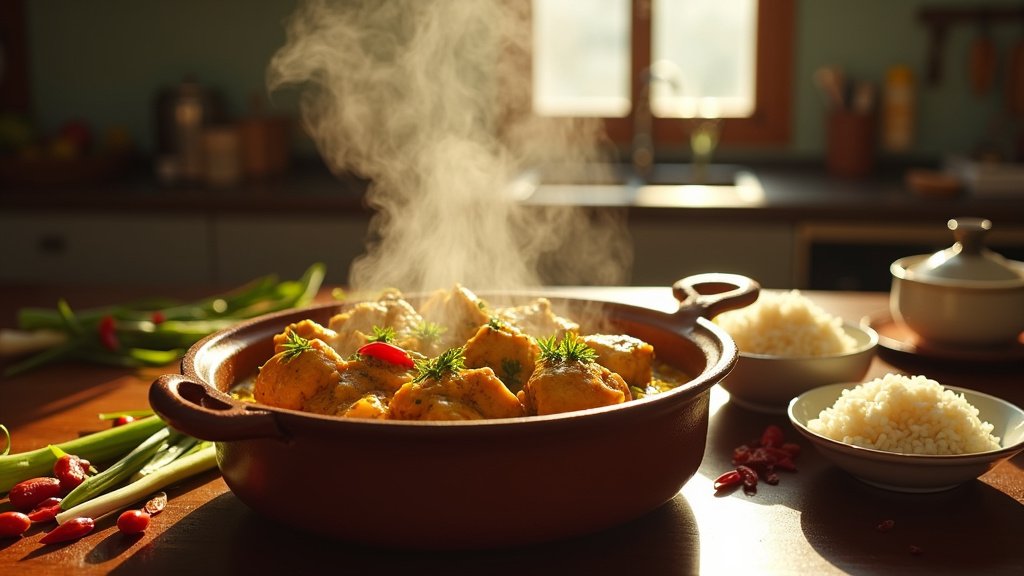
Jamaican curry chicken is more than just a meal; it’s a beloved staple of Caribbean comfort food, steeped in history and bursting with vibrant flavors. This dish, renowned for its rich, aromatic sauce and tender chicken, has become a symbol of Jamaican culinary heritage, a testament to the island’s multicultural influences. While often associated with special occasions and Sunday dinners, modern interpretations and streamlined techniques make this classic dish accessible for any weeknight meal today.
A Culinary Tapestry: The Origins of Jamaican Curry
The story of Jamaican curry chicken is intricately linked to the island’s complex history. The introduction of curry powder to Jamaica dates back to the 17th century, brought by indentured laborers from India following the abolition of slavery. These new influences blended seamlessly with the existing West African culinary traditions and indigenous ingredients, evolving into the distinct Caribbean style curry celebrated today. This fusion is a true reflection of Jamaica’s motto, “Out of Many, One People,” creating a unique flavor profile that sets it apart from other curry traditions.
The Heart of Jamaican Curry: Key Ingredients and Flavors
At the core of authentic Jamaican curry chicken is a robust blend of spices. While commercial Jamaican curry powders are readily available, they typically feature a base of turmeric, coriander, cumin, fenugreek, allspice (pimento), and sometimes mustard and cloves. What distinguishes Jamaican curry powder is its often brighter yellow hue, attributed to a generous amount of turmeric, and the distinct inclusion of allspice.
Beyond the curry powder, fresh aromatics play a crucial role. Garlic, ginger, onions, and scallions form the foundational flavor base. The quintessential Jamaican heat comes from Scotch bonnet peppers, which add a fruity, fiery kick. For those who prefer milder heat, the seeds can be removed, or a less potent pepper can be substituted. Thyme sprigs and allspice berries (pimento) are also frequently added, contributing layers of herbaceous and warm, peppery notes characteristic of Jamaican cuisine.
Embracing Comfort and Ease: Modern Preparations
Jamaican curry chicken is universally regarded as comfort food due to its rich, soul-satisfying nature and its role in family gatherings and celebrations. While traditional methods often involve marinating the chicken for extended periods, sometimes overnight, modern recipes emphasize efficiency without sacrificing flavor.
A key technique that enhances the depth of flavor is “burning the curry” – lightly toasting the curry powder with aromatics in hot oil before adding other ingredients. This process awakens the spices, releasing their full aroma and color. Many recipes also advocate for marinating the chicken for at least 30 minutes, or longer if time permits, to allow the spices to deeply penetrate the meat.
Dark meat cuts, such as chicken thighs and legs, are often preferred for their ability to stay tender and moist during the simmering process, making them ideal for stews like curry chicken. While not always traditional, many contemporary recipes incorporate coconut milk, which adds a luscious creaminess and a subtle sweetness to the sauce, making it even more comforting. The inclusion of root vegetables like potatoes and carrots is also common, adding heartiness and helping to thicken the sauce naturally as they cook.
Serving Suggestions for a Complete Caribbean Experience
Jamaican curry chicken is incredibly versatile and pairs wonderfully with a variety of staple Caribbean accompaniments. Steamed white rice or rice and peas are classic choices that perfectly soak up the rich curry sauce. For an authentic touch, serving with roti, fried plantains, or a fresh green salad can complete the meal.
Whether you’re seeking a taste of the islands or a comforting, easy-to-prepare dish, Jamaican curry chicken offers a delicious journey into Caribbean food today. Its rich history, bold flavors, and adaptable preparation methods ensure its place as a beloved comfort food for generations to come.