
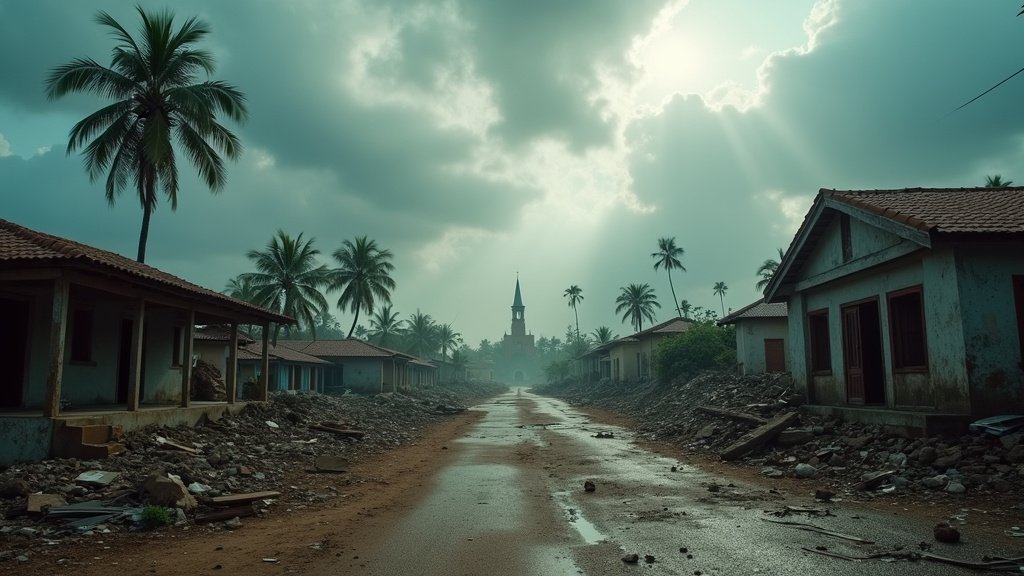
Hurricane Melissa, an extraordinarily powerful and devastating storm, has carved a path of catastrophic destruction across the Caribbean, leaving behind a trail of widespread damage, loss of life, and immense humanitarian need. The Category 5 hurricane, which rapidly intensified into one of the strongest Atlantic storms on record, made landfall in Jamaica on October 28, 2025, bringing with it unprecedented winds and torrential rains.
Melissa’s Unprecedented Fury Unleashed
Forming in the Caribbean Sea on October 21, 2025, Hurricane Melissa underwent extreme rapid intensification, a phenomenon increasingly linked to warming ocean temperatures fueled by climate change. Within 24 hours, its winds surged by approximately 70 mph, reaching Category 4 strength with sustained winds of 140 mph between October 25 and 26. By October 27, Melissa had become a monstrous Category 5 hurricane, packing maximum sustained winds of 185 mph and a minimum central pressure of 892 millibars, tying it for the third-lowest pressure on record for an Atlantic hurricane. Its destructive journey culminated in a record-setting landfall in Jamaica, becoming the strongest hurricane ever to strike the island nation since recordkeeping began.
Catastrophic Impacts Across Multiple Nations
The hurricane’s immense power inflicted severe damage across Jamaica, Hispaniola (Haiti and the Dominican Republic), and eastern Cuba. In Jamaica, the storm’s eyewall brought catastrophic winds, total structural failure in some areas, and widespread power outages affecting at least 75 percent of the island. Heavy rains triggered catastrophic flash flooding and numerous landslides, displacing an estimated 125,000 residents. The storm’s destructive path also included life-threatening storm surge, with inundation reaching up to 9 to 13 feet above ground level in affected coastal areas.
On Hispaniola, both Haiti and the Dominican Republic endured relentless, life-threatening rainfall, leading to overflowing rivers, catastrophic flooding, and dangerous landslides. In Haiti, over 11,900 houses were flooded or damaged, forcing approximately 16,000 people to seek shelter in temporary sites. The storm’s impact on agriculture was severe, destroying crops at a critical time for a population already facing significant food insecurity. The Dominican Republic reported damage to over 750 homes, displacing more than 3,760 people and leaving over half a million without drinking water services. Floodwaters cut off access to at least 48 communities.
Cuba was struck by Melissa on October 29 as a Category 3 hurricane, with sustained winds reaching 120 mph and significant rainfall totals of up to 15 inches in some areas. These conditions caused serious damage to homes and roadways, prompting the evacuation of over 700,000 people.
A Record-Breaking Storm Fueled by Climate Change
Beyond its intensity and widespread devastation, Hurricane Melissa shattered meteorological records. Shortly before making landfall in Jamaica, a NOAA Hurricane Hunter aircraft deployed a dropsonde that recorded an astonishing wind gust of 252 mph, the highest wind speed ever documented by such an instrument, surpassing the previous record set by Typhoon Megi in 2010. Scientists believe that human-caused climate change played a significant role in the storm’s extreme strength and rapid intensification. Exceptionally warm ocean waters in the Caribbean, estimated to be 1.4°C (2.5°F) above average, provided the fuel for Melissa’s explosive growth. Studies suggest these warm conditions made the storm’s intensity 500-900 times more likely due to climate change, increasing its wind speeds and potential for damage.
Humanitarian Response and Ongoing Recovery
Following Melissa’s destructive passage, a significant humanitarian response has been mobilized across the affected nations. Governments, with assistance from UN agencies and non-governmental organizations, implemented extensive storm preparation measures that are credited with helping to lessen the impact and save lives. U.S. President authorized an immediate response, directing the Department of State to mobilize support. Humanitarian coalitions are providing cash assistance, clean water, hygiene kits, and essential supplies to affected populations. However, the scale of destruction means that recovery efforts in Jamaica, Haiti, and eastern Cuba are expected to take years. The economic toll is immense, with initial estimates for Jamaica alone exceeding $9 billion.
A Stark Warning from the 2025 Season
Hurricane Melissa stands as the strongest tropical cyclone worldwide in 2025 and a stark reminder of the escalating threats posed by extreme weather events. It was the fourth major hurricane of an active Atlantic hurricane season that saw numerous powerful storms. As the region grapples with the aftermath, the scientific consensus remains clear: climate change is intensifying hurricanes, making them more dangerous and their impacts more catastrophic. Continued vigilance and preparedness are crucial as the Caribbean navigates the challenges presented by a changing climate, with many regional news outlets highlighting the ongoing recovery and the lessons learned from this devastating regional disaster.