
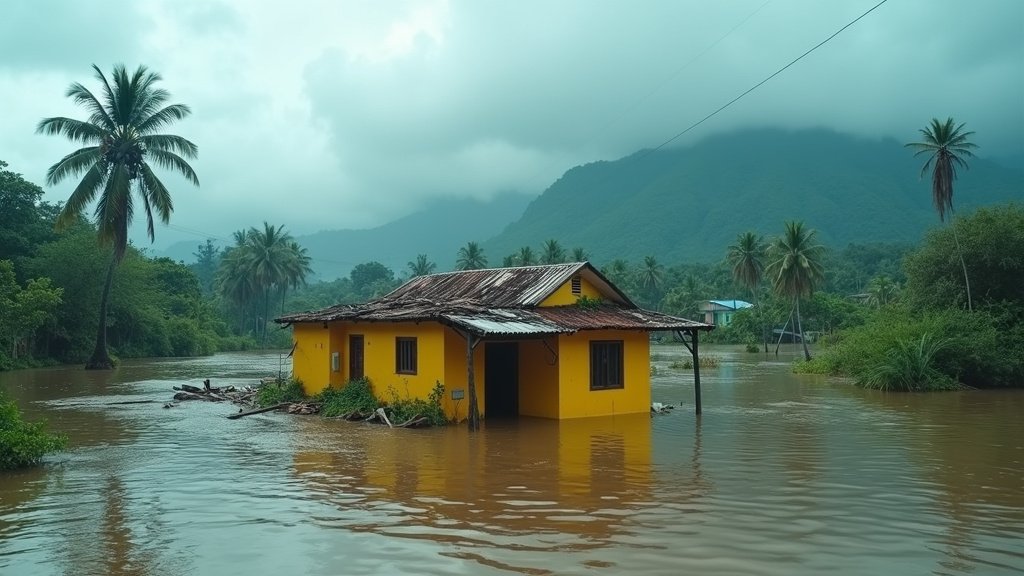
A catastrophic Category 5 Hurricane Melissa inflicted widespread devastation across Jamaica and the wider Caribbean in late October 20205. The storm, one of the most powerful Atlantic hurricanes on record, made landfall on the island nation on October 28, 2025, with sustained winds nearing 300 kilometers per hour (185 mph). This catastrophic event resulted in significant loss of life, massive displacement, and extensive damage to infrastructure, impacting the lifestyle and recovery efforts across the region.
A Storm of Unprecedented Intensity
Hurricane Melissa rapidly intensified from a tropical storm into a formidable Category 5 hurricane in the central Caribbean Sea. Its formation on October 21, 2025, marked it as the thirteenth named storm of the 2025 Atlantic hurricane season. The storm’s ferocity and devastating impact were amplified by its slow movement, which led to prolonged periods of extreme rainfall, storm surge, and destructive winds across affected areas. Forecast models predicted rainfall totals of up to 40 inches in some localities, exacerbating the risk of catastrophic flooding and dangerous landslides, particularly in mountainous regions like Jamaica’s Blue Mountains. The U.S. National Hurricane Center (NHC) issued dire warnings, describing the situation as “extremely dangerous and life-threatening”.
Jamaica Bears the Brunt of Melissa’s Fury
Jamaica experienced the most severe impacts of Hurricane Melissa. The storm made its first landfall near New Hope, Westmoreland, as a Category 5 hurricane, the strongest ever recorded to hit the island nation. The powerful winds and torrential rains demolished or severely damaged over 122,000 dwellings, knocked down power and communication lines, and devastated agricultural lands, a critical component of the island’s economy. Widespread flooding inundated homes, businesses, and even hospitals, while critical infrastructure, including roadways and bridges, was washed away or rendered impassable by landslides.
In response to the escalating threat, Jamaican authorities implemented urgent preparedness measures. Airports, including Norman Manley International Airport (NMIA) in Kingston and Sangster International Airport (SIA) in Montego Bay, were closed, and all seaports were shuttered to protect lives and facilitate evacuation efforts. Thousands of residents were evacuated from flood-prone areas, with many seeking refuge in shelters across the island. Prime Minister Andrew Holness declared Jamaica a “disaster area” on October 28, 2025, highlighting the unprecedented scale of the crisis. As of November 11, 2025, government officials reported 45 confirmed deaths, 15 people missing, and over 30,000 households displaced. Nearly half a million people, particularly in western parishes, remained without power for an extended period.
Regional Devastation Across the Caribbean
Hurricane Melissa’s destructive path extended beyond Jamaica, leaving a trail of ruin across the wider Caribbean. Cuba was struck by Melissa as a major Category 3 hurricane, forcing the evacuation of over 700,000 people. The storm caused significant damage to homes and infrastructure, with widespread flooding and power outages reported. In Haiti, the hurricane exacerbated existing hardships, leading to torrential rains, river flooding, and landslides that displaced thousands and tragically claimed at least 43 lives, including 10 children. The Dominican Republic also experienced overflowing rivers and landslides, prompting evacuations and disrupting essential services. Other affected areas included the Bahamas, Turks and Caicos Islands, and Bermuda, which reported localized flooding and power outages.
The Aftermath and Ongoing Recovery
In the wake of Hurricane Melissa, the scale of the humanitarian crisis became apparent. Millions across the Caribbean were affected, facing urgent needs for food, clean water, shelter, and medical supplies. International and local organizations, including the United Nations, World Food Programme (WFP), and various NGOs, rapidly mobilized to provide assistance. The U.S. government also authorized immediate support, deploying disaster response and urban search-and-rescue teams.
The recovery process for affected nations, especially Jamaica, is expected to be long and arduous. Early estimates suggest economic impacts in Jamaica alone could range between $6 to $7 billion USD, with Prime Minister Holness noting the unprecedented scale of the disaster, surpassing even Hurricane Gilbert in 1988. Efforts are underway to restore essential services, clear debris, and rebuild damaged infrastructure. Organizations like the United Way of Jamaica have initiated a two-phase recovery approach, focusing on immediate relief and long-term restoration of agricultural activity and local economies. Geographic Information System (GIS) technology has also played a crucial role in mapping flood-impact zones and assessing damage, forming part of the international assistance aimed at strengthening Jamaica’s technical capacity. As the Caribbean nations begin the challenging journey toward recovery, the lessons learned from Hurricane Melissa underscore the critical need for continued vigilance, robust disaster preparedness, and strengthened early warning systems in the face of increasingly powerful extreme weather events. This news from the Caribbean highlights the ongoing challenges faced by many nations in adapting to a changing climate.