
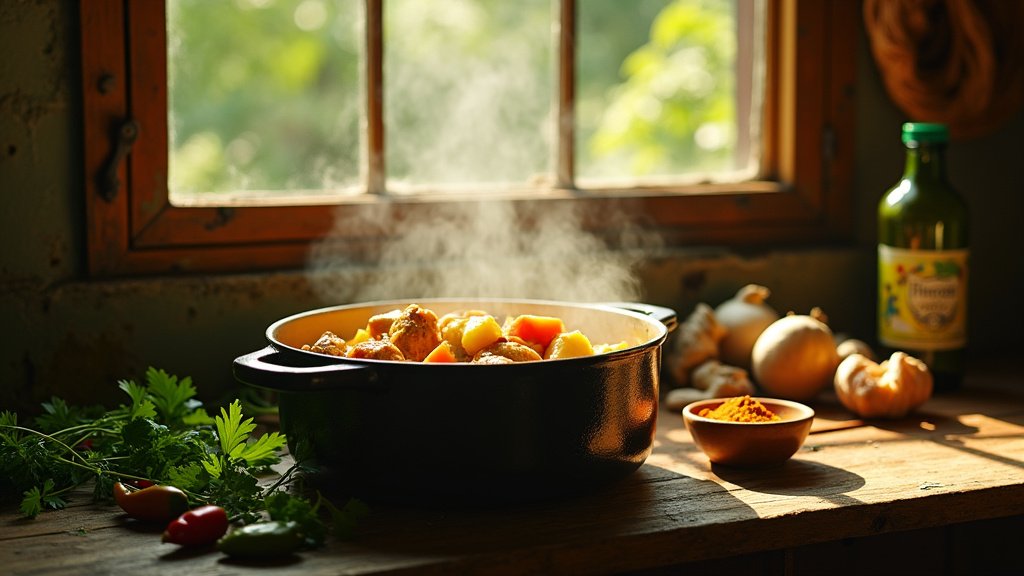
Trinidad Curry Chicken is more than just a meal; it’s a vibrant emblem of the Caribbean’s rich cultural tapestry, a testament to the fusion of global influences that define its unique cuisine. This beloved dish, celebrated across the islands and beyond, offers a complex yet comforting flavor profile that has captivated palates for generations. For food lovers exploring authentic Caribbean recipes today, understanding the soul of Trinidad Curry Chicken reveals a journey through history, tradition, and spice.
The Cultural Roots of Trinidad Curry Chicken
The origins of Trinidad Curry Chicken are deeply intertwined with the history of Indian indentured laborers who arrived in the Caribbean during the 19th century, following the abolition of slavery. These communities brought with them their rich culinary heritage, including the art of curry. Over time, these Indian flavors melded with the existing African, Spanish, French, and indigenous influences of Trinidad and Tobago. This cross-cultural exchange didn’t just adapt Indian dishes; it transformed them, creating a distinct Trinidadian identity for curry. Today, this dish stands as a symbol of national pride and culinary diversity, a staple found in countless homes and a highlight of Caribbean food traditions.
The Essential Spice Blend: Curry Powder and Green Seasoning
What truly sets Trinidad Curry Chicken apart is its distinctive blend of spices and the pivotal role of ‘green seasoning.’ While ‘curry’ itself is not a single spice but a complex mix, Trinidadian versions often feature a robust curry powder blend rich in turmeric, cumin, coriander, and fenugreek, providing a warm, earthy base with a signature golden hue.
Complementing the dry spices is the indispensable green seasoning. This vibrant, aromatic paste is the secret weapon of Trinidadian kitchens, a flavor bomb made from a harmonious blend of fresh herbs and aromatics. Typically, it comprises culantro (shado beni), thyme, garlic, green onions (scallions), cilantro, parsley, and often a potent kick from scotch bonnet or habanero peppers, all bound together with lime juice and oil. This fresh concoction is used both to marinate the chicken and as a foundational flavor builder in the cooking process.
Mastering the Art of Flavor: Preparation and Technique
Crafting an authentic Trinidad Curry Chicken involves several key techniques that build layers of flavor. The process often begins with marinating the chicken – usually bone-in pieces like thighs, legs, or drumsticks, prized for their ability to stay moist and tender – in a mixture of green seasoning, curry powder, salt, and other spices. This marination period, ideally lasting several hours or even overnight, allows the flavors to deeply penetrate the meat.
A distinctive step in Trinidadian curry preparation is the ‘blooming’ or ‘toasting’ of the curry powder. This involves cooking the curry powder, often mixed with a little water to form a paste, in hot oil until it becomes fragrant, grainy, and slightly darker. This crucial technique intensks the spice’s oils, unlocking a more profound and complex flavor. Following this, the marinated chicken is typically browned in the pot, searing the exterior to lock in juices and develop rich, caramelized notes. The dish is then simmered, often with potatoes and carrots added for a heartier meal, until the chicken is fork-tender and the sauce has thickened to the desired consistency.
The Spice of Life: Heat and Aromatics
No Trinidad Curry Chicken is complete without the signature heat and aromatic depth. Fresh ginger and garlic are fundamental, providing pungent, warming notes that cut through the richness of the curry. The star of the heat department is undoubtedly the scotch bonnet pepper. While some recipes call for whole peppers to infuse flavor without overwhelming spice, others finely chop them, allowing for adjustable heat levels. Using the pepper seeds can significantly increase the heat, so caution is advised for those sensitive to spice.
Serving Traditions: A Taste of the Islands
In Trinidad, curry chicken is a versatile dish, traditionally served alongside fluffy roti – be it sada roti, dhalpuri, or paratha – perfect for scooping up every last drop of the flavorful sauce. It’s also commonly paired with rice and peas, or served with other Caribbean staples like callaloo or stewed beans, creating a complete and satisfying meal that embodies the spirit of Caribbean food culture.
Trinidad Curry Chicken remains a beloved classic, embodying the island’s history, its multicultural influences, and its vibrant culinary scene. These traditional recipes, passed down through generations, offer a taste of home and a connection to a rich heritage. Exploring this iconic dish is an invitation to savor the authentic flavors of the Caribbean, a culinary adventure that continues to delight food enthusiasts today.