
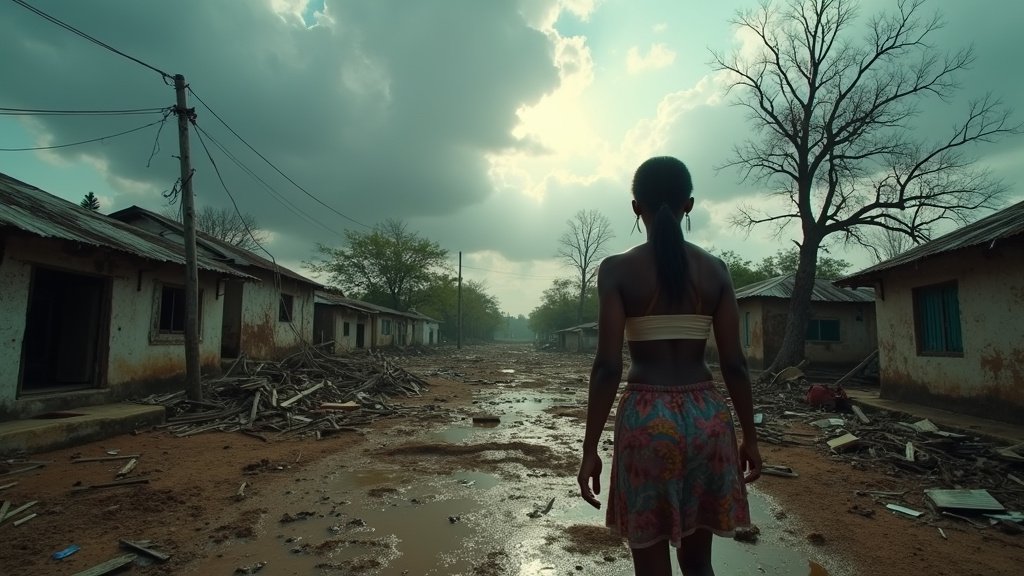
Kingston, Jamaica – November 1, 2025 – Jamaica is confronting the devastating aftermath of Hurricane Melissa, a catastrophic Category 5 storm that made landfall on October 28, leaving an indelible mark of destruction across the island. As of November 1, the nation is tallying an staggering economic toll estimated at US$8.8 billion, representing approximately 41% of its 2024 GDP, and facing a profound humanitarian crisis. The storm, one of the strongest Atlantic hurricanes on record, has displaced tens of thousands, crippled essential services, and plunged communities into despair.
Unprecedented Devastation Engulfs the Island
Hurricane Melissa, packing sustained winds of up to 185 miles per hour, unleashed a relentless torrent of rain, gale-force winds, and life-threatening storm surges upon Jamaica. The impact has been catastrophic, with preliminary assessments revealing that residential buildings bore the brunt of the damage, accounting for 41% of the total estimated losses. Infrastructure sustained 33% of the damage, non-residential buildings 21%, and agriculture suffered 5% in losses. In hard-hit western parishes, including St. Elizabeth, Westmoreland, and St. James, the damage is immense, with these three parishes alone accounting for US$5.5 billion in destruction. Reports from St. Elizabeth describe entire communities obliterated, with up to 90% of buildings in some areas impacted. The sheer volume of debris, estimated at over 4.8 million tonnes, impedes immediate recovery efforts, blocking roads, access to essential services, and livelihoods.
A Deepening Humanitarian Crisis
In the immediate wake of the storm, access to basic necessities has become a critical concern. Residents in severely affected areas, particularly in St. Elizabeth, are reportedly subsisting on fallen fruits and coconut water due to widespread food scarcity [Initial Context]. The United Nations reported that 36,000 people require urgent food assistance, and over 120,000 households are in dire need of urgent repairs to their homes. Over 530,000 people were left without power across the island, with the National Water Commission’s system significantly offline, exacerbating the lack of clean water. The storm’s devastation has led to the displacement of over 30,000 households, with an estimated 2,487 individuals still sheltered in collective emergency centres across the island.
Critical Services Under Strain
Jamaica’s vital public services are grappling with the storm’s brutal impact. Hospitals have suffered significant damage, with Falmouth Public General Hospital facing severe water shortages, prompting the use of seawater for cleaning. Reports indicate that the storm ripped roofs off numerous structures, severely damaging infrastructure, including roads and bridges, which have hampered relief efforts and communication networks. The Jamaica Defence Force (JDF) has been actively involved, calling out the National Reserve to support national disaster preparedness and humanitarian assistance efforts, including search and rescue, logistics, and security.
National and International Response Mobilized
In response to the unfolding disaster, a multi-faceted national and international relief effort is underway. The Jamaica Defence Force is establishing operational hubs in affected parishes to streamline aid distribution, working in conjunction with the Office of Disaster Preparedness and Emergency Management (ODPEM). Aid organizations, including Project HOPE, All Hands & Hearts, Samaritan’s Purse, and the International Organization for Migration (IOM) in partnership with Airbnb.org, are on the ground distributing food, essential supplies, medical aid, and setting up temporary shelter for displaced families. The Royal Navy’s HMS Trent has completed a six-day operation focused on repairing critical facilities like Falmouth Hospital and school infrastructure. The Jamaican diaspora, particularly in the United States, has also mobilized, with groups like UNI Health Care Inc and Global Humanity Network Inc leading relief supply distribution efforts. Financial contributions are being channeled through the government’s official disaster relief platform to support the massive rebuilding task ahead.
The Road to Resilience: Lessons from the Storm
Hurricane Melissa has underscored Jamaica’s vulnerability to intensifying climate change impacts, a trend impacting the entire Caribbean region. The storm’s unprecedented intensity has highlighted the need for not just emergency response, but a long-term strategy for building back better and enhancing resilience against future extreme weather events. Experts and officials are emphasizing that recovery must involve modernizing infrastructure and adopting more sustainable solutions to withstand the growing threats posed by climate change. The devastation serves as a stark reminder of the interconnectedness of climate justice and the need for robust disaster risk reduction efforts globally.
Conclusion
The immediate days and weeks following Hurricane Melissa present an immense challenge for Jamaica. While relief efforts are gaining momentum, the scale of destruction demands sustained attention and resources. The spirit of resilience among the Jamaican people is evident, but the path to full recovery will be long and arduous. The news from November 1, 2025, paints a picture of a nation united in grief and determination, working to rebuild lives and communities shattered by one of the most powerful storms ever to impact the Caribbean.