
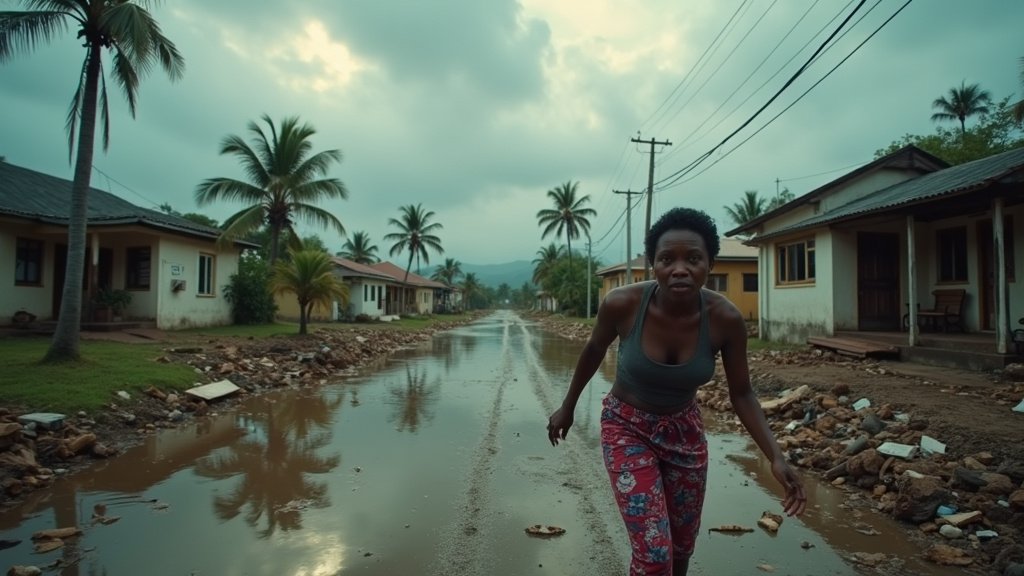
Hurricane Melissa Unleashes Unprecedented Destruction Across Jamaica
Kingston, Jamaica – November 5, 2025 – Jamaica is grappling with the catastrophic aftermath of Hurricane Melissa, a monstrous Category 5 storm that slammed into the island nation on October 28, leaving a trail of widespread devastation and a mounting human toll. The storm, characterized by ferocious winds and torrential rains, has inflicted damages estimated in the billions of U.S. dollars, significantly impacting the nation’s economy and the lives of its citizens. As search and rescue operations continue and the full extent of the destruction becomes clearer, the Caribbean island is mobilizing a comprehensive recovery effort, underscoring a deep sense of community and resilience.
A Storm of Historic Proportions
Hurricane Melissa made landfall near New Hope, Westmoreland, unleashing its fury with sustained winds of up to 185 miles per hour. The storm carved a path of destruction primarily across Jamaica’s southern and western regions, parching neighborhoods, crippling infrastructure, and leaving entire communities cut off. The impact was so severe that Prime Minister Dr. Andrew Holness declared the entire island a disaster area. Experts have described Melissa as the strongest hurricane ever to hit Jamaica’s shores, a stark reminder of the escalating threat posed by climate change to vulnerable island nations.
Economic Devastation: Billions in Losses
The economic fallout from Hurricane Melissa is staggering. Initial government estimates placed the preliminary damage between $6 to $7 billion USD, representing approximately 28-32% of Jamaica’s GDP for the 2024-2025 fiscal year. However, updated assessments from international bodies suggest the economic toll could be far greater. The World Bank and the Inter-American Development Bank (IDB) have estimated physical damage at $8.8 billion USD, equivalent to 41% of Jamaica’s 2024 GDP. The Caribbean Council has warned that overall economic losses might exceed $20 billion USD.
These figures reflect extensive damage across key sectors. Homes bore the brunt of the destruction, accounting for 41% of the total damage, followed by infrastructure at 33%, non-residential buildings at 21%, and agriculture at 5%. Small and medium-sized enterprises (SMEs) in retail, manufacturing, services, and the creative industries have suffered significant losses, necessitating urgent liquidity and recovery support to rebuild inventories and restart operations. The agricultural sector, vital to many communities, faces long-term economic impacts despite lower direct physical losses.
The Human Cost and Ongoing Recovery Efforts
Beyond the economic figures, the human cost of Hurricane Melissa is profound. As of November 11, the confirmed death toll in Jamaica had risen to 45, with 15 individuals still reported missing. St. Elizabeth and Westmoreland, the parishes that bore the direct landfall, recorded the highest number of fatalities. Authorities are still working to reach two towns that remain cut off, with the death toll potentially climbing. Across the wider Caribbean, the storm claimed at least 75 lives, including 43 in Haiti.
An estimated 1.6 million Jamaicans have been affected by the storm, with tens of thousands displaced and seeking refuge in emergency shelters. The government is facing immense challenges in restoring essential services like power, water, and communications to hundreds of communities. The Ministry of Health and Wellness has issued warnings about waterborne diseases and appealed for blood donations to support trauma care.
Mobilizing for a Resilient Future
In response to the devastating impact, the Jamaican government has initiated a multi-faceted recovery plan. Prime Minister Holness announced dedicated housing support for affected Jamaicans and has committed to rebuilding infrastructure to withstand future climate events. To streamline relief efforts, a National Registry of Volunteers has been launched on the Support Jamaica portal (supportjamaica.gov.jm). This initiative aims to organize and deploy the skills and goodwill of individuals eager to help with food distribution, shelter operations, medical support, and cleanup.
Financial relief measures are also being implemented, including the suspension of import duties and General Consumption Tax (GCT) on specific relief items. The government is also exploring options for international financial support and has activated emergency provisions to temporarily suspend fiscal rules to manage recovery costs. The Caribbean Climate-Smart Accelerator, represented by Cheryll Senhouse, is advocating for collective action and innovative financing to strengthen regional resilience against climate-related disasters, a theme echoed by regional leaders at recent conferences.
Stories of Hope Amidst the Rubble
The recovery process is a testament to the strength of the Jamaican community. Amidst the ruins, stories of neighbors helping neighbors, volunteers stepping up, and organizations coordinating aid are emerging. The Ministry of Tourism is working towards a full sector recovery by mid-December, emphasizing a unified approach involving government, businesses, and the community to rebuild stronger.
Sporting Momentum Amidst Recovery
In a contrasting note, as the nation focuses on rebuilding, the West Indies cricket team is preparing for their tour of New Zealand, which commenced on November 5, 2025, with a series of T20s, ODIs, and Test matches. The team aims to build momentum ahead of this challenging series.
The road to recovery for Jamaica will be long and arduous, but the nation’s determination to rebuild and emerge stronger from the devastation of Hurricane Melissa is palpable.