
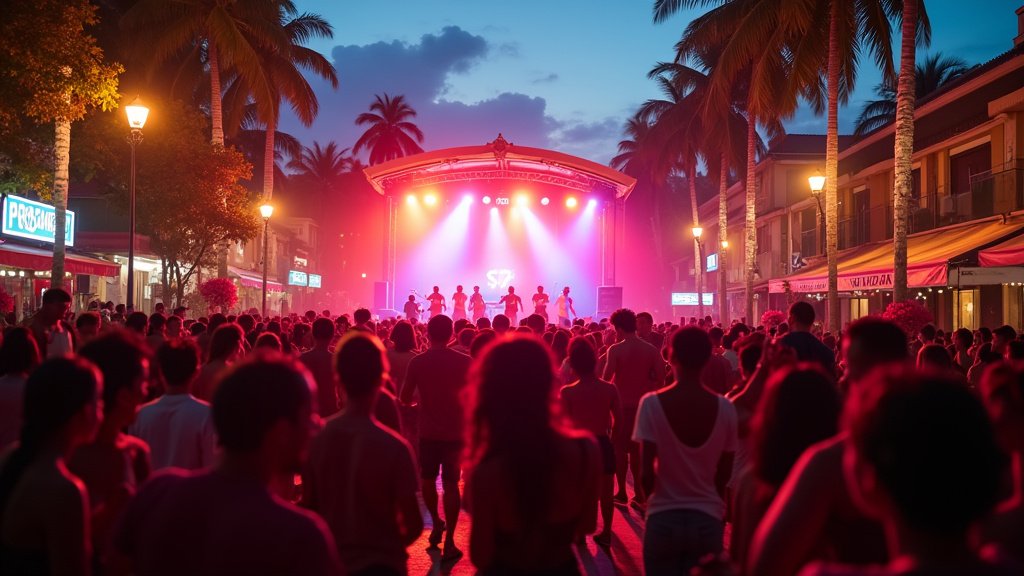
Once confined to sun-drenched islands, the infectious beats and vibrant melodies of Caribbean music have transcended geographical boundaries to become a dominant force in the global music landscape. This cultural takeover, fueled by digital connectivity and an undeniable energy, is reshaping pop music, dance floors, and the very fabric of popular culture worldwide.
The Deep Roots of a Global Sound
The rich tapestry of Caribbean music is woven from a complex history of colonization, slavery, and migration, blending African rhythms, European melodies, and indigenous influences. From the storytelling prowess of Trinidadian Calypso and the soulful, horn-driven brass of Cuban salsa, to the distinctive offbeat pulse of Jamaican reggae, each genre carries a unique cultural fingerprint. Reggae, in particular, achieved early international acclaim in the 1970s, largely thanks to global icons like Bob Marley, whose music became a symbol of resistance and unity worldwide.
Dancehall, emerging from Jamaica in the late 1970s as a more stripped-down, rhythm-focused evolution of reggae, developed its own distinct sound characterized by Patois lyrics and reusable instrumental tracks known as “riddims”. Its energetic and often explicit lyrical content, coupled with rapid, danceable beats, allowed it to spread through diaspora communities and gain traction internationally by the 1990s. Similarly, Soca music, born in Trinidad and Tobago in the early 1970s as a fusion of Calypso with East Indian rhythms, embodies the spirit of celebration, evolving into an energetic genre integral to Carnival traditions. Reggaeton, with its roots in Panamanian reggae en español and its evolution in Puerto Rico, merged Jamaican dancehall rhythms (notably the “Dembow” riddim) with hip-hop and Latin influences, creating a sound that would eventually dominate global charts.
The Digital Wave Amplifies Reach
The advent of the digital age and the proliferation of online platforms have been instrumental in propelling Caribbean music from regional popularity to global phenomenon status. Streaming services like Spotify, Apple Music, and YouTube have democratized music distribution, making diverse genres instantly accessible to audiences worldwide. Social media platforms, especially TikTok and Instagram, have become powerful engines for viral dissemination. Rhythms, dance challenges, and snippets of songs can capture global attention overnight, turning local sounds into international hits. This new media landscape has also transformed how music news and trends spread, creating a constant buzz around these evolving sounds.
Genres Dominating the Global Stage
Dancehall’s influence is undeniable, with its rhythms heavily sampled and integrated into mainstream pop, R&B, EDM, and hip-hop. Artists like Sean Paul, Beenie Man, and Shaggy were early pioneers in bringing dancehall to international charts in the 2000s, with contemporary stars continuing to push its boundaries. The genre’s adaptability has allowed it to fuse with other styles, keeping it relevant and vibrant.
Reggaeton has arguably seen the most explosive global ascent. Hits like Daddy Yankee’s “Gasolina” (2004) and the monumental “Despacito” by Luis Fonsi and Daddy Yankee (2017) shattered language barriers, topping charts in non-Spanish-speaking markets and demonstrating the genre’s commercial viability. Today, artists like Bad Bunny and J Balvin are global superstars, regularly topping streaming charts and proving reggaeton’s commercial and cultural dominance.
Soca’s infectious energy and dance-centric nature have also found a significant global following. While deeply rooted in Trinidadian Carnival, its influence has spread through diaspora communities and collaborations with international artists. Figures like Machel Montano and Bunji Garlin have been pivotal in pushing soca’s boundaries, incorporating elements of reggae, dancehall, hip-hop, and EDM, leading to crossover success and international recognition.
Furthermore, the rise of Afrobeats from West Africa, a genre that shares kinship and often fuses with Caribbean sounds, has further amplified the presence of African and Caribbean diasporic music on the global stage. This cultural exchange fosters new sounds and reinforces a shared artistic heritage.
Collaborations and Cultural Resonance
High-profile collaborations have been a key strategy in amplifying Caribbean music’s reach. Artists such as Rihanna, Drake, Major Lazer, and Beyoncé have incorporated dancehall, soca, and reggae elements into their massive global hits, exposing millions of new listeners to these rhythms. These cross-genre partnerships not only introduce Caribbean sounds to mainstream audiences but also foster a rich cultural exchange, blurring lines and creating exciting fusion styles.
The enduring appeal of Caribbean music lies in its inherent joy, infectious energy, community focus, and its powerful ability to make people move. In a world often grappling with stress and division, these rhythms offer an antidote—a call to connection, celebration, and movement [Initial Context]. Beyond its cultural impact, the music industry is a significant economic driver for Caribbean nations, contributing to GDP, promoting tourism, and creating employment opportunities.
The Beat Goes On
From the foundational rhythms of reggae and dancehall to the global reign of reggaeton and the vibrant pulse of soca, Caribbean music continues its unstoppable rise. Fueled by digital innovation and a vibrant artistic community, these island sounds are no longer regional treasures but global anthems. As artists continue to innovate and collaborate, the influence of Caribbean rhythms on the world stage shows no sign of waning, promising a future rich with diverse, energetic, and universally resonant music.