
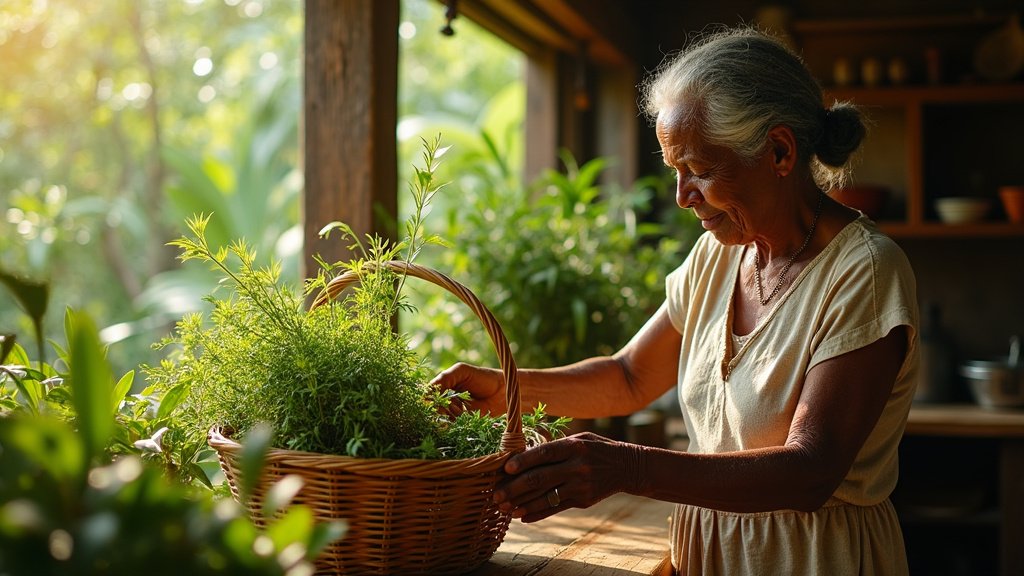
The vibrant Caribbean islands, a melting pot of cultures and traditions, are home to a profound and enduring legacy of healing practices that continue to shape the lifestyle and well-being of its people. Far from being relics of the past, these ancient methods, deeply interwoven with the region’s rich heritage, are experiencing a powerful resurgence, blending ancestral wisdom with contemporary approaches and finding new life through community initiatives and a global awakening to holistic wellness. This evolving narrative is vital news for anyone interested in the intersection of culture, health, and tradition.
A Tapestry of Ancestral Wisdom
The healing traditions of the Caribbean are not monolithic but rather a complex and beautiful tapestry woven from centuries of cultural exchange. At its core lies a fusion of indigenous knowledge from the Taíno and Carib peoples, the profound herbalism and spiritual practices brought by enslaved Africans from West Africa, and the folk remedies introduced by European settlers and indentured laborers from India and Asia. This unique blend reflects the region’s history of migration, resilience, and adaptation. During the brutal eras of colonialism and slavery, when access to conventional medicine was often denied or inadequate, these traditional practices became crucial lifelines, fostering community solidarity and physical survival. The knowledge of medicinal plants and spiritual healing was passed down through generations, often in secret, becoming a vital element of cultural identity.
The Herbalist’s Legacy: Bush Medicine in Practice
Central to Caribbean traditional healing is the practice known colloquially as “bush medicine,” which leverages the region’s exceptional biodiversity. The Caribbean is recognized as a global biodiversity hotspot, boasting over 11,000 plant species, many of which possess potent medicinal properties. Healers, often referred to as “bush doctors” or “granny healers,” possess an encyclopedic knowledge of these flora, using them to treat a vast array of ailments.
Commonly used herbs include cerasee, prized for its blood-cleansing properties; fever grass (lemongrass), used for fevers and stomach issues; soursop, known for its calming effects and potential anti-cancer properties; and neem, revered for its anti-inflammatory and antibacterial qualities. Remedies are prepared in diverse ways, from steeping leaves for teas and “bush baths” to creating poultices, tinctures, infused oils, and even herbal wines. Plants like aloe vera, known as the “miracle plant,” and sea moss, a nutrient-rich seaweed, also play significant roles in daily wellness routines. This deep connection to plant medicine underscores a holistic approach that views nature as an integral part of the healing process.
Sacred Rituals and Spiritual Connections
Beyond herbal remedies, Caribbean healing traditions are profoundly spiritual, often blending religious beliefs with physical healing practices. Ritual cleansing, spiritual baths, and ceremonies are common, designed to restore balance, clear negative energies, and connect individuals with their ancestors, nature, and the divine. Prominent spiritual systems that incorporate healing include Santería (Regla de Ocha), Haitian Vodou, Espiritismo, Obeah, Shango, and Rastafari.
These practices often involve drumming, chanting, storytelling, and symbolic rituals, creating immersive experiences that engage the mind, body, and spirit. In Santería, for instance, practitioners venerate Orisha (spirits often equated with Catholic saints) through altars and ceremonies, believing they possess a supernatural force called aché that can be manipulated for healing. Similarly, Vodou ceremonies and rituals are designed to appease spirits (Loas) and invoke their healing powers. These spiritual dimensions are not mere adjuncts to physical healing but are considered integral to overall well-being and resilience, particularly in the face of historical traumas like slavery and colonialism.
Preserving Heritage for the Future
Despite historical suppression and the increasing dominance of Western medicine, Caribbean traditional healing knowledge has endured, largely through oral tradition and community-based learning. Elders and traditional healers have played a critical role in passing down this invaluable wisdom from generation to generation. Today, there is a concerted effort to preserve and revitalize these practices for future generations.
Digital platforms, including blogs, podcasts, and archives, are increasingly used to record personal memories and oral histories of traditional wellness practices. Community projects, such as local tours and hands-on workshops, are actively engaging younger people and visitors in heritage preservation. Institutions are also working to document and validate traditional knowledge, sometimes through scientific research, to bridge the gap between ancient wisdom and modern understanding. The TRAMIL (Program of Applied Research to Popular Medicine in the Caribbean) initiative, for example, has been documenting popular plant use for decades.
The Enduring Lifestyle and Global Influence
The integration of traditional healing practices is not confined to formal settings; it is an intrinsic part of the Caribbean lifestyle. The concept of “island time,” a philosophy of intentional living and presence, aligns with the holistic, unhurried pace often associated with traditional healing. This deep connection to nature, community, and well-being is increasingly influencing global wellness trends. Eco-retreats, forest bathing, and the embrace of herbal infusions are gaining popularity worldwide, drawing inspiration from the Caribbean’s nature-centric approach to health.
Wellness tourism is booming, with resorts and spas across the islands incorporating local traditions, natural ingredients, and holistic therapies into their offerings. Practices like sound healing, mindful movement, and culturally rooted spa treatments are becoming staples. While challenges such as the loss of indigenous knowledge, negative perceptions, and the need for greater scientific validation persist, the growing recognition and appreciation of these time-tested methods offer a bright future. The resilience and adaptability of Caribbean healing traditions ensure their continued relevance, offering a unique path to health and cultural preservation in the 21st century.