
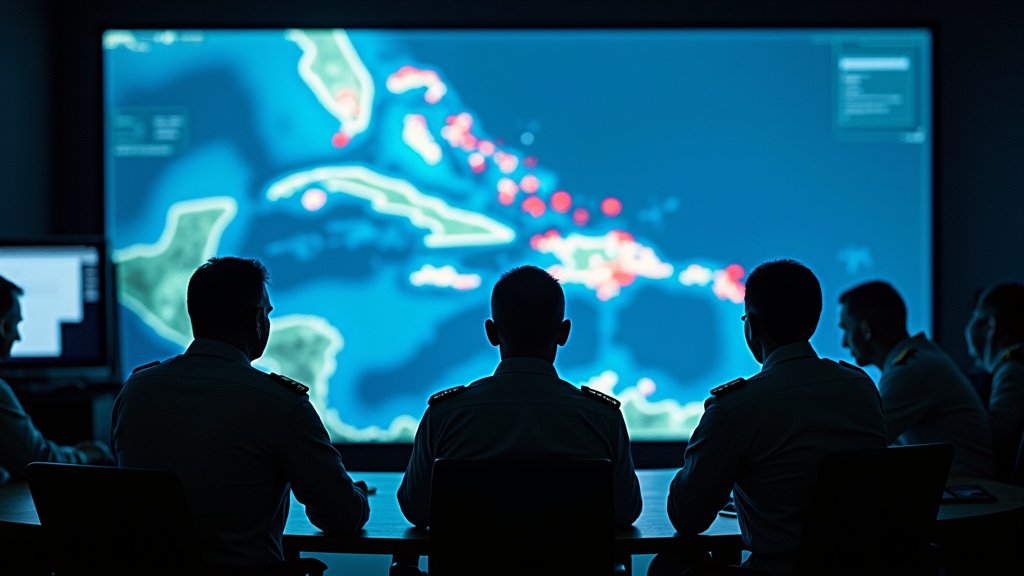
US Military Intensifies Caribbean Counter-Narcotics Drive
Senior United States military officials are holding vital talks with Caribbean leaders. The focus is on combating illicit drug trafficking. This critical news underscores heightened regional security concerns today. The US military is significantly increasing its presence. Furthermore, it is stepping up operations against drug cartels.
High-Level Engagements Across the Region
Defense Secretary Pete Hegseth is leading key discussions. He met with Dominican Republic President Luis Abinader. This meeting occurred in Santo Domingo. They aimed to strengthen defense ties. Additionally, they reaffirmed US commitment. Gen. Dan Caine also held important talks. He is the Chairman of the Joint Chiefs of Staff. General Caine met Trinidad and Tobago’s Prime Minister. Kamla Persad-Bissessar participated in these discussions. Their talks covered regional threats. Illicit narcotics were a primary topic. Arms and human trafficking were also discussed. Transnational criminal organizations were a concern.
US Operations Surge in the Caribbean
The United States has launched a major military buildup. This is its largest presence in the region in decades. Approximately 15,000 US personnel are now deployed. Naval assets form a significant part of this effort. Warships like the USS Gerald R. Ford are active. The USS Iwo Jima and USS Stockdale are also patrolling. These deployments support Operation Southern Spear. This operation began in November 2025. Its goal is to neutralize “narco-terrorists.” The US military has conducted numerous strikes. These targeted alleged drug-smuggling boats. At least 21 strikes occurred since September 2025. These actions have resulted in many fatalities. Over 80 people have reportedly died. Such operations aim to disrupt trafficking routes. These routes are vital for drugs from South America.
Dominican Republic Bolsters Cooperation
A notable development is enhanced cooperation with the Dominican Republic. The nation granted the US access to restricted areas. This includes San Isidro Air Base. Las Americas International Airport is also involved. These facilities will support logistical tasks. Aircraft will be refueled there. Equipment and personnel transport will occur. President Abinader called the agreement “technical, limited, and temporary.” He stressed it combats the drug threat to his nation. This partnership builds on existing agreements. It aims to expand air and maritime surveillance. This is a model for other regional efforts.
Regional Impact and International Concerns
The intensified US military posture has raised tensions. Some view these actions as aggressive. Critics label the boat strikes as extrajudicial. The United Nations called them “crimes against humanity.” Other Caribbean governments urge peace. They advocate for the region to remain a Zone of Peace. The US has designated Venezuela’s Cartel de los Soles as a terrorist group. This action provides new options against the Maduro regime. The US also offers a large reward for Maduro’s capture. He faces drug trafficking charges in the US. Venezuela has mobilized its militia force. It vows to repel potential aggression. The US government maintains its actions are lawful. They are part of a strategy to safeguard hemispheric security. However, the deployment of major assets raises concerns. It fuels speculation about broader military objectives.
Looking Ahead
Top US military leaders continue engagement with Caribbean partners. Discussions focus on shared threats. They seek to deepen collaboration. The US vows to work closely with nations. The goal is to address common dangers. This regional security news highlights an ongoing effort. The fight against illicit trafficking continues today. Both sides emphasize their commitment to stability. The path forward involves persistent cooperation. This remains crucial for the Caribbean’s future.