
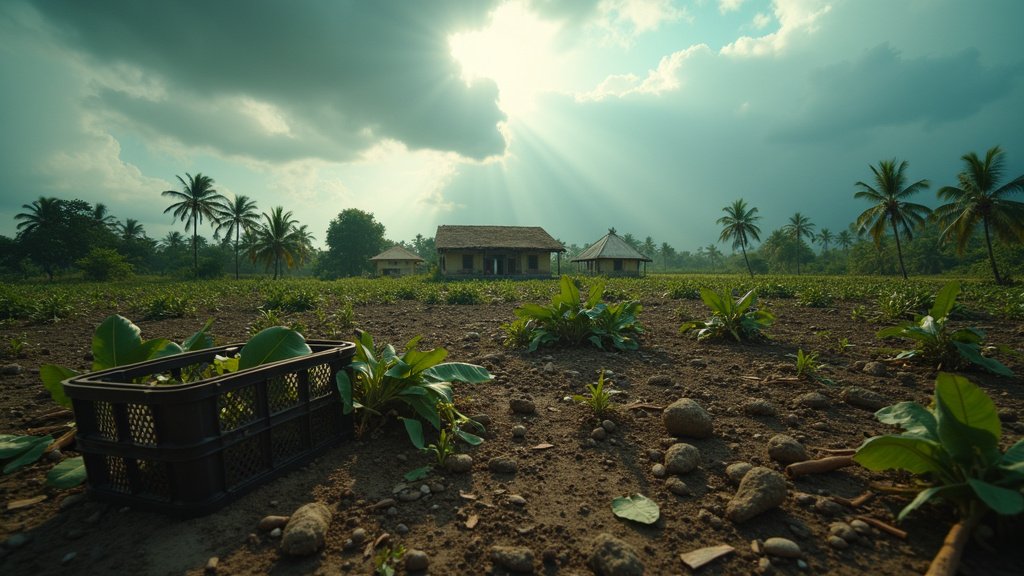
Hurricane Melissa Cripples Jamaican Agriculture
Jamaica faces a critical food shortage. Hurricane Melissa caused massive damage. The storm struck Jamaica on October 28, 2025. It was a Category 5 hurricane. Its winds exceeded 260 kilometers per hour. The hurricane hit the island’s south-western coast hard. This event marks a new challenge for the caribbean nation. News reports confirm extensive agricultural ruin.
Billions in Losses Mount
Preliminary assessments reveal staggering losses. The agriculture sector lost J$29.5 billion. Some estimates suggest total damage could exceed J$50 billion. More than 70,000 farmers are affected. Over 41,390 hectares of farmland are damaged. This is a devastating blow to livelihoods. Many farmers lost their entire harvests. The nation’s food security is now at risk.
Crops and Livestock Devastated
Domestic crops suffered widespread destruction. Vegetable lines, including tomatoes, lettuce, cabbage, and carrots, were lost. Banana and plantain crops also saw immense damage. Their losses are estimated at J$2.9 billion. Tuber crops like yams and cassava faced devastation. Yam farmers lost nearly 70 percent of their crops. Fruit trees across 1,870 hectares were damaged. Coffee production saw a 40 percent tree loss. Vine crops like melons and cantaloupes were also hit hard. The poultry sector experienced massive losses. Over 1.25 million animals perished. This includes layers, broilers, pigs, cattle, and small ruminants. The fisheries sector also reported significant damage. Bee colonies were lost, impacting pollination. These losses affect Jamaica’s ability to feed itself.
Immediate Food Security Concerns
This agricultural disaster poses serious threats. Food shortages are expected in the coming months. Prices for essential food items will likely rise. This impacts household budgets severely. The timing is critical, as the festive season approaches. Jamaica already imports a significant amount of food. This hurricane will increase that reliance. The disruption threatens the stability of the food supply chain. Ensuring affordable food is now a top priority. This news affects every resident today.
Government Acts to Stabilize Supply
Jamaica’s Ministry of Agriculture, Fisheries and Mining is responding. Minister Floyd Green announced immediate actions. The government will secure temporary food imports. This measure aims to stabilize supply. It also seeks to maintain affordable prices. Selected fruits and vegetables will be sourced externally. Imports will focus on items like tomatoes, lettuce, cabbage, sweet peppers, and papaya. These decisions are guided by dietary needs. They consider stock levels and anticipated shortfalls. A recovery program is also underway. It supports replanting efforts and land preparation. This initiative is part of a larger rebuilding strategy. The nation must rebuild its productive capacity. Support for farmers is crucial for recovery.
Looking Ahead: Resilience and Imports
Hurricane Melissa highlights climate vulnerability. Small Island Developing States like Jamaica are at high risk. Strengthening resilience is essential. The recovery process will be long and challenging. Farmers and fishers are known for their resilience. They are already working to rebound. The government pledges support for their efforts. This event also underscores the importance of diversified food sources. For now, imports offer a necessary solution. They will help bridge the gap. The agricultural sector aims to recover. The nation works towards a more secure food future. While immediate needs focus on imports, long-term solutions will involve rebuilding and adaptation. This news story highlights the ongoing challenges in the caribbean. Finding new recipes might depend on available imported ingredients for a while. The focus remains on recovery and rebuilding.