
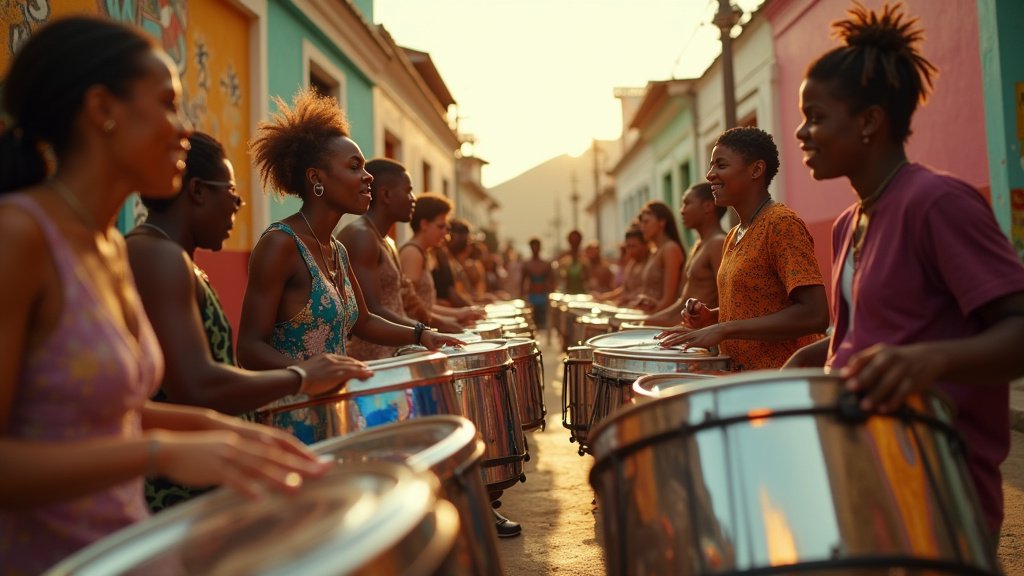
The steelpan instrument has a vibrant story. It originates from Trinidad and Tobago. This iconic creation is now experiencing a remarkable comeback. A new generation is embracing its unique sound. The instrument is making waves across the Caribbean and beyond.
A Rich Heritage
The steelpan’s history began in the 1930s. It emerged from the working class in Trinidad and Tobago. Discarded oil drums became its foundation. This instrument was born from Carnival resistance. It quickly became a symbol of cultural identity. In 1992, it was officially declared Trinidad and Tobago’s national instrument. This status was reconfirmed by Parliament in July 2024. The United Nations also recognized August 11th as World Steelpan Day in 2023. This global recognition amplifies its cultural importance.
A Sound Reimagined
Traditionally, the steelpan’s sound might have appealed to older audiences. That perception is rapidly changing. Today, the instrument is seen as “sexy again.” Young pannists are exploring new musical horizons. They adapt diverse genres like pop and reggae to the steelpan. This adaptability expands its appeal. It shows the instrument’s incredible versatility. Its bright, melodious chime can capture many musical styles. This evolution is crucial to its growing fanbase.
Modern Accessibility and Affordability
Technology has significantly impacted the steelpan. New manufacturing methods make it more accessible. Manufacturers now use power tools and advanced techniques. A steelpan can be made in a single shift. Previously, this process took over a month. Companies like Panland use modern apps and tools. This speeds up production significantly. The instruments also become more affordable. This lowers barriers for aspiring musicians. Powder coating also adds durability. It protects the instrument better than traditional chrome. This makes it more practical for everyday use.
Education Fuels the Flame
Schools across Trinidad and Tobago are integrating the steelpan. It is becoming a staple in music curricula. This educational push is vital for its survival. Youth orchestras and programs are thriving. Students like 17-year-old Jael Grant learned from a young age. She describes playing the pan as an “out-of-body experience.” Many young people find it an escape. It offers a creative outlet from daily stresses. Educators are developing new pedagogical methods. They focus on teaching relevant music theory. This approach connects with modern youth interests.
The Digital Wave of Popularity
Social media plays a huge role. Platforms showcase talented young pannists. Online tutorials and virtual performances reach global audiences. Fans can easily share their passion. This digital presence keeps the instrument relevant. It connects players and enthusiasts worldwide. Amrit Samaroo, son of a legendary arranger, sees this firsthand. He notes social media’s embrace of the steelpan. This digital reach is essential for its resurgence.
Global Resonance
The steelpan’s influence extends far beyond its homeland. It is played in schools and festivals worldwide. Its unique sound has been featured in films like “Star Wars.” Musicians incorporate it into jazz, pop, and classical music. This global adoption cements its status. It is a powerful symbol of Caribbean ingenuity. The instrument continues to unite people through its music.
A Vibrant Future
The steelpan’s journey is one of resilience. It rose from humble beginnings to global acclaim. Its recent revival is fueled by a new generation. Technology, education, and digital platforms are key drivers. The instrument’s adaptability ensures its lasting appeal. Trinidad and Tobago’s cultural heartbeat continues to resonate. The steelpan’s future in music looks exceptionally bright. It stands as a testament to creativity and enduring culture.