
Displacement leaves deep scars. Many families flee conflict. They lose homes and stability. Returning home brings new challenges. Iraq faces these challenges daily. The Al Hol camp in Syria housed many Iraqis. Repatriation efforts aim to bring them back. However, reintegration is not easy. Returnees often face stigma. They struggle with limited job prospects. High living costs add to their burden. Damaged homes need repair. Access to official documents is critical. Without IDs, basic services are out of reach. This hinders rebuilding lives. It prolongs vulnerability.
Yet, hope emerges from adversity. The Community Reconciliation and Reintegration of Iraqis returning from Syria’s Al Hol camp (CRRISA) project offers a path. This initiative is a partnership. It unites UNDP’s Social Cohesion Program in Iraq with the Human Relief Foundation (HRF). Their goal is clear. They empower vulnerable families. They transform challenges into opportunities.
A Comprehensive Approach to Rebuilding
The CRRISA project offers vital support. It provides vocational training. Business development programs are key. Financial grants help start small ventures. Mental health and psychosocial support are also crucial. These services foster cohesive communities. They help individuals overcome trauma. The project has reached 4,738 beneficiaries. Many have received toolkits and grants. Mental health services offer solace.
Stories of Resilience and Success
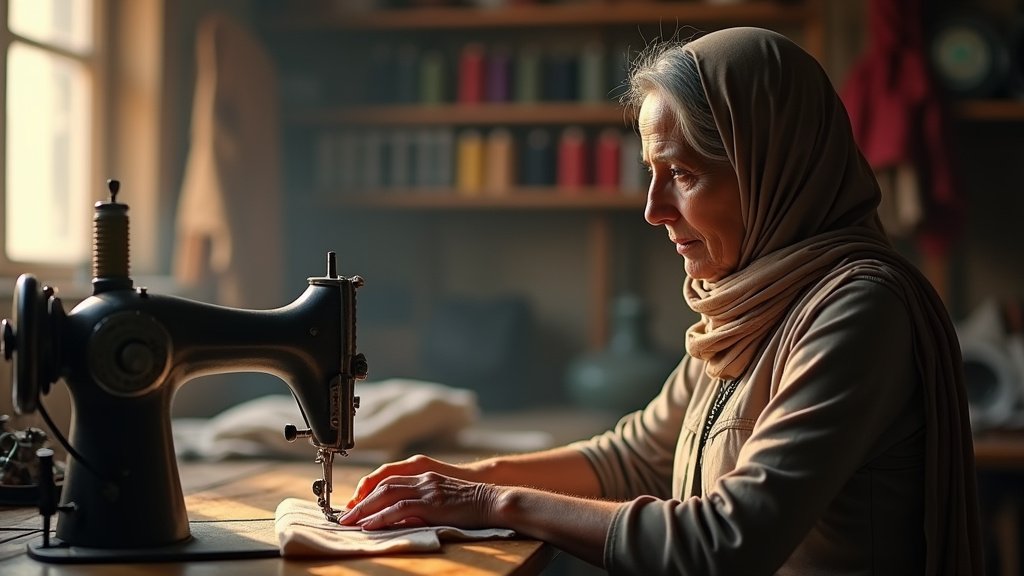
Inspiration comes from individual stories. Ibtisam Hamed is one such example. She is a mother from Salah Al-Din. After displacement, she resettled in Kirkuk. Financial instability was a major hurdle. She joined a sewing training course through CRRISA. Now, she is a skilled craftswoman. She provides for her family. She plans to teach her daughter. This shows how training builds independence.
Murad Saber is another success story. He is from Hawija. Murad received specialized training. He learned solar energy system installation. He gained technical skills and knowledge. Murad is now preparing to launch his own business. This path leads to financial independence. It offers a stable income.
Farah Mohammed also found her way. She fled ISIS control. She moved through camps. She settled in Kirkuk. A UNDP training program was her turning point. She received a financial grant. Farah started a business from home. She sells clothing and cosmetics. She is respected in her neighborhood. She even helps others with payment plans.
Aisha’s story is one of stitching hope. She joined an IOM workshop. She received mental health support. She also gained livelihood skills. IOM provided her with a sewing machine. Her home-based business is thriving. She is a professional seamstress now. Aisha learned to rebuild her confidence. She overcame her fears.
Nuha Jiyad Ahmed returned to Al-Baaj. Her hometown bore scars of destruction. Returnees faced stigma and few opportunities. Nuha refused to be defined by her past. She joined a UNDP vocational training. It was funded by the European Union. She learned solar energy installation. She received a business grant. Nuha launched her own service. She brings clean energy to homes. Her journey empowered her. It gave her back her voice.
Universal Themes of Hope and Community
These remarkable stories highlight a universal truth. Resilience is a human trait. It transcends borders and circumstances. Similar efforts to empower displaced populations exist worldwide. These include initiatives in regions like the Caribbean. There, displacement due to climate change and conflict also demands solutions. Such community efforts focus on resilience. They promote integration and well-being. They help people rebuild lives and stories of hope.
Overcoming Barriers for Lasting Change
Successful reintegration requires more than just aid. It demands addressing deep-seated issues. The lack of official documentation remains a major barrier. It prevents access to essential services. Social stigma can isolate returnees. Building trust between returnees and host communities is vital. Programs that combine skills training with psychosocial support are effective. They help individuals heal. They build their confidence. They equip them for self-reliance.
The CRRISA project, and others like it, prove that displacement can become opportunity. They show how creativity and strength can rebuild lives. They foster social cohesion. They pave the way for a more stable future. These stories offer a beacon of hope. They demonstrate the power of human spirit. They affirm that a better future is possible for all.