
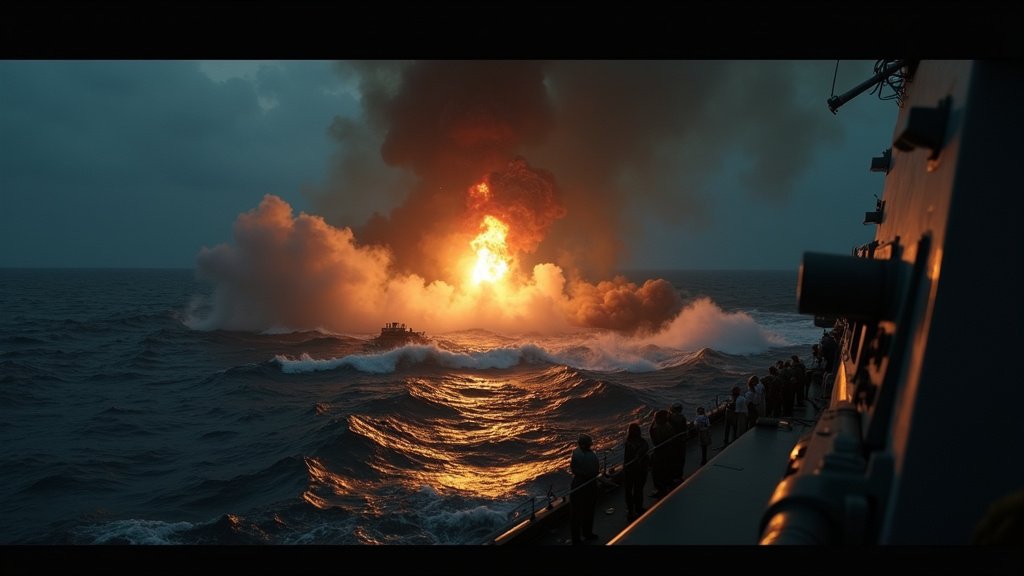
Democratic legislators are demanding justice. They want a criminal investigation. This probe concerns US military strikes in the Caribbean. They call these actions potential war crimes. Congressmen Ted Lieu and Jamie Raskin lead the charge. They sent a formal letter to the Attorney General. The letter demands a DOJ probe. It targets recent lethal military operations. These strikes occurred in September 2025. The focus is on a specific boat attack. This incident raises grave legal questions today. It highlights concerns about wartime conduct.
Background of Operation Southern Spear
The Trump administration dramatically expanded military action. This focus was in the Caribbean Sea. It began in September 2025. The stated goal was combating drug trafficking. This campaign became known as Operation Southern Spear. The US military deployed warships. It also used fighter jets. The administration targeted suspected narco-trafficking vessels. It labeled these groups “narco-terrorists.” These included organizations like Tren de Aragua. However, the administration did not publicize evidence for these claims. The strikes later expanded to the eastern Pacific Ocean. By late December 2025, figures indicated over 100 people had died. These casualties resulted from dozens of strikes. This regional news has drawn significant attention. Today, the legal implications are under scrutiny.
The Controversial September 2nd Strike
A particular event sparked major outcry. It occurred on September 2, 2025. US forces conducted an initial strike. It hit a vessel in international waters. This happened off Venezuela’s coast. Tragically, a second strike followed. This subsequent attack targeted survivors. They were clinging to the wreckage. They had survived the first blast. This “double-tap” strike drew sharp criticism. Lawmakers cited “deeply troubling reporting.” They believe this incident may violate established laws. It appears to target incapacitated individuals. Such actions raise serious concerns.
Legislators’ Demands and Legal Arguments
Congressmen Ted Lieu and Jamie Raskin detailed their concerns. They sent a five-page letter to the DOJ. They urged a full criminal investigation. Their letter cited potential violations of war laws. It also mentioned federal criminal law. They argue targeting helpless survivors is illegal. The Department of Defense’s Law of War Manual forbids this. It expressly prohibits attacking those rendered helpless by shipwreck. Such conduct could trigger criminal liability. This includes charges under the War Crimes Act. It might also fall under the federal murder statute. The lawmakers noted Congress never authorized military force against Venezuela. They found the administration’s legal justifications unpersuasive. Secretary of Defense Pete Hegseth offered explanations. These explanations were described as shifting and contradictory. He cited the “fog of war.” He also claimed delegation of authority. However, issuing or executing an order to kill survivors is unlawful. This applies even if acting under orders. Such orders are manifestly illegal. “Acting pursuant to orders” is not a defense then.
Senator Welch Raises Alarm
Senator Peter Welch also voiced strong alarm. He spoke on the Senate floor. He criticized President Trump’s mobilization of troops. This included National Guard units, warships, and fighter jets. Senator Welch urged Congress to enforce the War Powers Act. He stated the administration provided insufficient information. He demanded transparency and accountability for the attacks. These strikes had reportedly killed nearly 100 people. Senator Welch previously supported efforts to halt such attacks. He wants Congress to reassert its constitutional authority. This is crucial before the US embarks on unauthorized wars. He led Senate Judiciary Democrats in demanding answers from the DOJ. They questioned the legality of these military actions.
Legal Framework and International Scrutiny
Democrats argue these operations are unlawful. They see targeting survivors as a grave violation. They believe the entire Caribbean operation lacks Congressional authorization. International human rights experts echo these serious concerns. The UN High Commissioner for Human Rights stated the strikes violate international human rights law. He called them unacceptable. He urged the US to halt the operations. He stressed that countering drug trafficking is a law enforcement matter. This issue requires careful limits on lethal force. International human rights law governs these situations. Lethal force is only lawful as a last resort. It requires an imminent threat to life. Experts also argue that drug smuggling is not a military issue. It should be handled by law enforcement. The US has existing agreements for this. Killing suspected drug smugglers is neither legal nor moral. It is also not a capital offense. The administration defends the strikes. It claims they are lawful under international law. They assert executive branch powers support these actions. They target alleged narco-terrorists. However, critics question this legal framing. They point to a lack of evidence. They also dispute the claim of an armed conflict. The UN and other bodies have called for investigations. They emphasize the need for prompt, independent reviews.
Implications and Calls for Transparency
The controversy continues to deepen today. Lawmakers are pushing for public hearings. They want access to related documents. The military has declined to publicly release video footage of the strike. Secretary Hegseth cited the classified nature of the material. This refusal to release information fuels further demands. It raises serious questions about accountability. The implications extend to international law. They challenge the US use of military force. It also affects how counter-narcotics operations are conducted globally. The United States has a legitimate interest in preventing drug trafficking. However, this is fundamentally a law enforcement matter. The methods used are under intense scrutiny.
Conclusion: A Demand for Accountability
Democratic legislators are actively pushing for answers. They demand a Department of Justice criminal investigation. The focus remains on recent US military actions. These occurred in the Caribbean region. The specific September 2nd strike on survivors is central. Lawmakers believe these acts may constitute war crimes. They cite clear violations of established law and ethics. The debate continues vigorously. It involves national security, international law, and accountability. The ongoing regional news reflects this intense scrutiny. Today, the calls for transparency and justice persist.