
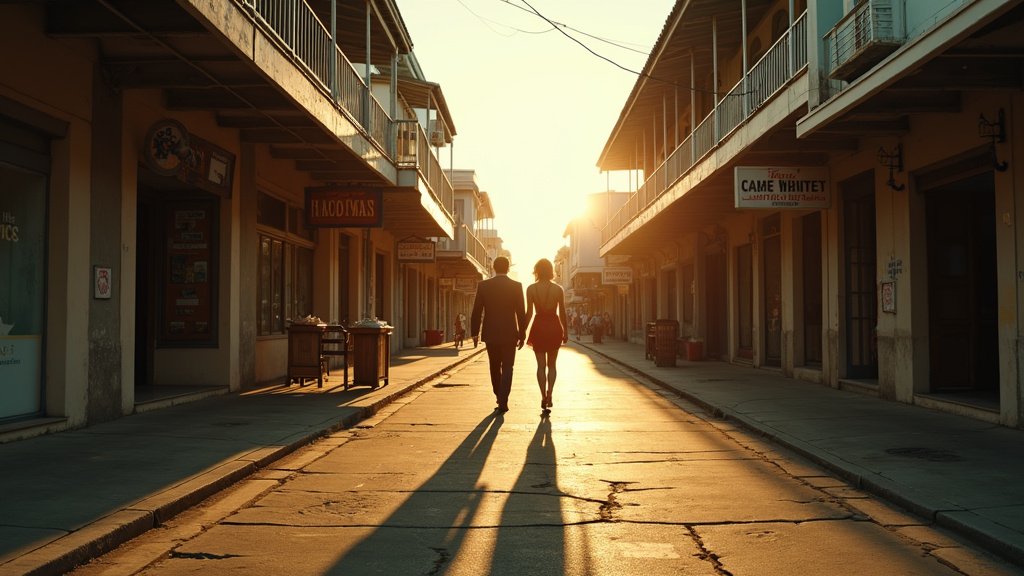
Barbados anticipates a record cruise season. Millions of passengers are expected to arrive. Yet, Bridgetown’s main shopping district struggles. Retailers on Broad Street report low sales. Tourists are not spending as expected. This news highlights a growing concern. It affects the island’s economy.
The Booming Cruise Season
The outlook for Barbados is bright. The 2025-2026 winter cruise season is set to break records. Cruise lines report full bookings. Nearly 500 ships are scheduled to dock. This means over 800,000 passengers. Some projections suggest over 850,000 arrivals. This surge follows port upgrades. The Port of Bridgetown now has a luxury feel. Operations also received positive reviews. This influx of visitors is good news for tourism. However, it does not reach all businesses.
Retailers’ Grim Reality
Major Bridgetown retailers voice concerns. They see few benefits from the cruise boom. Foot traffic on Broad Street is weak. Tourist spending remains low. This disconnect is deeply felt. National tourism figures show growth. But ground-level sales tell a different story. Retailers hoped for a strong season. Instead, they face disappointing results.
Why Tourists Aren’t Spending
Many cruise passengers bypass shopping areas. They prefer visiting Barbados’ beautiful beaches. Beach activities offer a different experience. They do not drive spending in retail shops. Onboard shopping on cruise ships is also a factor. Ships offer many brands. Passengers buy fewer items ashore. Souvenirs are the main purchases. These are often inexpensive items. Local artisans struggle to compete. Prices for unique crafts can be high. Some businesses are not set up for tourists. They supply hotels instead.
Underlying Issues in Bridgetown
Broad Street faces deeper problems. Government jobs left the city center. This happened almost 20 years ago. Nearly 3,000 jobs were lost. This created a significant “captive market” loss. Foot traffic declined sharply then. Vacant storefronts dot the landscape. The area lacks consistent activity. Bridgetown’s decline is a long-term issue. It has been ongoing for decades. Malls in other areas may have contributed. The decentralization of government also played a part. The COVID-19 pandemic worsened matters. It impacted businesses severely.
Divergent Spending Habits
Visitor spending varies greatly. Stay-over tourists spend most on accommodation. This accounts for over 50 percent. Food and beverages are next at 28 percent. Shopping makes up only 3 percent. Souvenirs represent just 2 percent. Cruise passengers have different habits. They often seek inexpensive souvenirs. Local producers find it hard to match prices. This means less direct economic benefit for artisans. Cruise passenger spending in Barbados lags expectations. It does not fully support the retail sector.
Broader Caribbean Context
This situation mirrors Caribbean challenges. Tourism is vital for the region. However, it faces rising costs. Airfare is also a factor. Global competition remains stiff. Economic uncertainty adds pressure. The Caribbean tourism industry must adapt. It needs innovative strategies. Resilience is key for future growth. This island nation is part of that larger picture.
Pathways Forward
Efforts are underway to revive Bridgetown. New hotels and projects are planned. These may change the city’s dynamics. But such changes take time. Retailers need immediate solutions. Suggestions include adding entertainment. Cultural events can draw visitors. Improving the shopping experience is vital. City guides could assist tourists. Free Wi-Fi access is a must. Walking maps can help navigation. Removing cars from Broad Street is proposed. This could create outdoor cafes. The goal is to make Bridgetown more vibrant.
Conclusion
Barbados boasts a booming cruise season. Yet, its historic shopping district lags. Retailers on Broad Street feel overlooked. They need more than just visitor numbers. They need increased spending. The island faces a complex challenge. It must find new ways to ensure tourism benefits all sectors. This requires innovative thinking. It also demands collaboration. The future of Bridgetown’s retail depends on it. This news underscores the need for action.