
The Trump administration dramatically revived aspects of the Monroe Doctrine. This doctrine historically aimed to limit European influence in the Americas. However, under Trump, its focus shifted. It became a tool to assert U.S. dominance. It also aimed to counter growing external powers. China’s influence in the region was a primary concern. This marked a significant departure from previous U.S. policy. The strategy reasserted American preeminence. It focused on the Western Hemisphere. This was outlined in the new U.S. National Security Strategy.
Asserting Influence in the Caribbean and Beyond
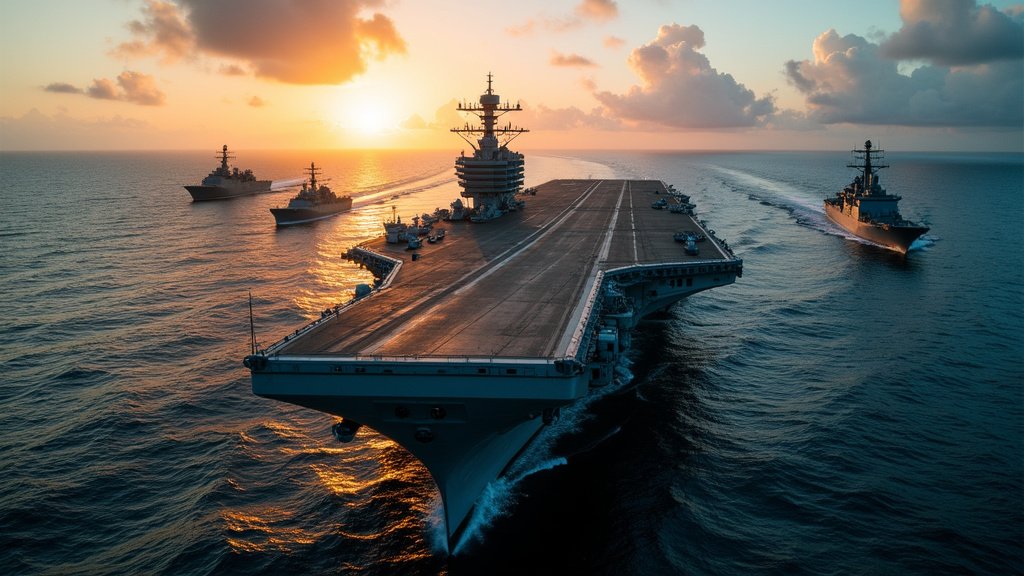
The Trump administration launched significant military and economic actions. Operation Southern Spear epitomized this new assertiveness. This operation involved a large naval buildup in the Caribbean. The stated goal was combating drug trafficking. However, it also targeted Venezuela and its government. U.S. warships patrolled the region. The USS Gerald R. Ford carrier strike group deployed. The U.S. Navy conducted airstrikes on suspected drug vessels. These actions killed over 100 people.
Economic Pressure and Diplomatic Maneuvers
Economic tools also played a key role. The administration issued warnings about Chinese infrastructure financing. This aimed to dissuade countries from accepting Chinese investments. The U.S. also used tariffs. Tariffs were threatened and imposed on Mexico and Canada. They aimed to address trade imbalances. They also pressured countries on non-trade issues. This economic coercion sought to align regional partners with U.S. interests. The administration prioritized controlling the region. This was seen as fundamental to U.S. security.
Targeting Venezuela and Countering China
Venezuela became a central focus. The U.S. seized oil tankers off its coast. Operation Southern Spear included a blockade of sanctioned tankers. The U.S. also declared the Venezuelan government a foreign terrorist organization. These actions escalated tensions. They aimed to pressure the Maduro regime. The administration also viewed China as a major rival. It sought to limit China’s trade, investment, and diplomacy in Latin America. This included countering Chinese involvement in strategic assets and technology.
Historical Echoes and Regional Reactions
The revival of the Monroe Doctrine brought historical echoes. Critics warned of a return to interventionism. Some Latin American nations expressed concern. They viewed these actions as potentially destabilizing. Others, like Trinidad and Tobago, supported U.S. actions. Venezuela condemned the tanker seizures as piracy. Cuba also labeled the seizures an “act of piracy”. The strategy aimed to restore American preeminence. It emphasized U.S. influence as a condition for regional security and prosperity.
Modern Application and Future Implications
The Trump administration’s approach integrated military might and economic pressure. It sought to reassert U.S. leadership. The focus on countering China’s influence was a core element. The use of technology in surveillance and operations was also notable. News about these developments spread rapidly. The implications for the Caribbean and wider Latin America are profound. The region faces a more assertive U.S. foreign policy. This policy aims to shape its geopolitical and economic future. The renewed emphasis on the Monroe Doctrine signals a defining era for U.S. foreign policy in the Americas.