
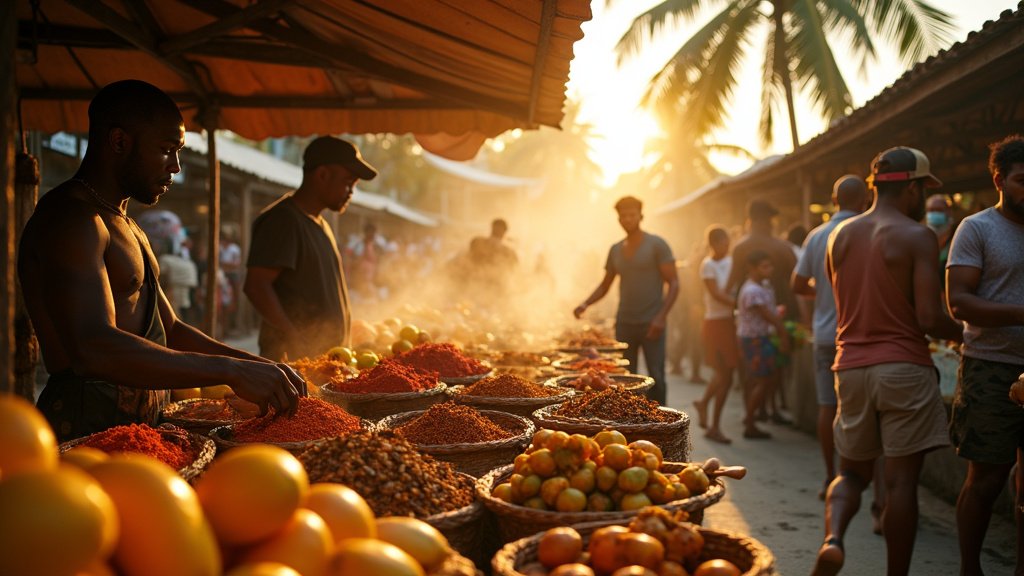
The Caribbean food and drink market is set for strong growth. It will expand significantly from 2025 to 2032. Experts project a Compound Annual Growth Rate (CAGR) of 7.8%. This forecast highlights a vibrant sector. The market thrives on unique, rich flavors. These notes blend sweet, spicy, and savory tastes. Indigenous ingredients like scotch bonnet peppers are key. Allspice and ginger also add distinct character. This news offers exciting opportunities today.
Several major forces propel this market forward. Global consumers increasingly seek ethnic and exotic cuisines. This fascination fuels demand for Caribbean products. The region’s diaspora communities abroad also drive sustained interest. They seek authentic tastes from home. Culinary tourism plays a significant role too. Visitors experience Caribbean food firsthand. They then look for these flavors globally.
Key trends are reshaping the market landscape. Premiumization and authenticity are top priorities. Consumers want high-quality, artisanal products. They value products with a story. Health and wellness integration is also vital. This means developing healthier traditional options. Plant-based Caribbean offerings are also rising. This aligns with global wellness shifts.
Sustainability is a growing focus. Consumers demand environmentally friendly practices. This includes sustainable sourcing of ingredients. Eco-friendly packaging is also important. Many producers are adopting biodegradable options. This supports local economies too. It fosters sustainable agriculture across the islands.
Technological advancements enhance market reach. Innovations in processing and packaging help. Improved logistics extend product shelf life. E-commerce and direct-to-consumer (D2C) channels are expanding rapidly. Online sales of Caribbean snacks have surged. This digital expansion offers broader access. It connects producers with a global audience.
Beverages lead market segmentation. Rum, tropical juices, and ginger beer are popular. Snacks like plantain chips and tamarind balls follow. Seasonings and sauces gain traction in gourmet markets. Functional food innovations are also emerging. Drinks with turmeric and moringa see rising demand. Ready-to-drink (RTD) formats are gaining popularity. These often use coconut water and fruit infusions.
New product development is a growth engine. Many new products blend Caribbean flavors with global dishes. Examples include jerk chicken tacos. Rum-based BBQ sauces are also appearing. Pepper guava marinades offer unique tastes. These fusion products appeal widely. They cater to adventurous palates.
Authentic flavors are crucial for success. Consumers are drawn to genuine tastes. Many are familiar with jerk chicken. However, there is much more to explore. Each island offers unique signature dishes. This variety provides endless inspiration. Innovative recipes can capture new markets.
North America remains a major consumer region. A large Caribbean diaspora lives there. This drives significant demand for food products. Retail remains the largest distribution channel. However, e-commerce is the fastest-growing segment. Online searches for Caribbean food are increasing. This digital shift is transforming how consumers shop.
Supply chain challenges exist. Limited cold chain infrastructure can affect exports. However, investment is addressing these issues. Regional governments support logistics improvements. This helps ensure product quality. It also reduces spoilage risks.
Culinary tourism is a powerful driver. Tourists seek authentic food experiences. They research local food before visiting. This interest often translates to home consumption. Food festivals and events promote Caribbean cuisine. They create awareness and demand. This helps build strong, distinct brands.
The food and drink market offers diverse products. These range from ready-to-eat items to specialty ingredients. Caribbean food is appealing for its vibrant, bold tastes. Its tropical vibes offer escapism. Many plant-based ingredients are naturally present. This appeals to health-conscious consumers. Cassava and plantains are popular staples.
The Caribbean food scene is evolving today. It combines traditional recipes with modern approaches. This evolution ensures lasting appeal. The market’s rich history captivates many. It contributes to economic growth regionally. Global recognition of Caribbean delicacies grows.
Looking ahead, the outlook is bright. Continued innovation will drive expansion. Consumers are eager for new flavor experiences. The blend of authenticity and convenience is key. Sustainable practices will also be paramount. The Caribbean food and drink market is poised for a delicious future.