
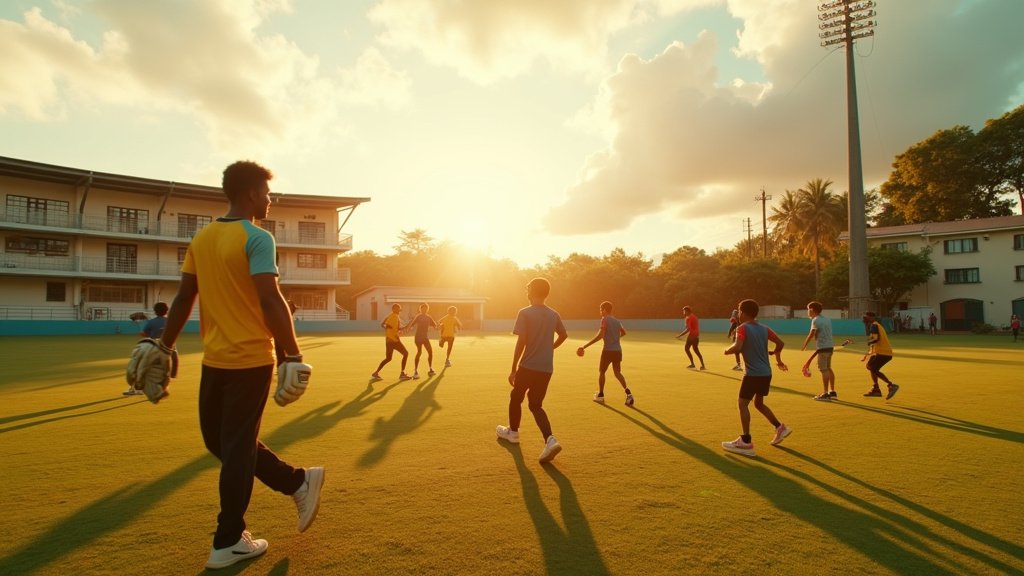
Caribbean cricket is gearing up for a significant year in 2026. Cricket West Indies (CWI) CEO Chris Dehring has announced ambitious plans. The year promises to be busy and pivotal for the sport in the region. CWI aims for significant overall development. This focus includes nurturing young talent. It also involves adapting to the evolving global cricket landscape.
Strengthening the Grassroots
Dehring stressed the importance of developing young players. He highlighted recent U-13 tournaments. These events are crucial for learning and growth. CWI is pushing resources into Under-19 levels. The focus is not just on winning. It is about how youngsters handle pressure. Identifying raw talent is also key. However, challenges exist. Some young players become disengaged. This is due to the senior team’s mixed performances. The lack of senior team success impacts their interest. Providing a conducive learning environment is vital. This allows them to learn from challenges. CWI believes more cricket is needed at youth levels. Primary school programs are important. These programs help develop young cricketers.
The Breakout League and Future Tournaments
The 2026 Breakout League is awaiting a suitable window. Its execution is a priority for CWI. The league is a key part of player development. It helps identify and nurture talent. However, a busy calendar poses challenges. Player availability is a major factor. Managing resources is also critical for successful tournaments.
Furthermore, 2026 will see cricket’s inclusion in the Pan American Games. Qualifications for this event happen in 2026. This adds another historic element to the year. The Caribbean Premier League (CPL) will also feature prominently. The CPL final is set for Barbados in 2026. Tickets for the CPL Playoffs and Final go on sale in December 2025. This T20 league is a festival of cricket. It showcases regional talent and island flair. The CPL is a critical bridge for regional players.
Financial Realities and Strategic Adjustments
The news also touches upon financial realities. CWI faces significant financial challenges. This impacts the 2025-2026 cycle. Consequently, CWI must restructure its tournament calendar. Some events face cuts. The Under-17 tournament is scrapped. Women’s competitions will merge. Combined Campuses and Colleges (CCC) and the West Indies Academy are removed from men’s events.
Hosting tours against teams like Sri Lanka, New Zealand, and Pakistan in 2026 presents financial difficulties. These tours do not typically generate profit. Revenue from the 2024 T20 World Cup has been used for expenses. CWI is seeking financial relief. They are working with CARICOM and regional governments. Corporate partnerships are also being pursued.
CEO Dehring noted the “commercial and resource gaps” with other nations. He stressed that CWI cannot tackle these challenges alone. A united effort is necessary. Dehring also highlighted the imbalance in revenue distribution from the ICC. West Indies receives a small percentage compared to other full members. This affects funding for development programs.
Evolving Landscape of Cricket
The global cricket scene is changing rapidly. Franchise leagues are rising. This affects television rights for bilateral series. West Indies cricket must adapt. Dehring sees this as an inevitable shift. Individual countries will compete more in events like the Olympics. This nationalism can encourage governments to invest more in national programs.
The sports landscape is also seeing a greater focus on player development. CWI is investing in high-performance programs. These include batting and spin bowling camps. They also aim to enhance coaching methodologies. Daren Sammy, the new Head Coach, is leading some of these initiatives. This strategic investment is crucial for the future.
Challenges and a Path Forward
Despite the challenges, CWI is committed to a long-term vision. They are lobbying the ICC for fairer financial models. Re-engineering domestic tournaments is also planned. The goal is to make West Indies cricket competitive again. This requires a collective effort from the entire Caribbean.
Dehring’s appointment as CEO marks a new era. He brings experience and passion to the role. His mission is to build on past foundations with modern strategies. The news indicates that 2026 will be a year of adaptation. It is a year for development and strategic planning. This will help secure a promising future for Caribbean cricket. The path forward is challenging but achievable.