
A New Caribbean Order: Geopolitical Shifts and Economic Realities
The Caribbean region faces profound structural transformations today. A long-standing concept of a “Zone of Peace” is undergoing significant change. This shift involves complex geopolitical maneuvers and economic pressures. Recent news indicates a strategic realignment in the region. The United States is playing a central role in these changes. These developments are creating ripple effects across multiple nations.
U.S. Naval Blockade and Economic Pressure
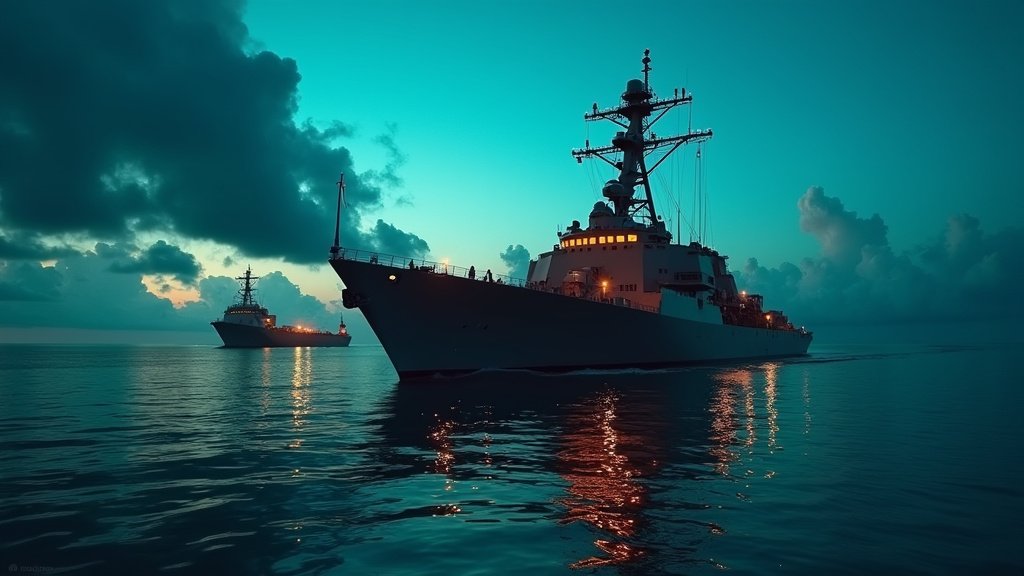
The U.S. naval blockade of sanctioned oil tankers is a key factor. This policy directly impacts Venezuela, Cuba, and Nicaragua. It involves intercepting crude oil. It also restricts the flow of essential diesel fuel. Internal economies in these nations are grinding to a halt. The cost of basic goods is soaring. Widespread power outages are a consequence. This policy increases economic anxiety regionally. Insurance premiums for shipping are rising. Cargo transit times are also extended. The U.S. Treasury Department has imposed new sanctions. These target companies and tankers involved in Venezuela’s oil sector. This escalates pressure on President Nicolás Maduro. The U.S. military presence in the region has increased. This includes naval deployments. Ships are being stopped and cargo checked. Sanctioned fuel cannot traverse these waters. The U.S. aims to control energy flows for regional stability. This has been a strategic consideration for decades.
Strategic Realignment and Resource Consolidation
A core objective appears to be consolidating vast energy reserves. This includes Venezuela, Guyana, and Trinidad. The goal is a U.S.-managed security and economic framework. This strategy is framed as a fight against “narco-terrorism”. However, it represents a territorial and resource realignment. The U.S. military presence is expanding in the Caribbean. This includes naval deployments. Ships are being stopped and cargo checked. Sanctioned fuel cannot traverse these waters. The U.S. aims to control energy flows for regional stability. This has been a strategic consideration for decades.
Trinidad and Tobago’s Role
Trinidad and Tobago is a key player in this evolving landscape. The nation has aligned with U.S. military transit. This supports its own energy infrastructure security. U.S. Southern Command and Army South facilitate energy conservation conferences. This strengthens security cooperation. Trinidad and Tobago’s energy sector is vital to the region. The U.S. sees the nation as a leader in the English Caribbean. However, past energy cooperation with Venezuela has faced U.S. obstacles. Licenses for joint gas projects were revoked by the U.S. Treasury. This move halted critical negotiations.
Disciplinary Measures and Visa Restrictions
Not all Caribbean nations are cooperating equally. Some face disciplinary measures. Antigua and Barbuda and Dominica now face “partial visa restrictions”. This is a warning to countries maintaining diplomatic dissent. The U.S. cited national security and immigration concerns for these measures. Weaknesses in passport security and data sharing were cited. Citizenship by investment programs were also a factor. Existing visas generally remain valid. However, new applications face tougher scrutiny. This policy began on January 1, 2026. It affects nonimmigrant B-1/B-2 visitor visas and student visas. It also impacts immigrant visas for many nationals.
Economic Anxiety and “Humanitarian Corridors”
The regional economic spillover is significant. Rising insurance premiums and extended cargo times create anxiety. As living costs climb, foreign personnel influx could worsen inequality. The strategy involves creating crises. External interveners then resolve these crises. “Humanitarian Corridors” and “Stabilization Packages” are introduced. These are welcomed as rescue measures when living costs become unbearable. This approach creates a “Savior Mentality”. The U.S. leverages economic strangulation and strategic silence. This achieves objectives that once required military action.
Guyana’s Strategic Silence
Guyana’s position is particularly noteworthy. President Irfaan Ali’s administration remains publicly silent. It avoids clear stances on the escalating U.S. presence. This silence might be a survival tactic. It could signify total alignment for total security. A conceded security control to Washington has potential downsides. It could prioritize offshore rig protection over border residents. The “resource curse” might accelerate. This widens the gap between elites and frontier populations.
The Evolving “Zone of Peace”
The concept of a “Zone of Peace” in the Caribbean now faces redefinition. Historically, it meant opposing militarization and exploitation. Peace was to rest on justice, fair trade, and empowerment. Today, global rivalries turn the Caribbean into a stage for competition. Foreign warships and economic coercion undermine sovereignty. The current structural transformation redefines regional security. It consolidates energy resources under a U.S.-managed framework. This new order, driven by economic strangulation and strategic silence, reshapes the region’s future. The news today highlights a complex and shifting regional dynamic. This transformation impacts economies and sovereignty across the Caribbean.