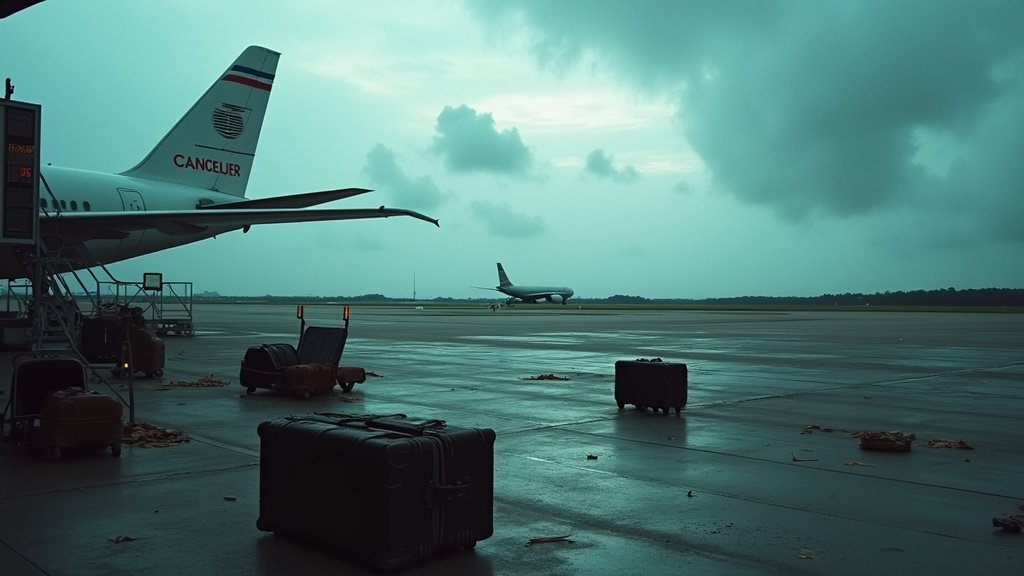
The Caribbean Community (CARICOM) issued a strong statement. This followed swift US military action in Venezuela. The operation occurred on January 3, 2026. It resulted in the capture of President Nicolás Maduro. His wife, Cilia Flores, was also taken. CARICOM leaders convened an emergency meeting. The Bureau of Heads of Government met on Saturday, January 3rd. This bureau includes leaders from Jamaica. Saint Kitts and Nevis also participated. Saint Lucia was also represented. The group strongly condemned the US military intervention. They reiterated commitment to international law. Sovereignty and territorial integrity are paramount. They urged peaceful dialogue for Venezuela. The US operation was codenamed Absolute Resolve. It involved extensive military force. More than 150 US aircraft participated. The mission targeted Venezuelan leadership. President Trump announced the capture. Maduro and Flores face charges in the US. These include narco-terrorism conspiracy. They also face cocaine importation charges. US forces transported them to New York. The operation was swift. It lasted only a few hours. The US military controlled the skies. They also jammed Venezuelan communications. This action set a dangerous precedent, critics said. The Caribbean Movement for Peace and Integration voiced alarm. They called it a “catastrophic precedent.” This impacts all small nations. The United Nations also expressed concern. Secretary-General António Guterres was alarmed. His spokesman cited regional stability risks. He stressed adherence to international law. This intervention violates UN Charter principles. The US military presence escalated in late 2025. This buildup aimed to combat drug trafficking. President Trump labeled smugglers “narco-terrorists.” He alleged Maduro supported illegal drug trade. This escalated tensions for months. The US had previously struck vessels. These actions occurred in international waters. They also seized oil tankers. This tightened the economic blockade. The US claimed Venezuelan oil assets were stolen. This military action was not authorized by Congress. Legal experts questioned its justification. International law appears violated. It also risks regional instability. The action follows months of buildup. US forces used air, land, and sea assets. Strikes hit military targets in Caracas. The operation was tactical success for the US. However, strategic success remains uncertain. The capture decapitated Maduro’s regime. This raises questions about Venezuela’s future. US forces reached Maduro’s compound early. Maduro and Flores surrendered. They were moved to the USS Iwo Jima warship. From there, they flew to New York. The US plans to “run” Venezuela. This is until a transition is arranged. Trump mentioned tapping oil reserves. This plan caused further concern. CARICOM leaders emphasized regional peace. They want Venezuela’s stability. They also want good governance there. Prosperity for Venezuelans is a goal. The community remains ready to assist. This is in a spirit of cooperation. The situation has multifaceted impacts. Economic activity is affected. Air travel faced major disruptions. This occurred during a busy travel period. The Federal Aviation Administration (FAA) acted quickly. They imposed airspace restrictions. US civilian aircraft could not fly over Venezuela. This included the Maiquetía Flight Information Region. The FAA cited safety risks. Military activity posed hazards. These restrictions began early January 3rd. They lasted through Saturday. The FAA lifted them on January 4th. This allowed travel to resume. Hundreds of flights were canceled across the Caribbean. Major airlines halted services. Flights to Puerto Rico were grounded. Many other destinations faced cancellations. This included Aruba and the Virgin Islands. Thousands of travelers were stranded. Airports saw major disruptions. Miami International Airport reported many cancellations. San Juan’s main airport was heavily impacted. Nearly 400 flights were affected there. Passengers faced confusion and delays. Some spent nights at airports. Airlines offered waivers for changes. They allowed rebooking or refunds. This eased some passenger burdens. However, disruption continued for days. Some cruise ship itineraries were also affected. Barbados noted impacts on its ports. Many destinations experienced travel chaos. Passengers were marooned on islands. They struggled to return home. This disrupted winter holiday plans. The FAA issued advisories for caution. These urged ongoing vigilance. Some advisory notices extended for weeks. Airlines adjusted schedules carefully. They added seats to manage backlogs. Larger aircraft replaced smaller ones. This helped clear stranded passengers. The Caribbean community relies on tourism. Such disruptions hurt its economy. Stories of passenger struggles emerged. These highlighted the human cost. The region strives for peace. It is a zone of peace. CARICOM leaders work for cohesion. They promote regional security. This incident tested those efforts. The community must monitor impacts closely. Security and economic stability are key. The situation’s long-term effects are unfolding. International law and stability are concerns. The region watches Venezuela’s future. The Caribbean community seeks answers. It hopes for peaceful resolution.