
The United States lifted airspace restrictions over the Caribbean. This decision came late on Saturday, January 3, 2026. The restrictions had grounded commercial flights. Hundreds of flights were canceled across the eastern Caribbean region. U.S. Transportation Secretary Sean Duffy announced the change. He stated restrictions expired at midnight. Flights could resume as scheduled.
Maduro’s Capture and Charges
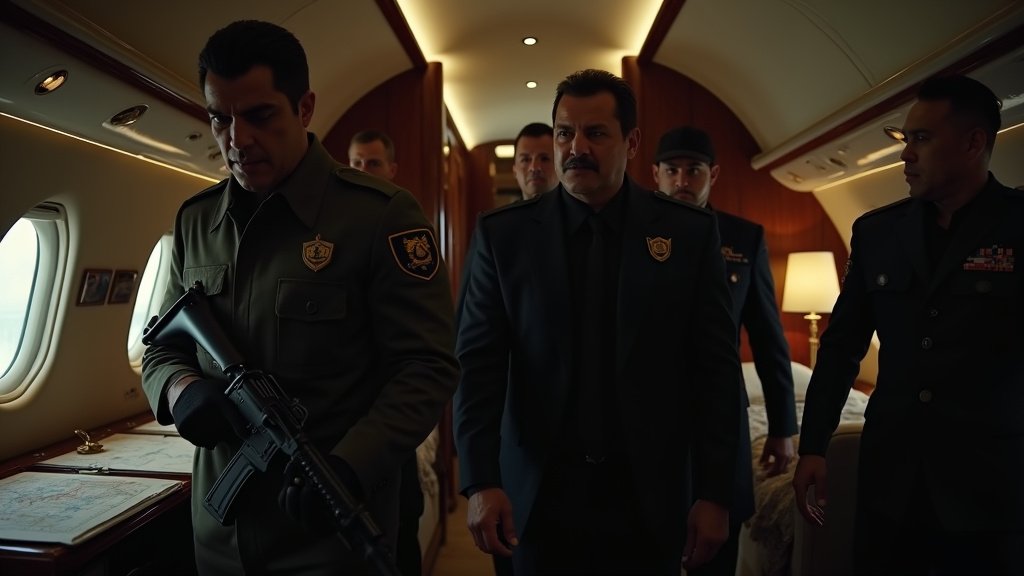
Venezuelan President Nicolas Maduro was captured. U.S. special forces conducted the operation. It occurred in a pre-dawn raid. Maduro and his wife, Cilia Flores, were seized. They were taken to New York City. They face serious charges. These include drug-trafficking and weapons charges. The indictment alleges Maduro led a corrupt government. This government protected illegal activities. It allegedly promoted drug trafficking for decades. Prosecutors have pursued a case against Maduro for years. It was refiled by a superseding indictment. This case has been pending for almost 15 years. Maduro was indicted previously in March 2020. The charges include narco-terrorism conspiracy. Cocaine importation conspiracy is also listed. Possession of machine guns and destructive devices is included. Conspiracy to possess these weapons is also charged. The operation was codenamed “Absolute Resolve.” It involved over 150 U.S. military aircraft. Delta Force executed the capture. Law enforcement personnel were also involved. They arrested Maduro and Flores. They were attempting to flee to a safe room. The strike disabled Venezuelan air defense systems.
Background and Context
U.S.-Venezuela relations were already strained. Hugo Chávez and Nicolás Maduro led Venezuela. Their governments were increasingly authoritarian. They engaged in corruption. They also faced accusations of drug trafficking. The U.S. government did not recognize Maduro as Venezuela’s legitimate leader. The Trump administration applied pressure. This included diplomatic and economic measures. It also involved legal pressure. Sanctions were imposed. These targeted Maduro and his associates. The U.S. also conducted prior strikes. These targeted suspected drug-carrying boats. Deadly strikes occurred in the Caribbean Sea. They also happened in the eastern Pacific Ocean. These operations aimed to thwart drug smuggling. They resulted in civilian deaths. Legal experts questioned these actions. Some called them war crimes.
Airspace Restrictions and Travel Impact
The FAA imposed the closures early Saturday. They cited “safety-of-flight risks.” These risks stemmed from “ongoing military activity.” The closure caused significant disruption. Major airlines prepared to restart flights. American Airlines, Delta, United, Frontier, Spirit, and JetBlue were affected. Hundreds of flights were canceled. This left thousands of tourists stranded. Destinations like Puerto Rico and Aruba saw disruptions. Luis Muñoz Marín International Airport in San Juan canceled many flights. Aruba also saw some delays. Recovery for airlines will take days. Passengers faced extended delays. Many had to rebook travel. Airlines waived change fees. They added extra seats to help.
Implications and Future Outlook
The U.S. stated it would “run the country” temporarily. President Trump vowed a “safe, proper and judicious transition.” Secretary of State Marco Rubio indicated leverage. This leverage would pressure Venezuelan leaders. He also mentioned an “oil quarantine.” Venezuela’s acting president, Delcy Rodríguez, invited U.S. cooperation. She proposed working on shared development. This would be within international law. This overture suggests a potential shift. Years of adversarial policy marked relations. Sanctions crippled Venezuela’s economy. This includes its oil sector. The situation has implications for global energy markets. Venezuela holds vast oil reserves. Any improvement could affect supply. It could also impact crude oil prices. The geopolitical context is complex. The U.S. role in Venezuela remains uncertain. The nation faces a severe economic crisis. Millions need humanitarian aid. Many Venezuelans have fled the country. News technology was used by Venezuela. This includes surveillance technology. It aided in suppressing protests. It also tracked opponents. This news impacts technology discussions. It highlights global security concerns.