
US Seizes Fifth Sanctioned Tanker in Caribbean, Tightens Grip on Venezuelan Oil
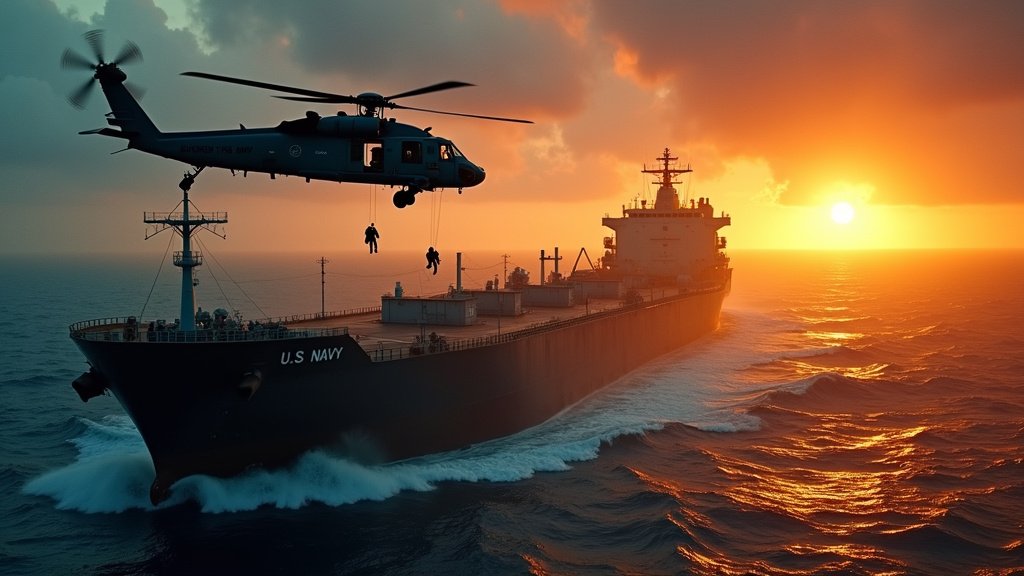
The U.S. military has intercepted a fifth sanctioned oil tanker. This action occurred in the Caribbean Sea. The tanker’s name is Olina. It marks a significant escalation. The U.S. is asserting greater control. This control is over Venezuela’s oil distribution. The operation happened early Friday, January 10, 2026. Marines and Navy sailors carried it out. They launched from the USS Gerald R. Ford. U.S. Southern Command stated this. They declared, “there is no safe haven for criminals.”
The Olina was previously sanctioned. It was known as Minerva M. This was for its role in a “shadow fleet.” These ships operate with little oversight. They often lack known insurance. This seizure is part of a larger strategy. The Trump administration is implementing it. The goal is to control Venezuela’s oil industry. This follows the recent capture of President Nicolás Maduro.
U.S. Intensifies Pressure on Venezuelan Oil Trade
The U.S. military has intensified its efforts. It targets sanctioned tankers. These ships are key to Venezuela’s oil exports. The U.S. has built up forces in the Caribbean. This buildup supports these operations. The USS Gerald R. Ford leads a significant naval presence. This shows a strong commitment. The goal is to disrupt illicit activities.
Homeland Security Secretary Kristi Noem commented. She posted footage online. It showed a helicopter landing on the Olina. U.S. personnel searched the deck. They were seen tossing an explosive device. Noem called the Olina a “ghost fleet” tanker. She said it carried “embargoed oil.” It had departed Venezuela. It was trying to “evade U.S. forces.” She added, “The ghost fleets will not outrun justice.” They will not hide.
Understanding the “Shadow Fleet”
Venezuela relies heavily on oil. It has the world’s largest reserves. Sanctions have complicated its exports. A “shadow fleet” emerged. These ships operate in regulatory gray areas. They often use deceptive practices. They transport sanctioned goods. This includes Venezuelan oil. Many of these vessels are reflagged. Some now fly Russian flags. This is an attempt to evade U.S. seizure. The U.S. has sanctioned several such tankers. These include ships linked to Chinese companies. The Treasury Department has targeted them.
Broader U.S. Strategy and Investment
The U.S. strategy aims for control. It extends beyond seizures. U.S. oil executives met with President Trump. They discussed major investments. These investments would revive Venezuela’s oil infrastructure. Trump predicted “hundreds of billions of dollars” in drilling. He promised “tremendous wealth.” He also offered “total safety, total security.”
He stated the U.S. would control oil proceeds. This would benefit the Venezuelan people. It would prevent regime corruption. However, critics voice concerns. Some Democrats call the plan “insane.” They accuse the administration of “stealing Venezuelan oil.” They fear micromanagement.
Secretary of State Marco Rubio detailed a plan. It involves seizing and selling Venezuelan oil. The goal is leverage. This aims to stabilize the country. The U.S. would control the funds. This is part of a three-step strategy. It includes stabilization, recovery, and transition.
Global Impact and Community Narratives
These actions have global implications. They affect oil markets. They impact international relations. The U.S. military buildup in the Caribbean is substantial. It involves multiple naval groups. This operation signals a new phase. It is a direct challenge to Venezuela’s oil trade. The stories of affected communities are complex. They involve international law. They also involve economic realities. The U.S. aims to reshape the energy landscape. This effort is a key part of its foreign policy. The U.S. asserts its influence. It does so in a critical region. The outcome of these actions will have lasting effects. It highlights the strategic importance of oil. It also shows the U.S. commitment to its objectives. The operations continue. The U.S. vows no safe haven for illicit trade.