
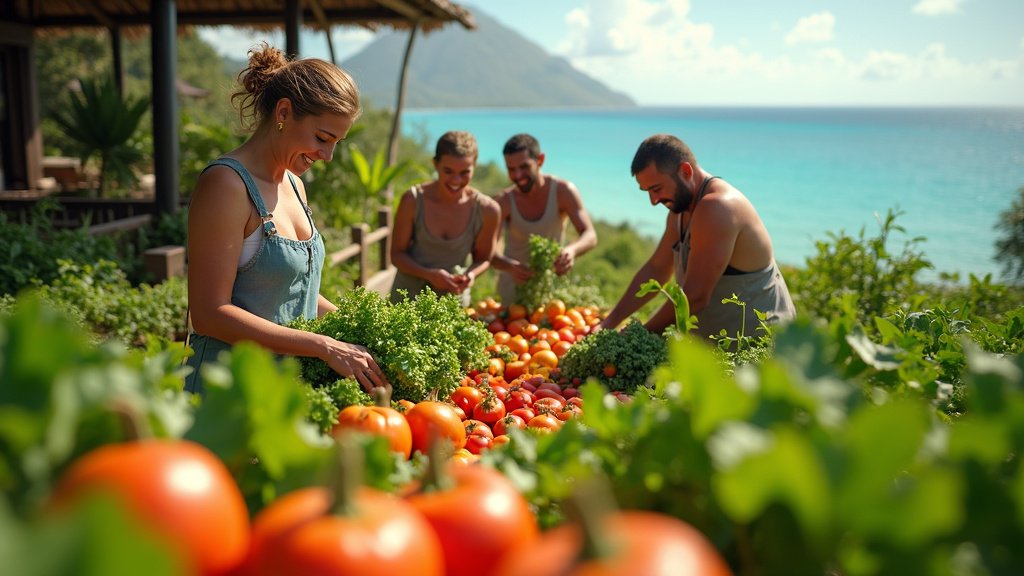
Caribbean resorts are embracing a new era of travel. This shift highlights regenerative tourism and authentic local food. These trends are shaping experiences for 2026. Travelers seek more than just relaxation. They want genuine connections to places. And they crave healthy, flavorful food. This news signals a major change for the caribbean. Resorts are actively improving destinations. They aim to benefit local communities. Ecological health is also a priority. This approach goes beyond basic sustainability. It’s about leaving places better than found.
The Rise of Regenerative Travel
Regenerative tourism is gaining significant momentum. It actively restores ecosystems. It also strengthens local cultures. Hotels are becoming partners in this regeneration. They work to improve the well-being of their surroundings. This means deep guest engagement. It also creates long-term value for properties. Many travelers now expect this. They demand transparency from hotels. Resorts are responding with new initiatives. These include on-site farms. They also foster partnerships with local producers. Storytelling is a key element. It highlights local heritage. And it emphasizes unique guest experiences.
Local Food Takes Center Stage
Farm-to-table dining is a major focus. Caribbean cuisine is being celebrated. Resorts are collaborating with local farmers. They highlight Kittitian food. This showcases regional flavors. It also supports local economies. On-site farming is common now. This provides hyper-regional ingredients. It aligns with a “health through eating” philosophy. Guests enjoy organic produce. They can often participate directly. The BodyHoliday in Saint Lucia offers this. Its I-TAL experience lets guests harvest vegetables. They then cook their own meals. This creates an immersive experience. It connects guests to the land.
Health, Authenticity, and Recipes
Travelers are seeking health-conscious options. Regenerative agriculture offers healthier food. Immersive farm-to-table experiences promote wellness. They provide a connection to nature. This fits the growing wellness tourism sector. Resorts are moving beyond basic offerings. They focus on authentic cultural experiences. Local food is central to this. Culinary tourism is a key attraction. This includes cooking classes. It also features rum tastings. Exploring local recipes is popular. Travelers want to taste the real Caribbean.
Leading Examples in the Caribbean
Belle Mont Sanctuary Resort in St. Kitts is a prime example. It collaborates with local farmers. They also use on-site farming. This highlights Kittitian cuisine. Villa Eden in Merano pioneered this trend. It offers hyper-regional, organic production. The BodyHoliday’s I-TAL experience is another success. Guests enjoy garden tours and cooking. Hermitage Bay in Antigua also uses an organic garden. It offers cooking courses. These resorts show how to connect guests to local culture. They create unique, memorable stays.
The Future of Caribbean Hospitality
These trends are shaping the future. Regenerative tourism and local food are here to stay. They offer distinct advantages. Resorts attract discerning travelers. They also build stronger community ties. This approach benefits everyone involved. It creates authentic guest experiences. It also supports local economies. News today shows this trend growing. The caribbean is leading the way. It offers a blueprint for others. Travelers will find richer experiences. They will also contribute positively. This is the new standard for luxury. And it is deeply rooted in place.