
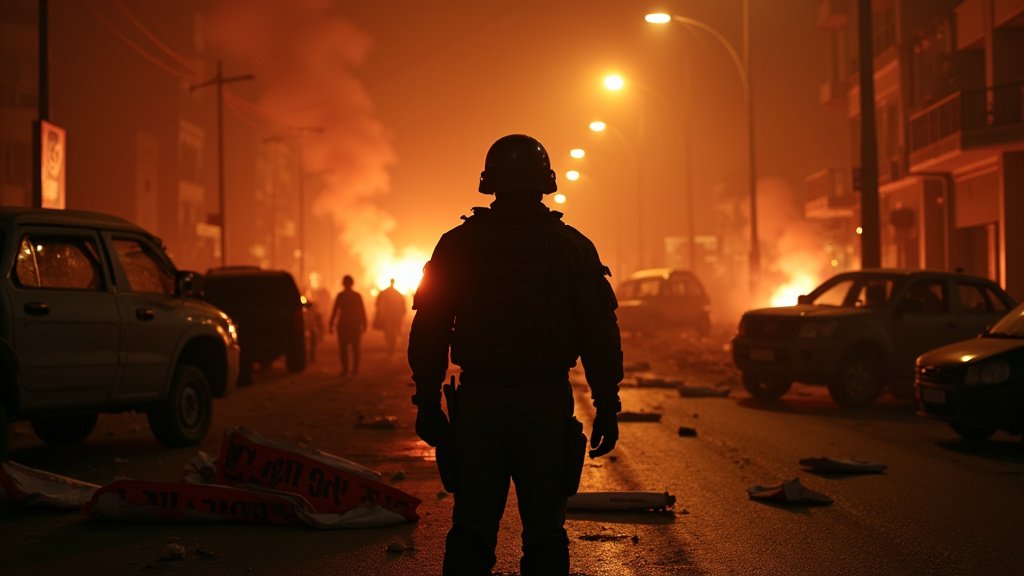
Global tensions mount as Iran faces internal unrest.
Mass protests erupted across Iran. They began in mid-November 2019. The demonstrations followed a sharp increase in fuel prices. The government responded with a brutal crackdown. Security forces used lethal force. This led to a rapidly rising death toll. Activists reported a grim reality on the ground. International observers voiced grave concerns. The world watched these events unfold. This news reached the United States. President Donald Trump commented on the situation. He claimed Iran wished to negotiate. This statement came as protest deaths climbed. Reports indicated a significant human cost. The exact numbers remained difficult to confirm. However, credible sources pointed to hundreds killed. Some estimates suggested over a thousand. The initial context mentioned at least 646 deaths. This figure highlights the severity of the crackdown. Such events draw global attention. They also shape international diplomacy.
Protests Sparked by Economic Woes
The protests began swiftly. They were a direct response to a sudden fuel price hike. This increase impacted many Iranians. It hit ordinary citizens hard. Demonstrations spread rapidly. They covered more than 100 cities. Protesters voiced deep anger. Their grievances went beyond fuel prices. They included broader complaints. These centered on economic hardship. They also targeted political repression. The government declared these actions riots. Supreme Leader Ali Khamenei called protesters “villains.” He gave security forces a green light. This signal authorized a harsh response. The state media then aired troubling images. They showed mass casualties. These were seen inside and outside a Tehran morgue. The video depicted many bodies. People searched for loved ones. Some claimed many victims were ordinary people. This happened despite a near-total internet blackout. The blackout aimed to control information flow. It limited communication. It also hindered outside reporting. This made verifying numbers challenging. It also complicated international response efforts.
A Rising Tide of Casualties
Human rights groups worked to document the toll. Amnesty International reported escalating numbers. Its initial count was 304 deaths. This figure later rose to 321. The organization documented these fatalities. They occurred from lethal force by security forces. This violence happened between November 15 and 19, 2019. Many deaths happened on just two days. This included November 16 and 17. Other activist groups provided higher figures. Human Rights Activists in Iran (HRANA) reported over 500 deaths. One report stated at least 544 fatalities. Another mentioned 572 deaths. Some reports even estimated up to 1,500. A later report suggested over 3,000 killed. These numbers painted a stark picture. They indicated a severe human rights crisis. Thousands were also arrested. Estimates placed detentions at over 10,000. Children as young as 15 were reportedly detained. Torture and ill-treatment were also alleged. The Iranian authorities did not release official data. They claimed the process of categorization was slow. This lack of transparency fueled further concern. The global community condemned the violence. They called for accountability. The situation demanded international focus. It was a critical world news event.
Trump’s Diplomatic Gambit
Amidst this turmoil, President Donald Trump spoke. He stated Iran wanted to negotiate. He said Iranian officials had called him. This claim came after his threats. He had warned of US intervention. This was if authorities killed protesters. Trump announced that a meeting was being set up. However, he cautioned he might have to act first. He stated, “Iran wants to negotiate.” He also said, “We might meet with them.” He added, “But we may have to act because of what is happening before the meeting.” The US military was reportedly studying options. These included cyberattacks and strikes. This was according to people familiar with White House discussions. Trump suggested Iran was tired of US pressure. He implied this fatigue drove their desire to talk. The US had previously imposed strict sanctions. This was part of a “maximum pressure” campaign. This campaign severely damaged Iran’s economy. It aimed to isolate the nation. However, it did not achieve all its stated goals. The protests highlighted the regime’s internal challenges. Trump’s statements added another layer. They suggested potential diplomatic openings. This occurred alongside heightened military rhetoric. It created a complex international dynamic. This news was significant today.
Navigating Geopolitical Tensions
The protests and US responses underscored deep divisions. Iran’s foreign minister insisted the situation was under control. He blamed the US and Israel for violence. He offered no evidence. Iran’s parliamentary speaker warned the US military and Israel were legitimate targets. This was if the US used force. Such threats heightened regional tensions. They also complicated any potential negotiation. The US had withdrawn from the Iran nuclear deal. This withdrawal increased animosity. It led to renewed sanctions. Iran responded by increasing its nuclear activities. This created an ongoing arms control challenge. The events of late 2019 and early 2020 showed instability. They revealed domestic pressures within Iran. They also showed a volatile US foreign policy. The world community sought de-escalation. However, the path forward remained unclear. These developments continued to shape global affairs. The situation remained tense. It demanded careful observation by all nations. This news impacted the world stage. The ongoing news cycle continued to track these developments.