
Senator Welch Raises Alarm Over Caribbean Military Buildup
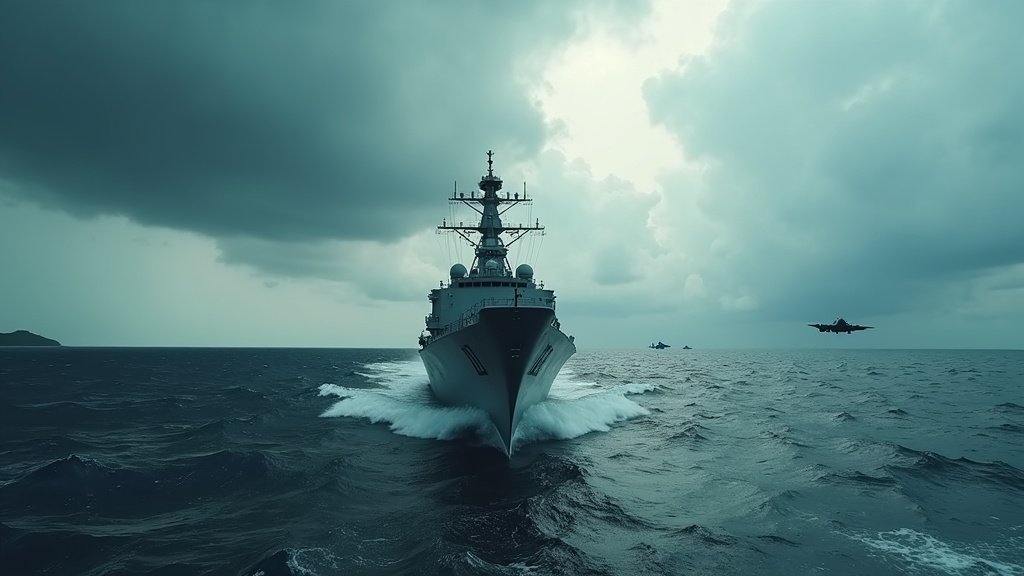
Senator Peter Welch voiced serious concerns. He is alarmed by a U.S. military buildup. This build-up is happening in the Caribbean Sea. President Donald Trump ordered the action. National Guard troops are involved. Warships are deployed to the region. Fighter jets are also part of the mobilization. This news comes today.
Welch is a Democrat from Vermont. He believes this signals a significant escalation. He urges Congress to act. Congress must enforce the War Powers Act. This is crucial before more unauthorized war begins. The Trump administration has not given Congress enough information. This concerns military strikes in the region. Welch demands transparency. He also calls for accountability. This is for attacks that killed many people. Over 100 individuals have died. These incidents occurred in the Caribbean and Pacific Oceans.
Background to the Buildup
The U.S. military presence in the Caribbean is growing. This buildup started in August 2025. The stated goal was combating drug trafficking. President Trump directed military force against drug cartels. He called them narcoterrorists. The USS Iwo Jima was first deployed. Its Amphibious Ready Group arrived in August. The USS Gerald R. Ford carrier strike group came in November. This marked a second increase. A sharper escalation occurred in December. The U.S. began seizing oil tankers. They imposed a naval quarantine. This targeted vessels going to or from Venezuela. Plans were announced. Venezuela’s government would be designated a Foreign Terrorist Organization.
By mid-October 2025, U.S. objectives shifted. Regime change in Venezuela became a likely goal. Trump acknowledged possible strikes inside Venezuela. He authorized CIA lethal ground operations. Military officials drafted options for strikes. The U.S. Navy deployed warships. More than 4,500 sailors and Marines were involved. This military presence is unusually large. It has been in the region since summer. The build-up represents a major U.S. military presence. Over 10,000 U.S. personnel are in the Caribbean.
Escalation and Concerns
The U.S. military built a large force. This occurred near Venezuela. The goal was initially stated as fighting drugs. However, the context suggests more. Tensions with Venezuela were escalating. The U.S. reactivated a Cold War-era base. This happened at Roosevelt Roads in Puerto Rico. Thousands of troops were deployed. This is the largest buildup in decades. The base is about 500 miles from Venezuela.
F-35 fighter jets were also deployed. These advanced jets can counter Venezuelan aircraft. They can also conduct airstrikes. The military buildup offers options. These range from interdiction to strikes. The administration stated the focus is counter-narcotics. But other objectives are implied.
Senator Welch’s Arguments
Senator Welch questioned the buildup’s purpose. He asked why warships were in the Caribbean. He stated they were not for drug interdiction. The reason is clear, he argued. President Trump wants Venezuelan President Maduro gone. He desires regime change.
Welch stressed the Constitution’s role. Article I gives Congress war authority. Elected senators have this responsibility. The executive branch must comply with the law. It needs congressional approval for military action. The President masses forces for war. He refuses to seek Congressional approval. This violates the War Powers Act. Welch urged transparency and accountability. He also called for compliance.
Legislative Actions and Opposition
Senator Welch has taken specific actions. He voted for a War Powers Act Resolution. This resolution aimed to stop Trump’s actions. He urged the Senate to question Trump’s authority. Welch also led Senate Judiciary Democrats. They demanded answers. These questions concerned the legality of military actions. These actions have resulted in casualties. Over 100 people have died. Welch seeks new legislation. This legislation would prohibit unauthorized military actions.
The U.S. military has conducted strikes. These strikes targeted drug-trafficking vessels. At least 115 people died. This occurred in at least 35 strikes. The naval flotilla is the largest ever. It is the largest deployment in decades.
Implications and the Path Forward
The military buildup has significant implications. It signals a potential war. Senator Welch fears an unauthorized war. He emphasizes Congress’s constitutional duty. The Senate must assert its role. This involves deciding when the U.S. goes to war. Failure to do so has caused suffering. It has weakened national security.
The situation in Venezuela is tense. The U.S. military campaign escalated. This campaign began with strikes in September 2025. On January 3, 2026, a major strike occurred. U.S. forces captured President Nicolás Maduro. He and his wife were flown to New York. They face charges of narco-terrorism. This marked a dramatic escalation.
Senator Welch continues to push back. He urges colleagues to avoid ceding authority. This is especially true for wars based on falsehoods. He believes the executive branch is overstepping. Congress must demand answers. It must ensure legal compliance. The news today highlights these ongoing regional tensions.