
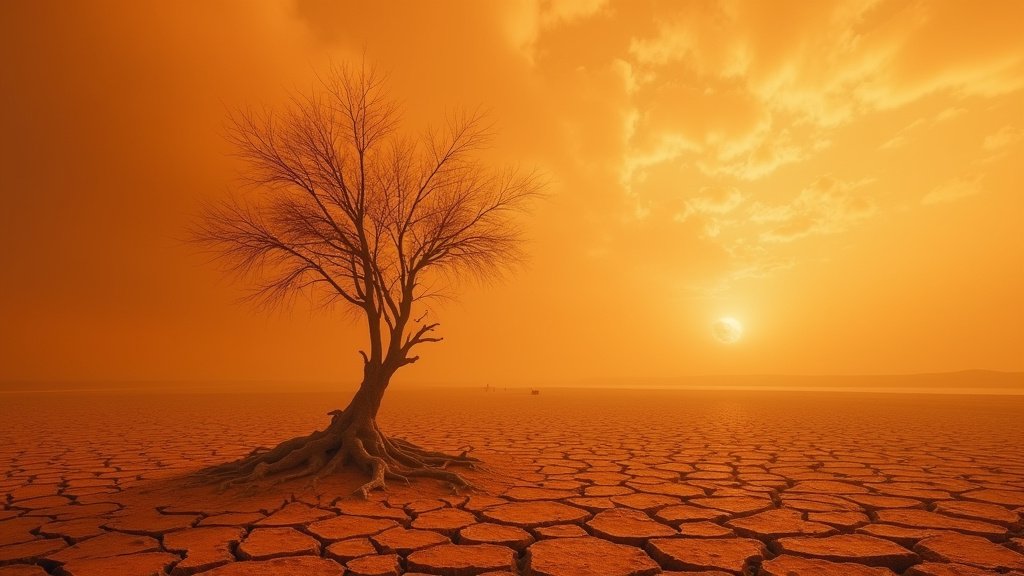
A new era of global water bankruptcy has begun. This is the stark warning from United Nations researchers. The world has irreversibly overspent its water resources. This situation leaves ecosystems, economies, and communities struggling. They cannot recover to previous levels. This news comes from a flagship report. The report was released on Tuesday, January 21, 2026.
The Dawn of Water Bankruptcy
The United Nations University Institute for Water, Environment and Health authored this critical report. Lead author Kaveh Madani described the situation. He stated that familiar terms like “water stress” and “water crisis” are no longer adequate. These terms suggested a future that could still be avoided. However, the world has entered a new phase. It is a post-crisis stage. This stage is marked by permanent damage. It means an inability to return to historical water levels.
The report uses financial terms to explain the problem. It says humanity has overspent its annual water “income.” This income comes from rain and snow. It also depleted long-term water “savings.” These savings are stored in aquifers, glaciers, and ecosystems. It is like a person spending beyond their earnings. They also drain their savings. This leaves them in financial ruin.
Causes of This Global Crisis
Multiple factors contribute to this severe global water bankruptcy. Climate change is a major driver. It alters weather patterns. This leads to more frequent and intense droughts. Warmer temperatures increase evaporation from soil. Heatwaves worsen drought conditions. Melting glaciers also reduce freshwater supplies.
Decades of overuse are another key cause. Agriculture consumes about 70% of global freshwater. Inefficient irrigation and thirsty crops waste much of this water. Industrial demands also strain resources. Over-extraction of groundwater is widespread. This causes underground aquifers to decline. Around 70% of major aquifers show long-term declines.
Pollution further reduces usable water. Pesticides and fertilizers wash from farms. Untreated human wastewater and industrial waste contaminate sources. Even groundwater is not safe from pollutants. Deforestation and development destroy ecosystems. These ecosystems naturally filter and clean rainwater.
Population growth also increases water demand. More people need water for drinking, sanitation, agriculture, and industry. War and conflict damage water infrastructure. Sometimes, water sources are deliberately targeted.
Alarming Consequences and Impacts
The consequences of this water bankruptcy are far-reaching. Billions of people face severe water scarcity. Four billion people experience this for at least one month yearly. Nearly three-quarters of the world’s population lives in water-insecure countries. About 2.2 billion people lack safely managed drinking water.
Ecosystems suffer immense damage. Half of the world’s large lakes have shrunk. Vast areas of wetlands have disappeared. Major rivers often fail to reach the sea. Aquifers collapse, causing land to sink. This land subsidence affects nearly two billion people.
Economic impacts are significant. Droughts cost an average of $307 billion annually. Over 170 million hectares of agricultural land face high water stress. This affects food production. Over half of global food is produced in areas with declining water storage.
Water scarcity also fuels conflict. Tensions rise between communities and nations. The number of water-related conflicts has increased sharply.
A Call for a New Water Agenda
The UN report stresses the need for a fundamental reset. The current approaches are no longer adequate. Governments must shift from “crisis management.” They need to move towards “bankruptcy management.” This means adapting to new water realities. It requires protecting remaining natural capital. It also means ensuring water justice.
The report urges action to reduce and reallocate water demand. Curbing pollution and illegal withdrawals is essential. A new global water agenda must be developed. This needs to happen ahead of upcoming UN Water Conferences.
Experts agree that traditional policies are insufficient. They emphasize the need for better governance and infrastructure. Sustainable and equitable progress towards water security is vital. This news highlights the urgency. The world must confront this new reality.
The implications for global food security and economic stability are profound. A stable future depends on rethinking our relationship with water today. This global challenge requires immediate attention and long-term commitment.