
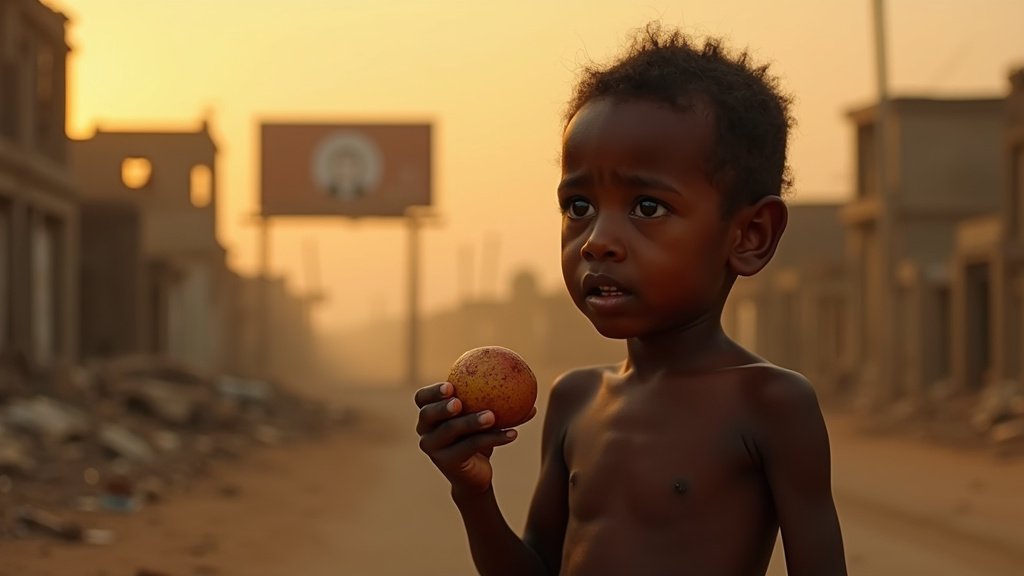
Sanctions often act as a quieter form of warfare. They are diplomatic tools. However, they function as economic warfare. Civilians become collateral damage. This is especially true for weaker states. Empirical research confirms this. Sanctions reduce economic growth. They worsen income inequality. They also amplify poverty. Financial and trade restrictions are very damaging. For decades, Western governments have used sanctions. They present them as principled diplomacy. But the reality is stark. They have become tools of economic strangulation. This deepens poverty and stalls development. It also entrenches dependency.
The Human Cost of Economic Sieges
Sanctions can cause substantial harm. They lead to a slump in GDP per capita. Private investment declines. Consumption and trade also suffer. These costs are a prerequisite for sanctions to be effective. However, their effectiveness is disputed. Sanctions are often called “blunt” weapons. They cause severe collateral damage. This is particularly problematic for civilians. Regimes targeted by sanctions often lack democratic legitimacy.
The impact is severe for vulnerable groups. This includes women, children, the elderly, and the poor. Sanctions can increase mortality rates. They reduce per capita income. They also undermine human rights. This includes rights to health, food, and education. Access to clean water and sanitation can be disrupted. Medical supplies become harder to obtain. Sanctions can impede humanitarian aid. This happens even when exemptions exist. Over-compliance by banks and businesses is a major issue.
Sanctions in Latin America and the Caribbean
Latin America and the Caribbean face significant impacts. Sanctions here function as broad blocks on trade and finance. They ripple through entire populations. In Cuba, Haiti, Nicaragua, and Venezuela, sanctions have caused economic strangulation. They deepen poverty and stall development. Sanctions can also create a chilling effect on investment. This deters banks from engaging with these nations.
In Venezuela, sanctions have had a dramatic impact. They have contributed to a sharp reduction in oil production. This led to billions in lost income. Reduced access to food and medicine caused thousands of deaths. One study estimates at least 40,000 deaths from lack of imports. Sanctions have led to hyperinflation and food insecurity. Over 7 million people have been displaced.
Haiti experiences particularly “perverse” impacts. It is already crippled by debt and external interference. Sanctions have severed its access to global trade. They have deepened poverty and decimated state capacity. This accelerated displacement. Sanctions on Haiti can create greater vulnerability and exploitation. They can increase human trafficking and modern slavery.
The Caribbean community faces unique challenges. Small economies can limit integration benefits. However, acting as a group enhances their scale. Regional integration is key for economic resilience. CARICOM seeks to coordinate foreign policy. It aims to expand trade and economic relations. Yet, completing its Single Market and Economy faces delays. Sanctions can disrupt trade and investment. They can create barriers for small businesses. These stories highlight systemic issues.
The Broader Picture
Sanctions are not benevolent tools for human rights. They are instruments of economic warfare. They are often sold as targeted measures. But they function as broad blocks on trade. This hits ordinary citizens hard. Their impact is often devastating. The reasons for sanctions shift over time. They are used to deter ties with rivals like China and Russia. This is part of a broader geopolitical competition.
Unilateral sanctions may violate international law. They conflict with principles of justice and human rights. They can also violate the principle of extraterritorial jurisdiction. Sanctions have cumulative effects. They have wider implications for all nations. The effectiveness of sanctions is heavily disputed. They often fail to achieve their stated objectives.
Many Americans believe sanctions should be lifted if they harm ordinary citizens. They agree sanctions should be lifted if they interfere with humanitarian aid. Policymakers need to consider how people are harmed. Sanctions have long-lasting effects. Their use is increasing. This raises serious humanitarian concerns. The goal should be clear humanitarian exemptions. This enables swift passage of aid and essential items.
Conclusion
Sanctions are a complex policy tool. They are presented as diplomatic options. However, their impact is often severe. Civilians bear the brunt of economic warfare. Vulnerable populations suffer the most. The Caribbean region experiences these effects. Many community members share similar stories of hardship. These sanctions can hinder development. They can exacerbate existing problems. A critical reassessment is needed. Policymakers must consider the human cost. They must ensure sanctions do not become instruments of prolonged suffering.