
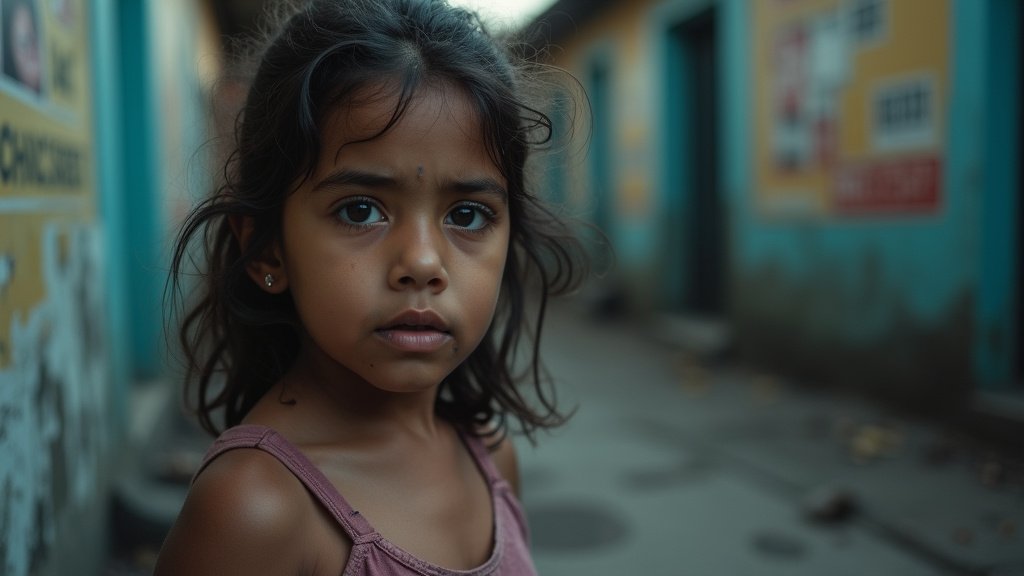
New Joint PAHO/UNICEF Report Details Widespread Violence Against Young People
Violence remains a grave threat. It imperils millions of children today. This is according to a new joint report. The Pan American Health Organization (PAHO) and UNICEF released it. The report focuses on Latin America and the Caribbean. Its title is “Violence against children and adolescents in Latin America and the Caribbean: New data and solutions.” It highlights urgent findings. This regional news demands immediate attention. Action is critical now.
A Devastating Toll
Tragically, violence claims thousands of young lives. Between 2015 and 2022, 53,318 children and adolescents were homicide victims. This figure is staggering. It underscores the scale of the crisis. The report reveals concerning trends. These trends differ by sex for adolescents. From 2021 to 2022, boys’ homicide rates dropped. The rate fell from 17.63 to 10.68 per 100,000. However, the rate for girls more than doubled. It rose from 2.13 to 5.1 deaths per 100,000. These statistics paint a grim picture. They show rising risks for young girls. Boys still face very high rates. Yet, the doubling for girls is alarming. This shows shifting dynamics. Violence impacts all young people. It affects them differently though.
Multiple Forms of Violence
Violence is not limited to lethal outcomes. It begins early in life. It takes many interconnected forms. Six in 10 children under 14 face violent discipline at home. This is a common experience. In schools, one in four adolescents reports bullying. This can cause deep emotional harm. Sexual violence is also a major concern. Nearly one in five women report abuse before age 18. Digital spaces are also becoming sites of violence. Data on online abuse is still limited. However, this is a growing problem. The report covers these varied threats. It shows violence is pervasive. It affects children from a very young age. It occurs in homes, schools, and communities.
Underlying Causes
Several factors fuel this persistent violence. Armed violence is a major driver. Organized crime plays a significant role. Easy access to firearms exacerbates the problem. Social inequalities create fertile ground for violence. Harmful gender norms also contribute. These norms can promote aggression. They often lead to greater risks for adolescents. Weak government systems hinder progress. Corruption and urban marginalization are also cited. These complex issues create a volatile environment. They make the region one of the most violent outside war zones. This context makes children highly vulnerable. It limits their chances for safety.
Urgent Calls for Action
PAHO and UNICEF emphasize prevention. They call for strengthening protection systems. Health services are vital in this effort. Health workers can identify at-risk children. They can offer timely support. This helps survivors and families. Roberto Benes, UNICEF Regional Director, stated this. He noted millions of children face daily violence. He stressed the need for sustained public policies. Dr. Jarbas Barbosa, PAHO Director, agreed. He highlighted violence’s lasting health impacts. He also stressed violating children’s rights. He mentioned the need for safe environments.
Pathways to a Safer Future
The report offers concrete solutions. These are evidence-based measures. They aim to prevent violence. They also seek to reduce its impact. Governments must strengthen child protection laws. They need to enforce these laws strictly. Better firearm control is essential. Training for police and teachers is recommended. Health and social service personnel need training too. Supporting parents in non-violent parenting is crucial. Investing in safe learning spaces is important. Expanding services ensures children get protection. Access to justice must be improved for victims. Laws prohibiting corporal punishment should be adopted. Community-based programs can help interrupt violence. Restorative justice can aid young offenders. These actions can break the cycle of violence. They can create safer societies.
A Collective Responsibility
The findings were validated at a regional meeting. Ministers and officials attended this event. Civil society and youth leaders also participated. The goal was to agree on concrete actions. The situation requires immediate attention today. Protecting children is a shared responsibility. PAHO and UNICEF urge a concerted effort. Strong laws and prevention programs are key. Better data collection is also needed. Coordinated action is essential. This includes health, education, and justice systems. These efforts can transform lives. They can give every child a fair chance to thrive. This news from the region is a stark reminder. Action must be taken now.
Keywords: Caribbean, regional, news, today