
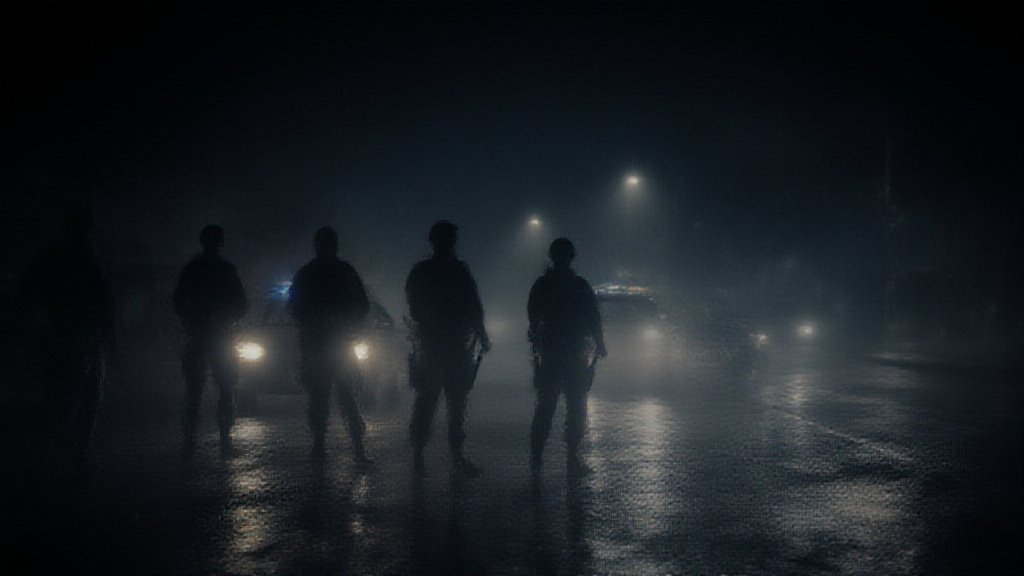
Trinidad and Tobago Imposes State of Emergency Amid Rising Crime Wave
Port of Spain, Trinidad – Trinidad and Tobago has once again declared a state of emergency. This measure follows closely on the heels of a previous similar declaration. The government defends this action. It aims to combat a significant surge in violent crime. However, the opposition questions the government’s motives. This move highlights ongoing security challenges in the Caribbean nation.
Reasons for the New State of Emergency
Security forces reported credible threats. These threats targeted police and law enforcement personnel. This intelligence prompted the government’s decision. Prime Minister Kamla Persad-Bissessar stated the National Security Council noted alarming trends. Mass shootings have increased. Gang-related retaliatory violence is also a concern. These factors significantly contribute to public safety deterioration. The country has already seen many murders this year. In fact, 63 killings occurred early in the year. This figure is close to last year’s count for the same period. These numbers reflect a serious crime wave. The emergency measure grants security agencies more powers. These powers allow for a quicker response. They aim to prevent further violence escalation.
Background of Persistent Crime
Crime has been a major issue for Trinidad and Tobago. Homicides reached a record high in 2022. Approximately 605 people were murdered that year. Murder rates have fluctuated but remained high. Gang violence and gun crime have risen since the late 1990s. For instance, 360 murders occurred in 2006. This number rose to 529 by 2008. Drug and gang problems are often cited. This trend continues into the current year. Crime impacts the city’s economic prospects. Laventille, for example, faces severe drug and gang issues. The nation has frequently used states of emergency. It is part of efforts to manage persistent crime.
Government’s Stance and Defense
Prime Minister Kamla Persad-Bissessar defended the decision. She stated that the government uses all lawful tools. These tools dismantle criminal networks. They aim to restore public confidence in security. She described past states of emergency as ineffective. She called them political gimmicks. Her government’s measures are intelligence-driven. They are not political gestures. The government aims to protect law-abiding citizens. It confronts criminal networks threatening stability. Prime Minister Keith Rowley also previously defended similar actions. He stated the government exhausted other options. He noted they sought to avoid interfering with citizens’ rights. He emphasized that decisive action is needed. Murder, home invasions, and extortion should not be normalized.
Opposition’s Criticism
The main opposition party criticizes the government. They accuse it of failing to address crime. Opposition leader Pennelope Beckles stated this clearly. She believes the government prefers authoritarian measures. These are chosen over strategic crime management. She argues the government restricts freedoms. It fails to address systemic crime problems. Beckles calls the emergency a “shameless political gimmick.” She says it shows the government has no real crime plan. It relies on excuses and overreach. Some critics feel the country has developed a dependence on emergency powers. They see it as a substitute for sustained governance.
Powers and Implications of the Emergency
The state of emergency grants expanded powers. Police can now arrest individuals without a warrant. They can also search premises. Bail provisions are suspended for suspects. The Trinidad and Tobago Defence Force assists the police. They operate under similar regulations. The government stated no curfew is in effect. This aims to minimize economic impact. However, the measure could affect tourism. Reginald Mac Lean noted this impact. He is president of the Tobago Hotel and Tourism Association. The emergency declaration comes at a sensitive time. Other global conflicts might drive tourists to the region. This move could deter potential visitors. The state of emergency has an initial duration. It is set for up to 15 days. However, the government can extend it.
Historical Context of Emergency Powers
Trinidad and Tobago has a history with emergency powers. The nation has spent significant time under such measures. It has spent roughly 10 of the last 14 months under emergency rule. The previous state of emergency ended recently. It concluded on January 31, 2026. This new declaration follows closely. It highlights the ongoing struggle with crime. Previous governments also declared states of emergency. These measures were often aimed at specific crime “hotspots.” The current situation involves nationwide concerns.
Future Outlook and Regional Context
The ongoing security situation is a concern. It impacts the nation’s stability. It also affects its regional image. The government insists on decisive action. It aims to restore peace and safety. The opposition demands real solutions. They reject rule by emergency. The effectiveness of these measures remains a key question. Many watch to see if this brings lasting change. This news is critical for the Caribbean region. It highlights challenges faced by many nations.