
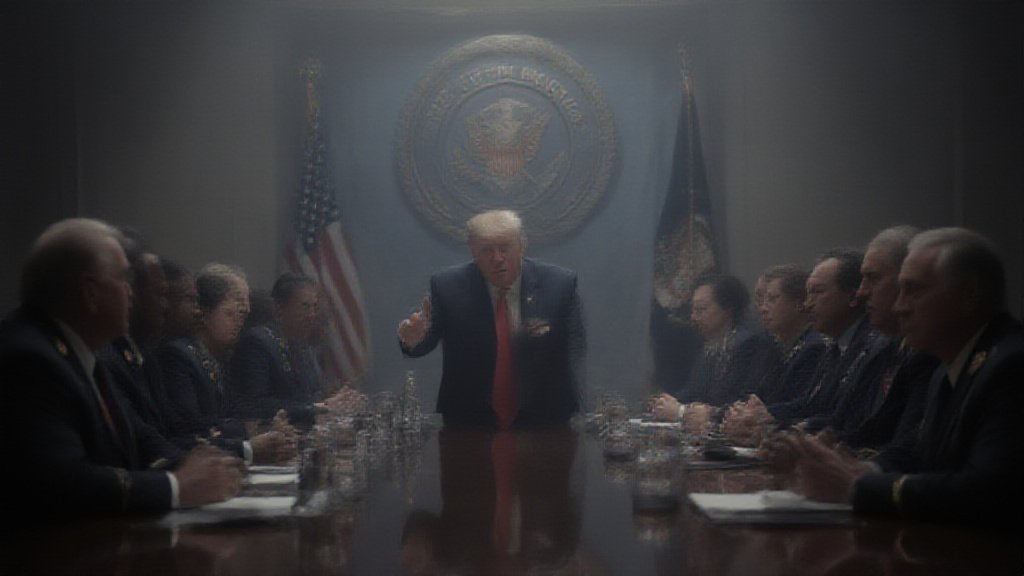
Leaders gathered in Miami on Saturday, March 7, 2026. The event was the “Shield of the Americas” summit. President Donald Trump hosted this meeting. Its stated goal was promoting freedom, security, and prosperity. However, regional tensions cast a long shadow. The summit raised new questions about US policy in Latin America. It also launched a new security coalition. This news is critical for understanding today’s regional dynamics.
A New Coalition Emerges
The “Shield of the Americas” summit saw the establishment of a new alliance. This is the “Americas Counter Cartel Coalition.” It is a 17-nation military partnership. The White House presented it as a unified front. The coalition aims to aggressively confront threats. This includes criminal cartels and narco-terrorist networks. President Trump urged participants to use military force. He stressed that defeating these enemies requires unleashing military power. The coalition is part of a broader “Shield of the Americas” framework. This framework also addresses border security and foreign interference. It aims to dismantle drug cartels. The leaders signed a commitment to counter cartel activity. This marks a significant US foreign policy focus. The Western Hemisphere is a top priority. This is news shaping regional security.
Border Nations Voice Urgent Concerns
Leaders from several countries highlighted pressing security issues. Florencio Marin Jr., Belize’s Defense Minister, spoke directly. He warned that cartels are adapting rapidly. These criminal networks exploit key routes. They traffic narcotics, weapons, and people. Belize, bridging Central America and the Caribbean, sits along these routes. Marin stressed that no single nation can fight this threat alone. He called for coordinated and resolute responses. Guyana’s Prime Minister, Mark Phillips, echoed these concerns. He reaffirmed Guyana’s commitment to regional security. The country aims to be a reliable partner. Guyana will play an active role in joint operations. These operations target narcotics trafficking and transnational crime. Phillips noted that Guyana is located along important transit corridors. Therefore, confronting these threats requires strong cooperation. Trinidad and Tobago also plays a role in regional security efforts. The news today indicates a shared understanding of these challenges.
Questions Arise Over Policy and Participation
The “Shield of the Americas” summit was not inclusive. Washington invited a selective group of leaders. This guest list was largely composed of right-wing governments. The summit was held at Trump National Doral Miami. Notably absent were leaders from Mexico and Brazil. These nations represent significant economic and population centers. Their exclusion led to criticism. Analysts pointed to an “ideological guest list.” This selective approach raises questions about US policy direction. It also highlights waning US influence. The summit reflects a shift toward “selective partnerships.” The administration is building a narrower circle of allies. This approach is not universally supported. Some view it as a “reactionary and neocolonial summit.” It deviates from broader multilateral forums. The broader regional news shows growing geopolitical competition. China’s influence in the Caribbean and Latin America continues to expand. This competition adds another layer to regional dynamics.
Shifting Geopolitical Landscape
The summit occurred amidst broader regional shifts. US actions against Venezuela continued. The capture of President Nicolás Maduro was a major event. Similarly, an oil blockade on Cuba was imposed. These actions by the Trump administration have drawn criticism. Some leaders view them as violations of sovereignty. They challenge the idea of Latin America as a “Zone of Peace.” The US has also emphasized its own sphere of influence. This is often referred to as the “Donroe Doctrine.” It is a modern interpretation of the Monroe Doctrine. This doctrine asserts US interests in the Western Hemisphere. It seeks to limit external influence. The summit’s focus on security and counter-cartel efforts is central to this strategy. However, it also creates divisions. Many countries are hesitant to alienate the US. Yet they also seek to diversify their relationships. This creates a complex geopolitical environment.
A Divided Hemispheric Future
The “Shield of the Americas” summit convened leaders with shared ideologies. Its primary outcome was the “Americas Counter Cartel Coalition.” This coalition aims to combat transnational crime. It signifies a firm stance against cartels. However, the summit’s exclusions are significant. They underscore the divisions within the hemisphere. The news today shows that regional cooperation faces hurdles. Divergent interests and policy approaches persist. While security is a shared concern, the path forward remains debated. The summit highlights a US-led initiative. It also raises questions about long-term regional stability. The coming news cycles will reveal the true impact of these developments. The region navigates complex challenges. Cooperation and careful diplomacy are essential. These are critical for a secure and prosperous future. The Caribbean and its neighbors face a dynamic news landscape.