
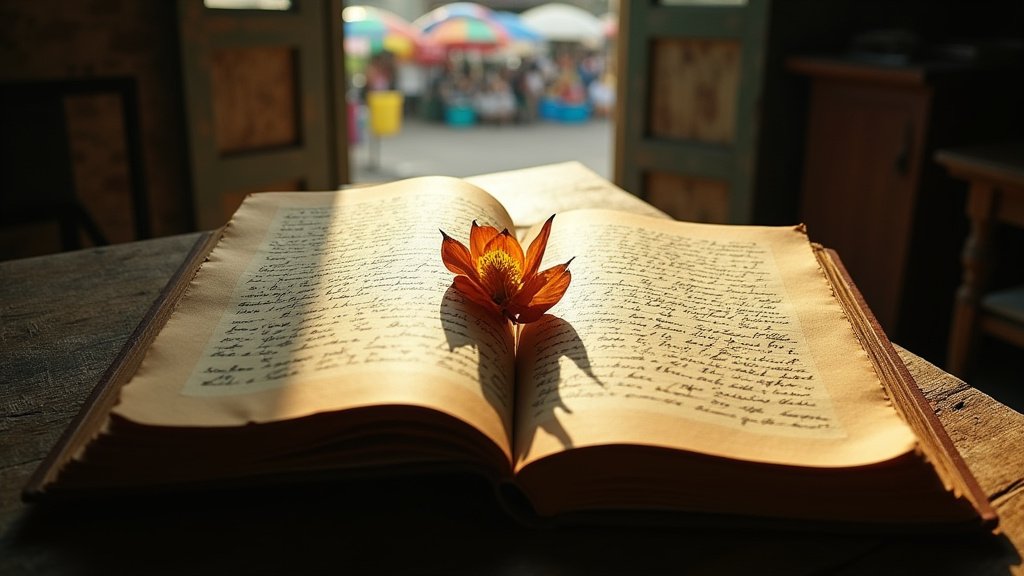
Unearthing Caribbean Narratives
The Caribbean People: A Multimedia Oral History Project stands as a vital initiative dedicated to the preservation and dissemination of knowledge concerning the Caribbean. This ambitious undertaking employs a community storytelling approach to collect and archive the diverse experiences of individuals and groups actively engaged in preserving Caribbean heritage. The project’s scope is broad, encompassing critical areas such as history and culture, environmental health, climate justice, community development, decolonial education, literacy, and information freedom. By centering the voices of those directly involved, the project aims to create a rich tapestry of oral histories that reflect the multifaceted realities of the Caribbean.
Key Highlights:
- Mission: To archive and democratize knowledge about the Caribbean through multimedia oral histories.
- Methodology: Employs a community storytelling approach to gather authentic narratives.
- Scope: Covers history, culture, environmental issues, community development, education, and information freedom.
- Impact: Aims to provide a platform for voices often overlooked and to foster a deeper understanding of Caribbean life and resilience.
Documenting Diaspora and Resilience
The importance of oral histories in understanding the Caribbean diaspora is further highlighted by initiatives like the “Caribbean Diaspora Oral Histories” collection from the University of Miami. This project documents the contributions and migration stories of people of Caribbean ancestry in the United States, detailing the challenges they face. The collection features interviews with individuals from diverse Caribbean nations, including Colombia, Cuba, Haiti, Jamaica, Nicaragua, and Puerto Rico, offering a poignant look at displacement and adaptation.
Cornell University’s “Class gathers oral histories of Caribbean residents in Brooklyn” project, conducted in 2017, also underscores the significance of capturing these narratives. Students engaged with Caribbean immigrants in Brooklyn, recording their life stories and exploring the impact of gentrification on the community. This initiative aimed to ensure that the voices and experiences of Caribbean immigrants were reflected in broader representations of their communities, particularly in areas like Flatbush and Crown Heights, which have seen significant cultural and economic shifts.
Preserving Stories Against Climate Change and Change
The “Caribbean Oral History” initiative by the Southeast Climate Adaptation Science Center (SE CASC) focuses on the resilience of Caribbean communities, particularly in Puerto Rico and the U.S. Virgin Islands, in the face of extreme weather events and climate change. By recording the oral histories of resource managers, the project captures invaluable knowledge about past storms, droughts, and their impacts on ecosystems and communities. These narratives serve as a crucial tool for learning from the past and developing strategies for future resilience, offering insights into the science needs of natural resource communities.
The Power of Spoken Word
Oral traditions are deeply ingrained in Caribbean culture, as explored in “The Caribbean Oral History Tradition” on YouTube. This tradition emphasizes personal stories passed down through generations, serving as vital disseminators of knowledge, especially in contexts where literacy might be a challenge. More importantly, these oral histories provide powerful connections to ancestral knowledge, folklore, and family legacies. The spoken word, with its inherent emotion and performance aspect, brings these stories to life in a way that written text often cannot, offering a more profound and immersive understanding of heritage.
Afro-Caribbean Identity and Belonging
“Afro-Caribbean and/in ‘Black America.’ An Oral History Project: Becoming Black” delves into the experiences of Afro-Caribbean immigrants in New York City. This project meticulously documents and preserves their histories, stories, and experiences as integral parts of the broader Black experience in the United States. By centering the voices of Afro-Caribbean immigrants, the project explores their process of identity formation, their understanding of Blackness, and how they navigate racialization within the American context. It highlights the complex linkages between identity and Black identity, offering a nuanced perspective on the immigrant experience and the construction of belonging in a diasporic space.
A Multitude of Voices
The “The Caribbean People Podcast,” produced by the Create Caribbean Research Institute, is a significant component of a larger oral history project. It features stories from ordinary Caribbean people who play critical roles in producing, preserving, and sharing knowledge about Caribbean life, history, and culture. The podcast covers a wide range of topics, including history, culture, environmental health, climate justice, anti-poverty efforts, education, and information freedom, providing an accessible platform for diverse voices.
These various oral history projects, from academic institutions to community-led initiatives and podcast series, collectively weave a rich and intricate narrative of the Caribbean people. They underscore the profound value of personal testimony in understanding history, culture, identity, and resilience in the face of contemporary challenges. The “The Caribbean People: A Multimedia Oral History Project” is a testament to the enduring power of stories to connect generations and preserve a vibrant cultural legacy.
FAQ: People Also Ask
What is the primary goal of “The Caribbean People: A Multimedia Oral History Project”?
The primary goal is to archive and democratize knowledge about the Caribbean by collecting and preserving the personal stories and experiences of individuals and groups involved in areas such as history, culture, environmental health, and education.
How do oral histories contribute to understanding Caribbean diaspora experiences?
Oral histories offer firsthand accounts of migration, challenges, and adaptation, providing invaluable insights into the lives and contributions of Caribbean people in their new environments, such as documented in the “Caribbean Diaspora Oral Histories” collection.
In what ways do oral histories help communities build resilience?
By recording testimonies of past events, like extreme weather or droughts, oral histories preserve valuable knowledge and lessons learned, which can then be used to develop strategies for future resilience and adaptation, as seen in projects focused on climate change impacts.