
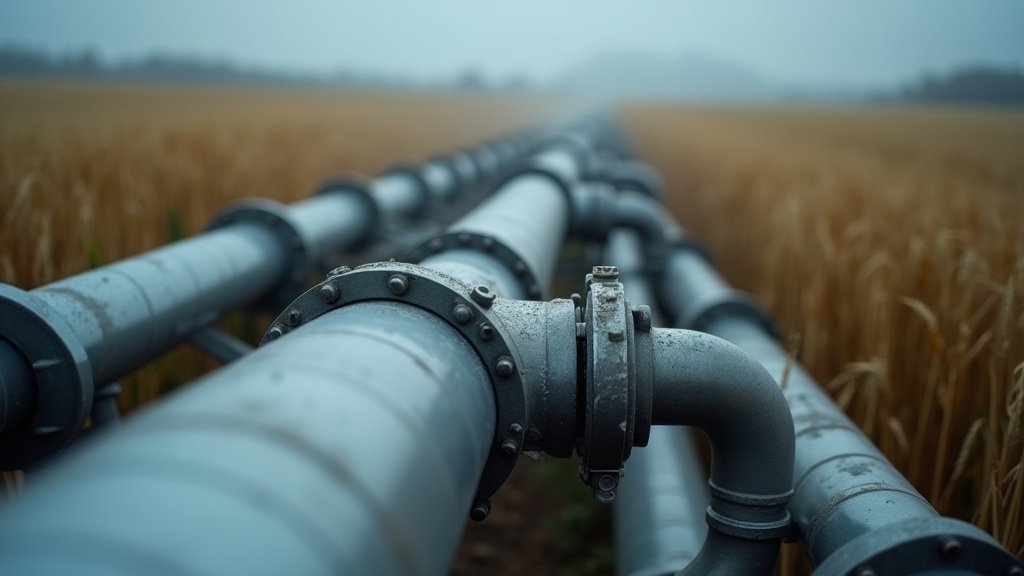
The Looming Agricultural Crisis
The specter of a global fertilizer shortage has resurfaced, driven by mounting geopolitical tensions in the Middle East that threaten to disrupt vital supply chains. As energy markets react to regional volatility, the agricultural sector—which relies heavily on natural gas, a key feedstock for nitrogen-based fertilizers—is bracing for significant disruption. Analysts warn that if current trends persist, the resulting supply squeeze could fundamentally alter production costs for essential staple crops worldwide, placing immense upward pressure on food prices for consumers already grappling with inflationary challenges.
Impact on Global Agricultural Markets
Modern industrial agriculture is deeply intertwined with the energy sector. Ammonia, the foundation of most nitrogen fertilizers, requires massive amounts of natural gas to produce. When regional conflicts erupt in areas that are either major producers or crucial transit points for energy, the immediate effect is a spike in commodity prices. This phenomenon creates a cascading effect: higher input costs force farmers to either reduce fertilizer application, which lowers crop yields, or pass those expenses on to consumers, further straining household budgets.
Historically, market reactions to regional instability are swift. If production facilities are compromised or shipping lanes—such as those critical for transporting agricultural inputs—face blockades or increased insurance premiums, the global market for fertilizer enters a state of panic buying and hoarding. This behavioral change exacerbates the underlying physical shortages, leading to extreme price volatility. For developing nations, this is particularly devastating, as agricultural productivity is often the backbone of economic stability and food security.
Analyzing the Supply Chain Bottlenecks
Beyond direct production, the logistics of global trade represent a significant vulnerability. Fertilizer is a bulky commodity that requires efficient, uninterrupted maritime logistics. Increased security risks in key maritime chokepoints can lead to rerouting, massive shipping delays, and astronomical freight rate increases. When combined with the high cost of raw materials, these logistical hurdles make fertilizers unaffordable for smallholder farmers in vulnerable regions. This scenario risks creating a bifurcated market where high-tech, well-capitalized farms survive while smaller operations face bankruptcy or significant harvest reductions.
Furthermore, the fertilizer market is highly concentrated, with a small number of nations controlling the majority of global supply. Any political move by these major players to prioritize domestic security over exports can trigger a domino effect. As countries implement export restrictions to protect their own food supply, the international market shrinks, creating a self-fulfilling prophecy of scarcity. This protectionist trend is perhaps the greatest threat to global food security in the current climate.
Long-Term Sustainability and Diversification
While the current situation highlights the fragility of our dependence on conventional fertilizer supply chains, it also accelerates the conversation regarding long-term resilience. Policymakers are now forced to consider the strategic importance of fertilizer autonomy. This involves exploring more diversified sourcing, investing in precision agriculture that requires fewer chemical inputs, and potentially subsidizing organic or alternative fertilization methods that are less tethered to the volatile natural gas market.
Transitioning away from this dependency is a massive, multi-year undertaking. In the short term, however, governments are likely to focus on strategic stockpiling and diplomacy to ensure that essential agricultural inputs remain flowing. The reality remains that the world’s population continues to grow, and our ability to feed it is becoming increasingly hostage to the political stability of regions that are currently experiencing significant upheaval. The coming seasons will be critical in determining whether these market threats materialize into a full-scale food security crisis or if international interventions can stabilize the supply chains before the next major planting cycle commences.
FAQ: People Also Ask
Why does conflict in the Middle East impact fertilizer prices?
Nitrogen fertilizer production is heavily dependent on natural gas, which is a major energy commodity in the Middle East. Geopolitical instability often leads to energy price spikes and potential supply chain disruptions, which directly drive up the production costs for fertilizer manufacturers.
How will this affect consumer grocery bills?
When farmers face higher input costs for fertilizer, they often pass these expenses on to the market. This leads to higher commodity prices for crops like corn, wheat, and soy, which eventually translates into higher prices at the grocery store for processed foods, meat, and dairy.
Are there alternatives to chemical fertilizers?
While researchers are exploring precision agriculture and bio-fertilizers to reduce dependency on synthetic products, there is no immediate, large-scale replacement that can match the yields produced by nitrogen-based fertilizers. Transitioning to sustainable alternatives is a long-term strategic goal rather than a short-term fix.