
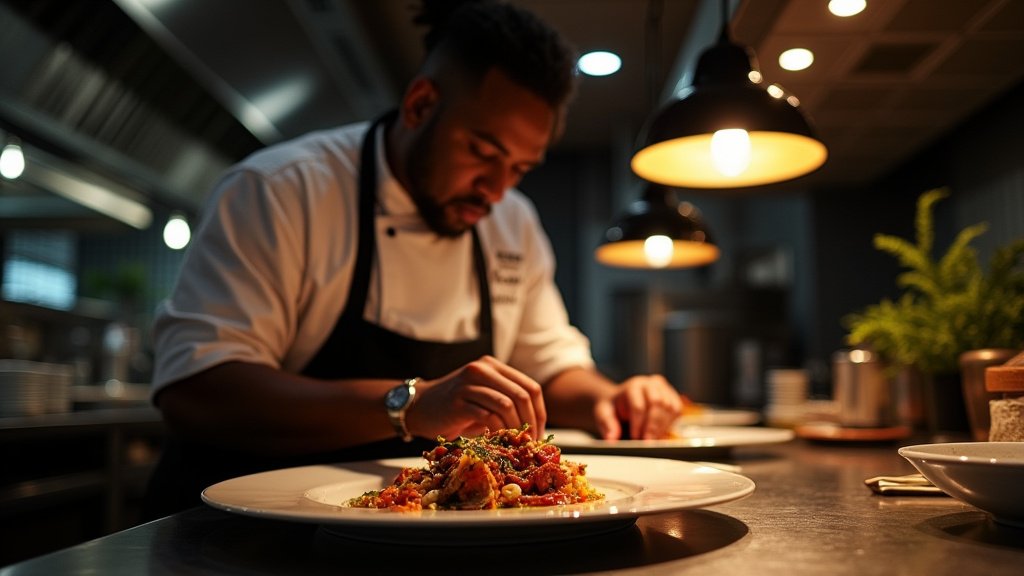
The narrative of Caribbean gastronomy is shifting rapidly in 2026, moving away from the limiting labels of ‘vacation food’ toward a sophisticated, globally competitive culinary identity. Major initiatives, led by this May’s highly anticipated ‘Food, Wine & Fete’ in Miami and the expansive Antigua and Barbuda Culinary Month, are anchoring a new movement that treats Caribbean heritage not just as a commodity, but as a prestigious cultural force.
Key Highlights
- Miami’s Immersive Wave: ‘Food, Wine & Fete’ returns to Historic Virginia Key Beach Park on May 16, 2026, integrating high-end Soca culture with a curated, multi-sensory culinary journey.
- Antigua’s Culinary Powerhouse: The Antigua and Barbuda Culinary Month (May 2026) returns for its third year, featuring an ‘Avengers’ lineup of chefs from the U.S., U.K., and Canada.
- The Rise of Fusion: Leading chefs are aggressively blending traditional island techniques with avant-garde global flavors to create a new, refined culinary language.
- Economic Impact: Tourism boards are increasingly leveraging gastronomy as a primary driver for luxury travel, signaling a shift in marketing strategy across the Caribbean basin.
The New Culinary Diplomacy: A Region on the Menu
For decades, Caribbean cuisine was often distilled into a singular experience for the tourist: jerk chicken, rum punch, and beachside snacks. In 2026, that monolithic narrative is being dismantled by a new generation of chefs, event producers, and tourism boards who are positioning island flavors as a cornerstone of fine dining. This transition is not accidental; it is a calculated effort to institutionalize the region’s food culture through festivals that act as ‘cultural embassies.’
The Festival as a Catalyst
The return of Food, Wine & Fete in Miami serves as a perfect microcosm of this shift. Far from a standard food show, the event—founded by Vanessa James and Marcos Rodriguez—operates as a high-concept activation. By mapping the region through ‘Foodie Avenue’ and immersive destination-specific lounges, the organizers are creating an environment where culinary entrepreneurship is front and center. This is the ‘experience economy’ at work: attendees are not just consuming a meal; they are engaging in a narrative about the diaspora’s diversity.
Chef-Led Innovation
The talent behind these events is equally critical. The 2026 calendar includes stars like Nina Compton and Tristen Epps, who have successfully translated the bold profiles of their heritage into James Beard-recognized and critical acclaim. When these chefs return to their home islands or participate in regional festivals, they bring a ‘global-local’ synthesis. They are using refined techniques to honor ‘ground provisions’—the indigenous root vegetables and starches of the Caribbean—and transforming them into menu items that can sit comfortably on a white-tablecloth table in London, New York, or Paris.
Tourism and the ‘Foodie’ Traveler
The Antigua and Barbuda Tourism Authority has leaned heavily into this trend. By launching their culinary month and successfully branding themselves as a top culinary destination, they are capturing the ‘gastronomic tourist’—a demographic that stays longer, spends more, and seeks authentic cultural immersion rather than standard resort packages. This strategy moves the destination away from price-sensitive competition with other sun-and-sand locations and toward a value-added proposition rooted in culinary exclusivity.
The Economic and Cultural Ripple Effect
Beyond the festivals, this culinary movement has profound implications for regional economies. As festivals demand higher-quality local sourcing, they drive investment back into local agriculture, artisanal production, and small-batch processing. This ‘farm-to-festival’ pipeline is essential for sustainable development. When tourism boards fund these initiatives, they aren’t just buying ad space; they are building infrastructure that supports the local food value chain.
The Diaspora as Brand Ambassador
There is also a deeper, symbolic importance to this movement. The Caribbean diaspora, particularly in the U.S. and the U.K., acts as a perpetual marketing machine. When events like Food, Wine & Fete successfully bridge the gap between Soca culture and haute cuisine, they are creating a blueprint for how other cultural traditions can export their unique identities. The goal is no longer just to replicate international culinary standards, but to dictate them.
Future Predictions
Looking beyond the 2026 season, expect to see more ‘residency’ programs where regional chefs swap kitchens across the Caribbean, creating a network of flavor exchange. Furthermore, as the ‘Caribbean Culinary’ category matures, we are likely to see the emergence of a Michelin-equivalent rating system specifically designed for island gastronomy, focusing on the preservation of heritage techniques in a modern context.
FAQ: People Also Ask
Q: What is driving the sudden boom in Caribbean culinary festivals?
A: The growth is driven by a combination of diaspora-led entrepreneurship, strategic investment from tourism boards, and a global consumer trend that values authentic, culturally rooted ‘story-driven’ dining experiences.
Q: How is Caribbean cuisine changing for the modern palate?
A: The trend is toward ‘elevated fusion.’ Chefs are retaining traditional flavors—such as Scotch bonnet, allspice, and coconut—while applying modern culinary techniques, resulting in more sophisticated textures and presentations suitable for high-end dining.
Q: Can I visit these festivals if I am not a professional culinarian?
A: Yes, these events are designed for the public. Festivals like Food, Wine & Fete and Antigua’s FAB Fest are built to be immersive, welcoming experiences for locals and tourists, often blending food with music, art, and nightlife.
Q: Why does the Caribbean culinary scene emphasize ‘local sourcing’?
A: It is both a matter of quality and sustainability. Using locally sourced ‘ground provisions’ and fresh seafood ensures the flavor profiles are authentic, and it significantly boosts the local economy by supporting Caribbean farmers and artisans.