
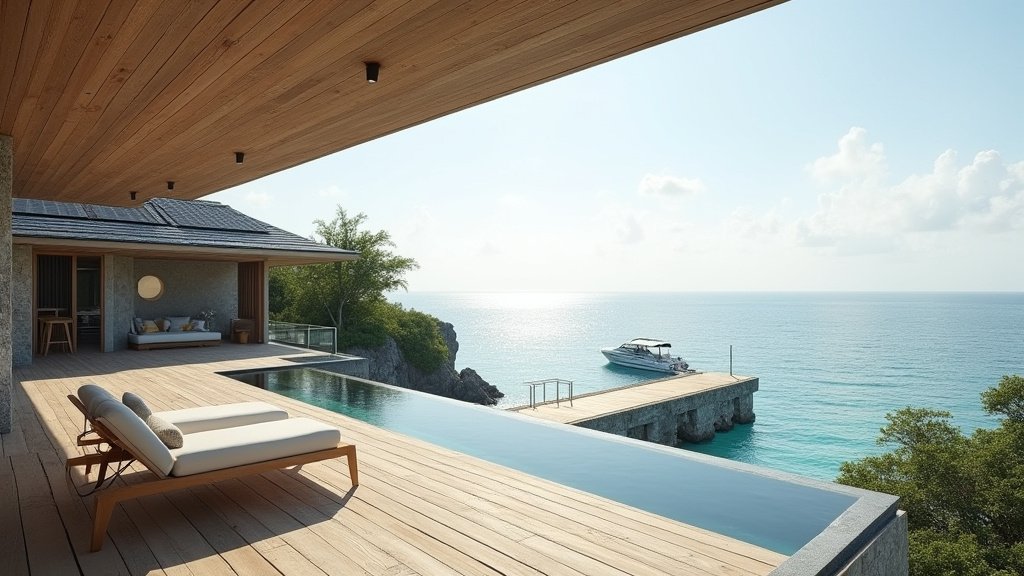
In the hyper-competitive landscape of Caribbean tourism, where success is often measured by the volume of cruise ship arrivals and resort density, Anguilla has chosen a defiant path: deliberate, understated expansion. As of April 2026, the island is witnessing a significant surge in interest, with record-breaking visitor numbers in the first quarter of the year. Yet, for the discerning traveler, the quintessential Anguillan promise of “space, privacy, and tranquility” remains surprisingly intact. This is the story of how an island managed to accelerate its economic growth while stubbornly refusing to become a crowded tourist trap.
The Data Behind the Calm
The narrative of Anguilla’s 2026 success is written in the numbers, but interpreted through the lens of luxury. According to the Anguilla Statistics Department, visitor arrivals in early 2026 saw double-digit percentage increases compared to 2025. This surge is not accidental; it is the result of a coordinated effort to improve air access and infrastructure. The introduction of the Clayton J. Lloyd International Airport (AXA) terminal upgrades, coupled with new non-stop flight routes from the U.S. Northeast and the recent launch of a direct Trans Anguilla Airways route to Tortola, has made the island more accessible than ever before. However, the island’s leadership, including the Anguilla Tourist Board, is hyper-aware of the “over-tourism” trap that has plagued neighbors in the region. The strategy has been to prioritize high-net-worth tourism that values the island’s environment as much as its amenities.
The Infrastructure of Understated Luxury
While other destinations are expanding horizontally with mass-market hotels, Anguilla’s development pipeline is strikingly vertical in ambition—if not in height. The most significant project on the horizon is the development of Port Nimara, a megayacht marina at the island’s South West End. Unlike traditional marinas that dominate coastal landscapes with concrete and noise, Port Nimara is being positioned as a quiet, exclusive gateway. The project, which includes a low-density Equinox Resort and private residences, signals a shift toward a “maritime luxury” model. It is designed to act as a port of entry that integrates customs, immigration, and concierge services within a private environment, effectively channeling affluent travelers into a controlled, high-end ecosystem rather than into the island’s public infrastructure.
Sustainability as a Business Model
It is no longer enough for a Caribbean destination to offer blue water and white sand; travelers in 2026 demand environmental stewardship. Anguilla has integrated this into its growth narrative. Developments like Beach Enclave Anguilla and existing properties like Tranquility Beach are setting new standards. The push for off-grid operations via rooftop solar, water conservation systems, and the preservation of coastal mangroves isn’t just eco-conscious—it is a competitive necessity. By marketing its commitment to the environment, Anguilla attracts a demographic that is willing to pay a premium for a destination that respects its own ecosystem. This “luxury-eco” model is proving to be the island’s most effective defense against the dilution of its brand.
The Cultural Shield
Beyond the physical infrastructure, there is a cultural resilience at play. The island’s identity is built on a foundation of local heritage—culinary excellence, music, and community-led tourism. The Anguilla Summer Festival and the ongoing expansion of local “culinary chapters” at properties like Manoah Boutique Hotel ensure that the guest experience remains grounded in Anguillian culture rather than generic international luxury. By involving local residents in the development of these spaces—such as the recent focus on training local staff for the specialized roles at the upcoming Port Nimara—the island ensures that the economic benefits of tourism remain within the community, preventing the hollowed-out “resort enclave” phenomenon seen elsewhere.
Future Predictions: Connectivity and Exclusivity
Looking toward 2027 and beyond, the trajectory for Anguilla seems clear: an increase in connectivity with a decrease in density. We can expect to see more “hub-and-spoke” tourism, where Anguilla serves as the base of operations for travelers who use private aviation and boutique water transfers to explore the broader Caribbean. The island is essentially positioning itself as the “quiet center” of the Eastern Caribbean. As long as the Anguilla Tourist Board and private developers continue to balance their growth with the preservation of their “uncrowded” brand, they will likely remain the premier destination for those who want to experience the Caribbean without the chaos of mass tourism.
FAQ: People Also Ask
Q: Is Anguilla becoming too expensive for the average traveler?
A: While Anguilla has positioned itself as a luxury destination, it offers a diverse range of accommodations. While high-end resort prices are rising due to increased demand and infrastructure improvements, there are still boutique hotels, guesthouses, and villa rentals that provide value for travelers who book during the shoulder seasons (April through August).
Q: How does Anguilla compare to other nearby islands like St. Barths or St. Maarten?
A: Anguilla is distinctly quieter and more “low-key” than its neighbors. While St. Maarten is a hub for cruise ships and nightlife, and St. Barths is known for its high-octane social scene, Anguilla is the antidote—focusing on serene, uncrowded beaches, private villa living, and intimate dining experiences. It is intentionally designed for those seeking seclusion rather than spectacle.
Q: What is the best way to get to Anguilla in 2026?
A: Accessibility has improved significantly. Travelers have more options than ever, including direct flights into Clayton J. Lloyd International Airport (AXA), regional flights via Trans Anguilla Airways (such as the new Tortola link), and the classic route of flying into St. Maarten followed by a private luxury boat transfer. Booking through a local concierge or specialist agency is highly recommended to streamline the logistics of these multi-modal arrivals.