
WASHINGTON D.C. – The United States military has intensified a campaign of airstrikes against vessels in the Caribbean Sea and Eastern Pacific, targeting alleged drug traffickers and designated narcoterrorist organizations. Launched in September 2025, the offensive has resulted in a significant death toll and has heightened geopolitical tensions, particularly with Venezuela, sparking international scrutiny and legal debates.
Escalating Offensive and Rising Casualties
Operation Southern Spear, formally announced by Defense Secretary Pete Hegseth, has seen the U.S. military conduct over 20 strikes on suspected drug-smuggling boats since early September. As of mid-November 2025, these operations have led to the deaths of at least 80 to 83 individuals across approximately 20 to 21 incidents, with 11 strikes occurring in the Caribbean Sea and the remainder in the Eastern Pacific. The U.S. administration, led by President Donald Trump, claims these vessels were operated by groups designated as foreign terrorist organizations, including Venezuela’s Tren de Aragua and Colombia’s National Liberation Army (ELN). However, the White House has not publicly provided evidence to substantiate these allegations. Two survivors from a strike on an alleged narco-submarine in October were captured and later repatriated.
Military Buildup and Geopolitical Standoff
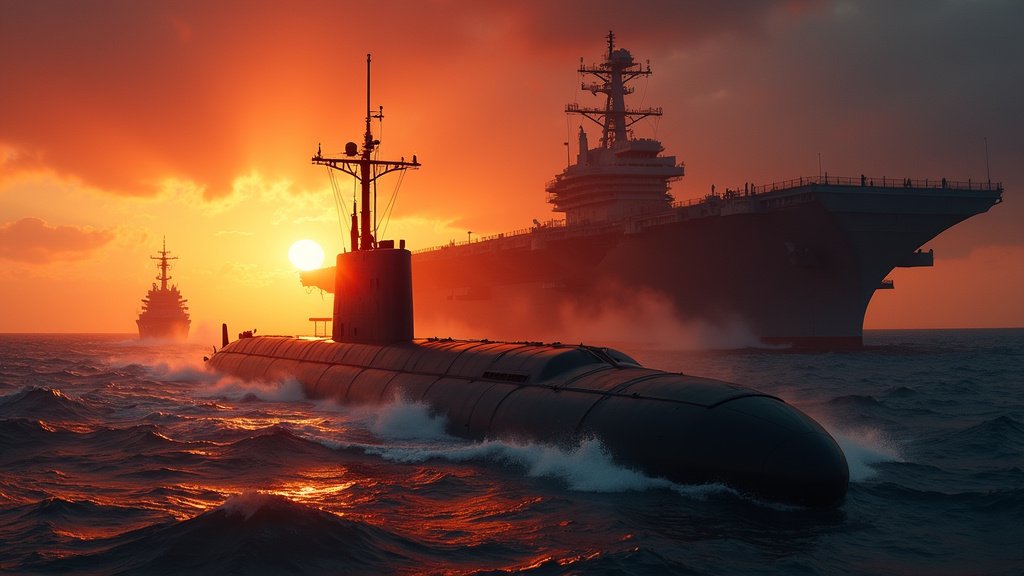
The strikes have coincided with a substantial U.S. military buildup in the region. Naval Station Roosevelt Roads in Puerto Rico, shuttered in 2004, has been reactivated and serves as a key staging area for air and naval assets. This includes the deployment of F-35 fighter jets, B-52 bombers, and a significant naval armada, headlined by the arrival of the USS Gerald R. Ford carrier strike group. The U.S. military presence now involves an estimated 10,000 to 12,000 personnel. This military posture is seen by many as part of a broader pressure campaign against Venezuelan President Nicolás Maduro, whom the U.S. accuses of being a “narco-terrorist” and leading a “criminal enterprise.” The U.S. has also increased the bounty for information leading to Maduro’s arrest. Venezuela has denounced the U.S. actions as “imperialist provocation” and an attempt at regime change, responding with its own military mobilizations.
International Condemnation and Legal Questions
The legality and human cost of the strikes have drawn sharp criticism from international bodies and some U.S. allies. United Nations human rights experts have warned that the use of lethal force in international waters without a clear legal basis constitutes “extrajudicial executions” and may violate the UN Charter. UN High Commissioner for Human Rights Volker Türk has called for an investigation into the strikes. The French Foreign Minister has also voiced concerns, stating the operations disregard international law and could destabilize the Caribbean region. Colombia’s President Gustavo Petro has openly objected, suspending intelligence sharing with U.S. security agencies over the ongoing attacks. Some reports suggest the United Kingdom has also paused intelligence sharing due to concerns over legal liability, a claim denied by U.S. Secretary of State Marco Rubio.
U.S. Justification and Shifting Narratives
Secretary of Defense Pete Hegseth has defended the operations, stating that the targeted groups “have killed more Americans than Al-Qaeda” and will be treated similarly. President Trump has justified the strikes by asserting that the United States is in an “armed conflict” with drug cartels. However, questions persist among lawmakers, including some Republicans, regarding the evidence and the legal justification for targeting vessels and causing fatalities without formal judicial process. The Trump administration maintains its right to defend national security, with Secretary Rubio asserting that “Europeans don’t get to dictate how Washington defends its national security.”
Broader Implications for the Caribbean News Cycle
This ongoing military action represents a significant shift in U.S. counter-narcotics policy, moving from law enforcement to direct military engagement. The increased U.S. military presence and kinetic operations are reshaping the security landscape of the Caribbean, impacting regional diplomacy and contributing to a volatile news cycle. The cultural fabric of the Caribbean, often a crossroads of international interests, faces renewed pressure as major powers engage in heightened military and political maneuvering. The long-term consequences for regional stability, international law, and the fight against drug trafficking remain uncertain as the situation continues to develop.