
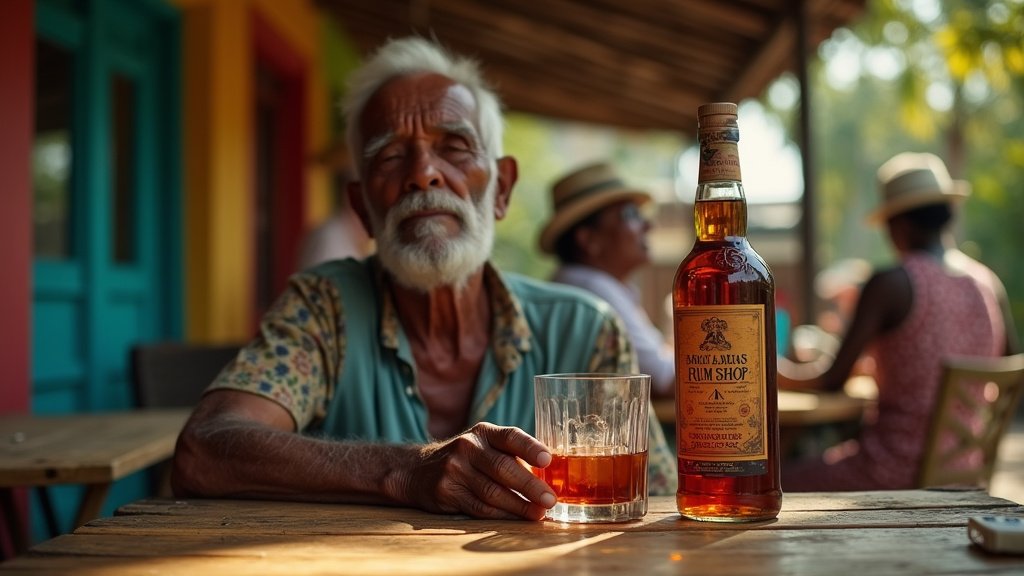
For many, the word “rum” conjures images of sun-drenched beaches, lively music, and festive celebrations. Yet, this iconic spirit is far more than a mere beverage; it is a complex historical artifact, a cultural cornerstone, and a powerful symbol deeply interwoven into the identity of the Caribbean. From its humble beginnings as a byproduct of brutal plantation economies to its current status as a global ambassador for island culture, rum’s journey is a narrative of exploitation, resilience, resistance, and profound cultural evolution.
The Bitter Roots of a Sweet Spirit
The story of rum is inextricably linked to the rise of sugar plantations across the Caribbean, beginning in the 17th century. European colonization brought sugarcane, and with it, the transatlantic slave trade. The production of sugar generated vast quantities of molasses, a sticky byproduct initially considered waste. It was on these very plantations, worked by enslaved Africans under horrific conditions, that the transformative process of fermenting molasses into alcohol was discovered. For those forced into labor, rum held a dual meaning: it was a product of their suffering, yet limited amounts could offer a temporary, albeit fleeting, escape from the brutal realities of their existence. This contradictory origin story casts a long shadow, highlighting how the spirit’s initial rise was built upon the backs of the enslaved.
Fueling Economies and Revolutions
By the 18th century, rum had become a critical engine of the colonial economy. It was a key commodity in the infamous triangular trade, used to purchase enslaved people in Africa, who were then transported to the Caribbean to produce more sugar and molasses for rum production. This cycle fueled the wealth of European powers and shaped the demographic and economic landscape of the islands for centuries. Beyond its role in commerce, rum also became a potent symbol of resistance. Rum shops, often serving as informal gathering places, became clandestine hubs for discussions of freedom and the planning of rebellions. From the Haitian Revolution to various independence movements, rum was present, fortifying spirits and fueling the fight against colonial oppression. As nations gained independence, national rum brands emerged as potent symbols of cultural pride and sovereignty.
The Rum Shop: Heartbeat of the Community
Perhaps no institution better embodies rum’s social impact than the rum shop. These establishments, often simple and unpretentious, evolved beyond mere places to drink into vital social centers and the true heart of community life across the Caribbean. Unlike bars elsewhere, rum shops served as informal meeting places where locals shared news, debated politics, played games like dominoes, and forged connections. They became democratic forums, places where diverse individuals could interact and where local narratives were exchanged. This tradition of “liming” – a relaxed social gathering often lubricated by rum – became a hallmark of Caribbean social interaction, fostering a unique sense of camaraderie and belonging.
A Voice in the Narrative: Music, Literature, and Stories
Rum’s influence permeates the creative output of the Caribbean. The spirit has inspired countless calypso and soca songs, becoming synonymous with the vibrant rhythms and celebratory spirit of carnival. In literature, rum often serves as a complex metaphor, appearing in novels by acclaimed authors like V.S. Naipaul and Jean Rhys to explore themes of identity, colonialism, and social commentary. Oral traditions and stories passed down through generations frequently feature rum, cementing its place in the collective memory. Furthermore, rum holds spiritual significance in various Afro-Caribbean religious practices, used as libations and offerings in ceremonies, connecting the living to ancestors and deities.
Modern Melodies and Global Currents
Today, rum is a major economic driver for many Caribbean nations, with tourism increasingly centered around distillery tours and cultural experiences. Many producers are actively working to present more nuanced narratives, acknowledging the complex, often painful, history while celebrating the spirit’s evolution and the craftsmanship involved. The global perception of rum, while sometimes simplified to beachside cocktails, is increasingly sophisticated, with a growing appreciation for aged spirits and artisanal production. Modern scholarship and books like “Modern Caribbean Rum” delve deep into the production, history, and business of rum, highlighting how historical context continues to shape contemporary practices.
Conclusion
Rum in the Caribbean is more than just an alcoholic beverage; it is a potent symbol of resilience, identity, and shared history. Its journey from a byproduct of a brutal colonial system to a celebrated cultural icon mirrors the region’s own path of transformation. It is a spirit that has fueled economies, inspired revolutions, fostered communities, and given voice to countless stories. To truly understand the Caribbean, one must acknowledge the profound and enduring impact of its most famous spirit, a liquid embodiment of its complex past and vibrant present.