
Caribbean Wellness Day 2025: Engaging Communities to Elevate Health and Combat NCDs
Georgetown, Guyana – On September 13, 2025, Caribbean Wellness Day served as a crucial reminder for the region to intensify its collective efforts against the pervasive threat of non-communicable diseases (NCDs). CARICOM Secretary-General Dr. Carla Barnett, in her annual message, underscored the ongoing challenge posed by conditions such as heart disease, stroke, cancer, and diabetes, which continue to be leading causes of illness and death across the Caribbean community. The day’s theme, “Engage. Empower. Elevate. Working Together to Improve Health and Well-Being for All,” highlighted a strategic imperative to foster a healthier future for all citizens.
The Persistent Challenge of NCDs in the Caribbean
Non-communicable diseases represent a significant public health and economic burden for the Caribbean. These conditions account for a substantial proportion of deaths, with cardiovascular diseases, cancer, and diabetes being particularly prevalent. The underlying causes are strongly linked to lifestyle factors: tobacco use, unhealthy diets, physical inactivity, and excessive alcohol consumption. These factors not only erode individual well-being but also hinder economic growth and place immense strain on already stretched healthcare systems. Despite increases in life expectancy, many individuals are living with chronic illnesses, diminishing their quality of life.
The English-speaking Caribbean, in particular, faces one of the highest per capita burdens of NCDs in the Americas. NCDs are responsible for over 75% of all deaths in the region, and for Small Island Developing States like Barbados, the economic ramifications are particularly devastating, with NCD-related illness costing millions annually due to decreased work efficiency and productivity. Globally, NCDs are the leading cause of death, claiming millions of lives prematurely each year, with a significant proportion occurring in low- and middle-income countries. The region is currently off track to meet the global target of a 25% reduction in premature NCD mortality by 2025.
CARICOM’s Multifaceted Approach to Health
CARICOM has long recognized health as a central pillar of its regional development agenda. Guided by the Caribbean Cooperation in Health (CCH) framework, member states have continuously worked to address priority health concerns. The establishment of Caribbean Wellness Day in 2007, following the historic Port-of-Spain Declaration, marked a pivotal moment in uniting the region against the NCD epidemic. This declaration, a “first-in-the-world” summit of Heads of Government dedicated to NCDs, laid out a 15-point plan with 27 commitments to tackle risk factors and improve disease management.
This year’s message from Secretary-General Barnett emphasized the need for new approaches to strengthen public health responses. Initiatives such as “Caribbean Moves,” aimed at promoting active lifestyles, and the HEARTS protocols for managing hypertension and cardiovascular care, are being implemented across member states. Additionally, programs like Mental Health First Aid training for youth leaders and development workers are helping to foster a culture of wellness. Member states are also leveraging legislative and fiscal measures, including taxes on sugar-sweetened beverages and policies for smoke-free environments, to create healthier populations.
The Pan American Health Organization (PAHO) plays a crucial role in supporting these regional efforts. In July 2025, health authorities approved a new 2025-2030 Action Plan for the Prevention and Control of Noncommunicable Diseases (NCDs). This plan advocates for a whole-of-government and whole-of-society approach, focusing on reducing NCD risk factors, integrating NCD management into primary healthcare, and strengthening surveillance systems. It also emphasizes fiscal policies and front-of-package warning labels to encourage healthier choices.
Engaging the Community: Stories of Resilience and Action
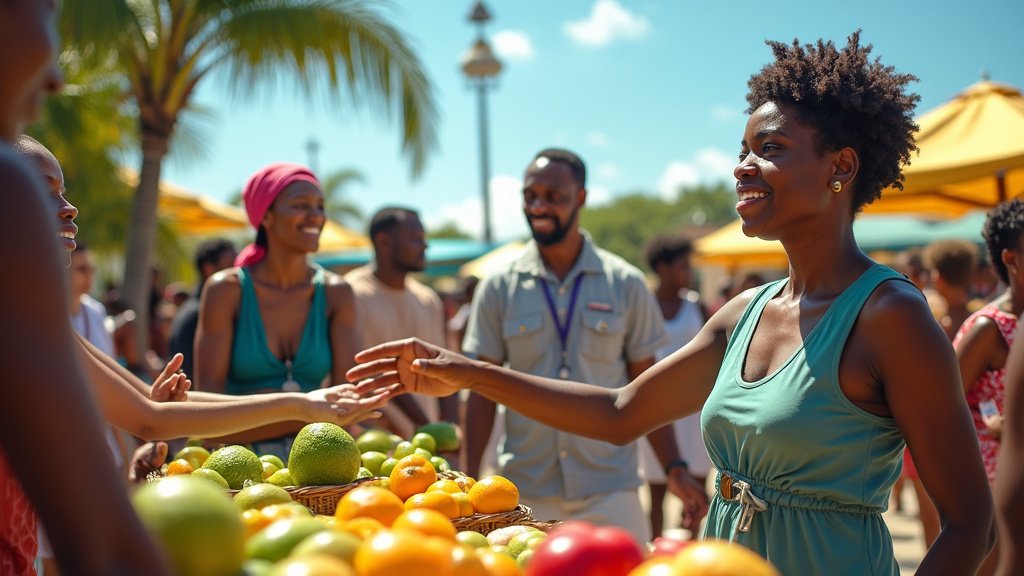
The theme “Engage. Empower. Elevate” underscores the vital role of community involvement in combating NCDs. Caribbean Wellness Day activities, ranging from health walks and bike rides to healthy food fairs, are designed to engage the public directly in promoting healthy living. These events serve not only to raise awareness but also to inspire individual and collective action.
The CARICOM Youth Ambassadors program, for example, highlights how young people are actively contributing to solutions for climate change and health challenges, including promoting sustainable food practices and environmental awareness. These young leaders are demonstrating that proactive engagement within the community is key to fostering sustainable health outcomes. Organizations like the Healthy Caribbean Coalition (HCC) bring together over 50 health NGOs and more than 55 not-for-profit organizations to support civil society’s response to NCDs.
Empowering individuals with knowledge and resources is essential. Many Caribbean countries are working to increase access to diagnosis and treatment for NCDs, though challenges remain in ensuring equitable access and effective management. Initiatives that de-medicalize healthcare and focus on prevention and education, such as health lectures, workshops, and cooking classes, are vital for building healthier communities.
Looking Forward: A Collaborative Path to Well-being
The fight against NCDs is a long-term commitment that requires sustained collaboration among governments, civil society, academia, the private sector, and international partners. As CARICOM Secretary-General Dr. Carla Barnett stated, “We must continue to work together – as governments, civil society, academia, the private sector, and international partners – to create a Community where all people can live longer, healthier, more productive, and more fulfilling lives”.
The region is actively seeking to strengthen international cooperation, as seen in initiatives like the Health Development Partnership for Africa and the Caribbean (HeDPAC), which aims to enhance South-South cooperation on pressing health challenges and build resilient health systems. While progress has been made, the persistent burden of NCDs means that continued innovation, resource mobilization, and a unified, multisectoral approach are essential to achieving the vision of a healthier Caribbean for generations to come. The journey toward elevating the health and well-being of all people in the Caribbean requires ongoing engagement, empowerment, and a collective elevation of health as a regional priority.