
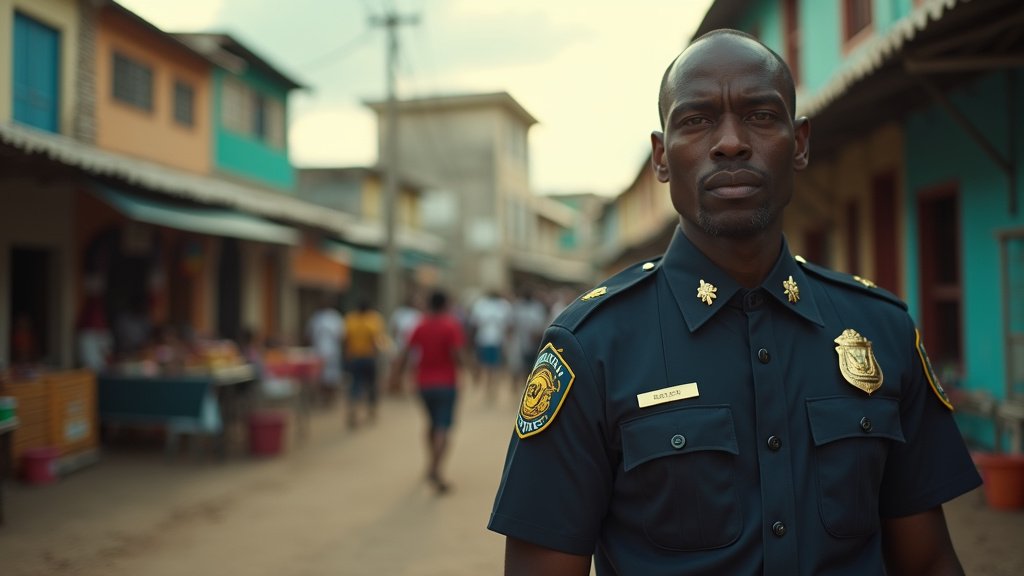
The Caribbean region is abuzz with significant developments today, spanning critical issues of crime, national security, judicial proceedings, and economic policy. Jamaica finds itself battling a severe child trafficking crisis while simultaneously navigating complex legal battles. Meanwhile, Grenada is engaged in a profound national debate over a proposed U.S. military radar installation, and Trinidad and Tobago moves forward with substantial wage increases for its public sector employees.
Jamaica: A Dual Battle – Human Trafficking and Judicial Proceedings
Jamaica is grappling with a deeply concerning rise in human trafficking, with alarming statistics indicating that children are disproportionately affected. Reports reveal that over 80% of human trafficking victims identified in Jamaica between 2020 and 2025 have been children. National Rapporteur on Trafficking in Persons, Diahann Gordon Harrison, highlighted that these victims often range from 11 to 17 years old, a demographic referred to as the “prime shelf life” of a victim, suggesting a long window for exploitation. This exploitation can occur not only through border crossings but also within communities, affecting individuals from low-income backgrounds and even students abroad. The government is implementing strategies across five pillars: prevention, protection, prosecution, partnership, and policy, yet faces challenges such as reduced funding for victim protection services and the need for more robust identification and referral mechanisms among vulnerable groups.
In parallel, the high-profile fraud trial involving former Education Minister Ruel Reid and ex-Caribbean Maritime University (CMU) President Fritz Pinnock continues its determined march through the judicial system. Defense attempts to derail the case, including arguments about procedural errors and the admissibility of evidence, have been consistently rejected by the courts. Most recently, the defense argued that a procedural error concerning the “number one information” document rendered the trial invalid, but Senior Parish Court Judge Sanchia Burrell dismissed this claim, asserting that the indictment itself governs the proceedings. The allegations center on the diversion of millions of dollars in government funds from the Ministry of Education and the CMU between 2016 and 2019. The trial involves Reid, his wife Sharen, their daughter Sharelle, Pinnock, and Jamaica Labour Party Councillor Kim Brown Lawrence, who face multiple charges including breaches of the Corruption Prevention Act and conspiracy to defraud. The case’s progression underscores the judiciary’s commitment to addressing significant financial crimes within the public sector.
Grenada: National Independence and Security at the Forefront
Grenada finds itself at a critical juncture as its government deliberates on a request from the United States to temporarily install radar equipment and deploy military assets on or near the island. Prime Minister Dickon Mitchell has welcomed the extensive public “raging” debate surrounding the proposal, emphasizing that no decision has been made yet and that the matter requires thorough technical and legal review. The proposal, reportedly originating from the U.S. Southern Command, has ignited discussions about national independence and security, with some groups, like the Coalition for a Zone of Peace, urging the government to reject the request, fearing it could compromise the region’s peace. The debate is further colored by geopolitical tensions and concerns over illicit trafficking routes in the Caribbean Basin. Grenada’s government is carefully considering the implications for national sovereignty and public safety, while also acknowledging that such cooperation requests are common for security matters. The outcome remains pending, with the Prime Minister expected to make a formal statement.
Trinidad and Tobago: Economic Measures and Public Sector Gains
In Trinidad and Tobago, the national budget for the upcoming fiscal year signals significant economic adjustments, including a notable increase in public sector wages. Finance Minister Dave Tancoo announced that negotiations for public sector employees’ salaries will begin with a proposed 10% increase. This move aligns with campaign promises and aims to provide economic fairness. The budget also includes adjustments to duties on alcohol and cigarettes, along with other fiscal measures designed to manage the national economy. Earlier, a separate announcement detailed a near 10% increase in the minimum wage for certain public sector employees, effective November 2024, benefiting thousands of workers. These economic strategies underscore the government’s focus on balancing fiscal health with public welfare.
Jamaica: Positive Trends in Law Enforcement
Amidst the ongoing challenges, Jamaica is also witnessing encouraging news on the law enforcement front. The parish of St. Elizabeth has reported its lowest murder count in 25 years, with only 12 homicides recorded up to October 2025, a significant decrease from the previous year. Overall major crime in the division has seen a 14% reduction. This positive trend is not isolated; national crime statistics indicate a substantial decline in major crimes across Jamaica in recent periods, with murders, shootings, and robberies showing significant drops. Police attribute these improvements to enhanced policing strategies, increased use of technology, and strong community partnerships. These developments suggest a growing momentum in public safety efforts across the island.
Sports Update: India Secures Dominant Series Win Over West Indies
In the realm of sports, the West Indies cricket team concluded their tour of India with a challenging two-test series. India asserted dominance, securing a comprehensive sweep by winning both matches. The most recent encounter saw India achieve an innings and 140-run victory in Ahmedabad, following a similarly commanding performance in the first Test. This result adds to the narrative of competitive international cricket in the region today.
Regional Outlook
The diverse array of news emerging from the Caribbean today paints a complex picture of resilience, challenge, and progress. From Jamaica’s urgent fight against child trafficking and its legal system’s tenacity, to Grenada’s crucial deliberations on sovereignty and security, and Trinidad and Tobago’s economic adjustments, the region continues to navigate a dynamic geopolitical and social landscape. The positive shifts in crime reduction in Jamaica offer a glimmer of hope, while the sporting outcome highlights the ongoing international engagements of Caribbean nations.