
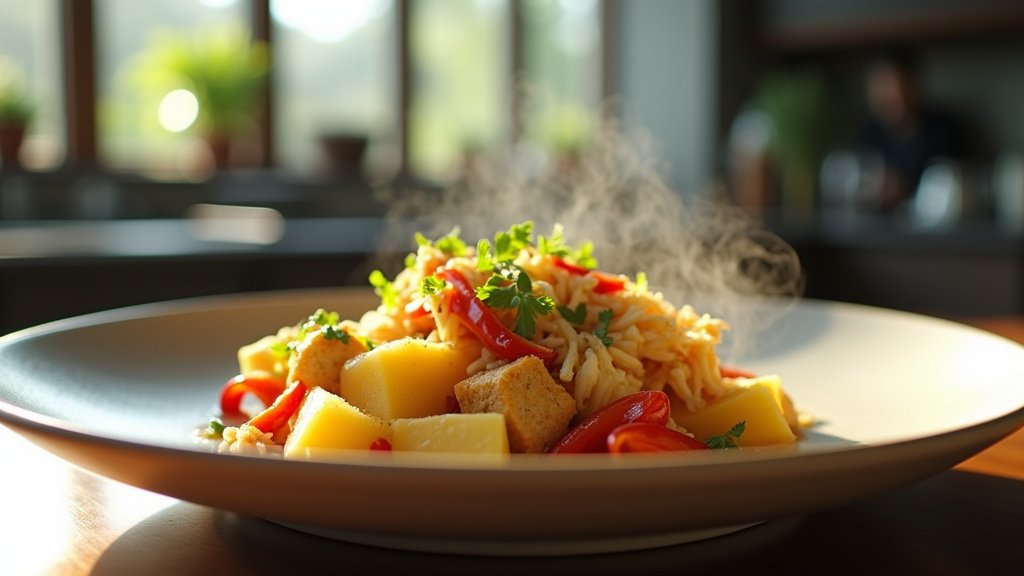
A Taste of Tradition, Reimagined: Vegan Ackee and Saltfish Capture Jamaican Essence
In a culinary landscape increasingly embracing plant-based options, the vibrant flavors of the Caribbean are taking center stage. A significant development in this evolution is the successful veganization of Jamaica’s beloved national dish: Ackee and Saltfish. This news highlights how traditional, deeply symbolic dishes can be thoughtfully adapted, offering an authentic taste of Jamaica to a wider audience today.
The Cultural Significance of Ackee and Saltfish
The story of Ackee and Saltfish is intrinsically woven into Jamaica’s history. Ackee, a fruit native to West Africa, arrived in Jamaica during the 18th century via the transatlantic slave trade. Salted codfish, or saltfish, was introduced by European colonizers as an affordable protein source for enslaved Africans working on sugar plantations. The combination of these imported and adopted ingredients has transformed into a dish that represents resilience, creativity, and the complex cultural fusion that defines the Caribbean. Traditionally served for breakfast, this dish is more than just food; it’s a symbol of national pride and identity.
The Vegan Culinary Revolution: Reimagining the National Dish
The challenge of veganizing Ackee and Saltfish lies in replicating its unique texture and savory profile. The creamy, buttery ackee fruit, often compared to scrambled eggs when cooked, remains a key component. The crucial substitution is for the saltfish. Many contemporary recipes ingeniously use hearts of palm, which, when shredded and seasoned, remarkably mimic the flaky texture and saline tang of codfish. These hearts of palm are often brined with salt, sugar, and sometimes nori or kelp flakes to enhance a subtle sea flavor. The preparation involves sautéing aromatic vegetables like onions, garlic, bell peppers, tomatoes, and the quintessential Scotch bonnet pepper, before gently folding in the ackee and seasoned hearts of palm. This process ensures that the delicate ackee is not overcooked, preserving its characteristic texture.
Beyond the national dish, vegan ackee patties are also gaining popularity. These patties feature a well-seasoned ackee filling encased in a flaky crust, often made with coconut oil for a vegan preparation. The filling commonly includes ackee, onions, garlic, bell peppers, and spices, creating a flavorful, portable taste of Jamaica.
A Broader Landscape of Vegan Caribbean Cuisine
The innovation in veganizing ackee and saltfish is part of a larger, burgeoning trend in vegan Caribbean food. Many traditional Caribbean recipes are naturally plant-forward or easily adaptable due to the region’s abundance of fruits, vegetables, grains, and legumes. The “Ital” diet, popularized by the Rastafari movement, emphasizes natural, pure, whole foods directly from the earth, avoiding processed ingredients and artificial additives. This philosophy aligns perfectly with modern veganism and highlights a long-standing tradition of plant-based eating within Caribbean culture.
Chefs and home cooks are exploring a wide array of vegan Caribbean recipes today. Dishes like jerk jackfruit, plantain curries, callaloo stews, and chickpea curries are celebrated for their bold flavors and hearty textures. Ingredients like plantain, callaloo, sweet potatoes, beans, coconut milk, and a rich medley of spices such as jerk seasoning and allspice are fundamental to this culinary movement.
Leading the Charge in Flavor Innovation
Figures like Chef Denai Moore, author of “Plentiful: Vegan Jamaican Recipes to Repeat,” and young social media sensation Chef Iyah Vegan are at the forefront, reinterpreting classic Jamaican dishes for a vegan audience. Their work, alongside numerous food bloggers and publications dedicated to vegan Caribbean food, amplifies the accessibility and appeal of these vibrant recipes.
The Future is Flavorful and Plant-Based
The growing popularity of vegan ackee and saltfish, and the broader vegan Caribbean food scene, signifies more than just a dietary trend. It represents a celebration of cultural heritage, a commitment to health and sustainability, and an exciting innovation in the world of food. As chefs continue to draw from the rich tapestry of Caribbean flavors, the future promises a delicious, inclusive, and authentic culinary journey for everyone. This news today underscores the enduring appeal and adaptability of Caribbean cuisine.