
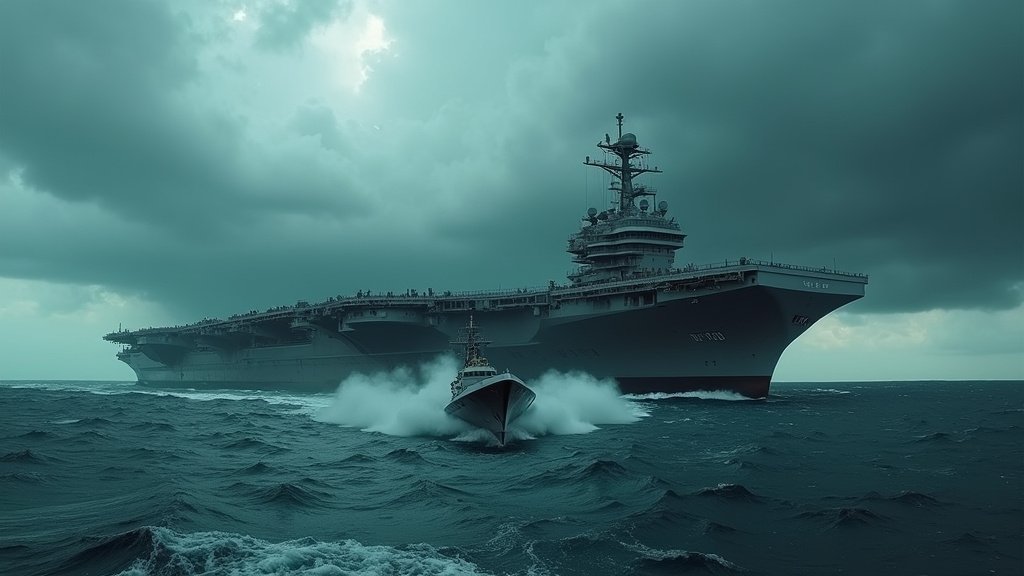
A tropical wave is currently traversing the Caribbean Sea, bringing with it the potential for increased rainfall and gusty winds. While the system shows signs of organization, official forecasts from the National Hurricane Center as of today, November 20, 2025, indicate that tropical cyclone formation is not expected within the next seven days. This news comes at a time of heightened regional tensions, marked by a significant US military buildup and ongoing strikes targeting suspected drug vessels.
Tropical Wave Shows Signs of Organization
The tropical wave, previously designated AL98 in some advisories, is moving westward across the Caribbean. Recent satellite imagery reveals concentrated areas of showers and thunderstorms, indicating an increase in organization. Forecasters had previously anticipated that conditions might become more favorable for development mid-week as the system slowed over the central Caribbean Sea, with some earlier outlooks suggesting a high chance of a tropical depression forming later in the week. However, the latest 7-day outlook from the National Hurricane Center explicitly states that tropical cyclone formation is not expected during the next week.
Immediate Weather Concerns for the Region
Despite the lack of expected development into a named storm, the tropical wave is still expected to bring weather impacts to various parts of the Caribbean. Heavy rain and gusty winds have been forecast for the Windward and Leeward Islands through Monday morning. The system is also projected to contribute to increased moisture and rainfall across Central America [initial context]. Forecasters emphasize that even systems that do not develop into tropical cyclones can still produce significant rainfall and hazardous weather conditions, including rough seas.
Geopolitical Storm Brews in the Caribbean
Simultaneously, the Caribbean region is experiencing a significant geopolitical event: a large-scale US military deployment. This buildup, dubbed “Operation Southern Spear,” involves numerous warships, including the advanced aircraft carrier USS Gerald R. Ford, and approximately 12,000 personnel. Officially, the US Department of Defense states the operation’s objective is to combat drug trafficking and “narco-terrorism”. This campaign has included at least 21 lethal strikes against suspected drug-trafficking vessels since September 2025, resulting in over 80 reported deaths.
Escalating Tensions and International Scrutiny
These US actions have significantly escalated tensions, particularly with Venezuela. President Nicolás Maduro has accused the US of seeking regime change and fabricating conflicts. Venezuela has responded by declaring a state of emergency and mobilizing its forces. The United Nations has become involved, with UN Assistant Secretary-General Miroslav Jenča warning of mounting risks to regional peace and urging both parties to exercise restraint.
Concerns have also been raised by UN experts and international bodies regarding the legality and human rights implications of the US strikes. Critics argue that these operations may violate international law and the UN Charter, emphasizing that drug trafficking should be handled through law enforcement and judicial cooperation rather than unilateral military force. Questions persist about the evidence presented to justify the lethal force used against alleged drug traffickers.
Regional Outlook
As the Caribbean navigates the immediate weather concerns posed by the tropical wave, the region also faces the ongoing repercussions of the escalating geopolitical situation. The confluence of atmospheric and human-driven turbulence underscores the complex challenges facing the Caribbean today. Residents and authorities continue to monitor both the weather forecasts and the regional security developments closely.