
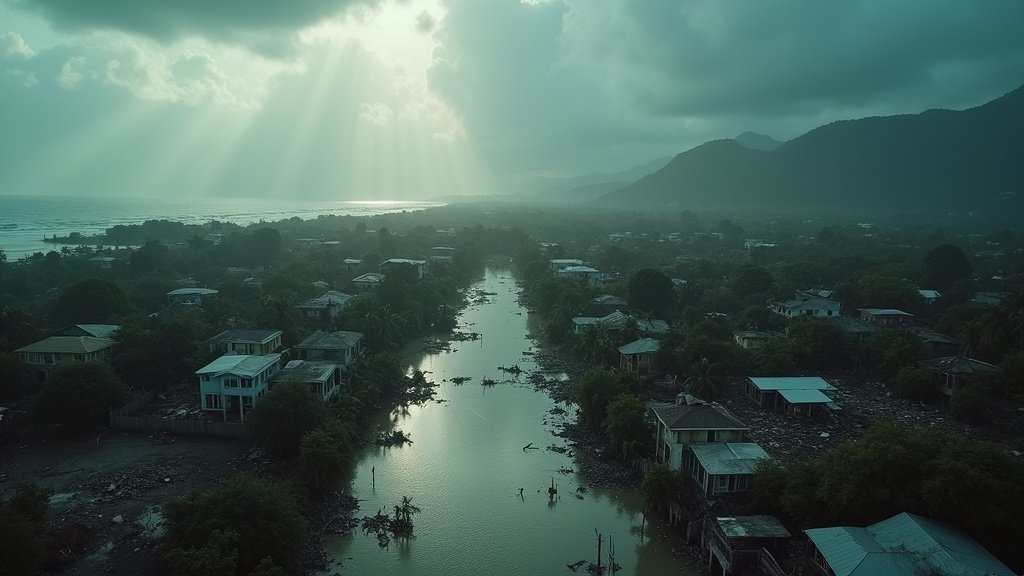
Hurricane Melissa, a monstrous Category 5 storm, has carved a path of historic devastation across the Caribbean, leaving behind widespread destruction, loss of life, and a staggering humanitarian crisis. Emerging as the third Category 5 hurricane of the exceptionally active 2025 Atlantic hurricane season, Melissa has not only rewritten meteorological records but has profoundly impacted the lives and infrastructure of millions across Jamaica, Hispaniola, Cuba, and beyond.
Genesis of a Monster Storm
The meteorological drama began on October 21, 2025, when a tropical wave in the central Caribbean coalesced into Tropical Storm Melissa. Fueled by exceptionally warm sea surface temperatures and diminishing wind shear, the storm underwent rapid intensification, a process that scientists had warned was becoming more likely due to changing climate conditions. Within a short period, Melissa escalated from a moderate tropical storm to a formidable hurricane, and then, alarmingly, into a Category 5 behemoth, showcasing the terrifying potential of modern tropical cyclones.
Hispaniola Faces Initial Fury
Even in its nascent stages as a tropical storm, Melissa began to unleash torrential rains and strong winds across Hispaniola, the island shared by Haiti and the Dominican Republic. Forecasters issued dire warnings of significant flood risks, flash floods, and landslides, which are historically deadly threats in the mountainous terrain of Haiti. In southern Haiti, severe weather-related incidents claimed at least one life and injured several others, even as emergency responders and international aid organizations scrambled to prepare. The Dominican Republic saw schools and businesses close, and many residents in flood-prone areas were urged to seek higher ground. The storm’s deluge caused traffic snarls and canceled events, foreshadowing the more catastrophic impacts to come.
Jamaica Endures a Record-Breaking Catastrophe
The ultimate fury of Hurricane Melissa was unleashed upon Jamaica. On October 28, 2025, the storm made landfall near Black River in the southwestern parish of St. Elizabeth, as a Category 5 hurricane with sustained winds of 185 mph and a record-breaking wind gust of 252 mph recorded by a dropsonde. This intensity made Melissa the strongest hurricane ever to make landfall on the island, surpassing historical storms. The damage was catastrophic: over 122,000 dwellings were demolished or severely damaged, power and communication lines were obliterated, vital infrastructure was destroyed, roads were washed away, and deadly landslides swept through communities. The island’s crucial tourism sector, a significant contributor to its GDP, was devastated. Insured losses are estimated to be in the billions of U.S. dollars, highlighting the immense economic fallout. Millions across Jamaica were left without power for extended periods, and widespread flooding submerged entire communities, with some areas experiencing up to 40 inches of rainfall. The storm’s slow movement initially exacerbated the rainfall and flood threat before its powerful winds began their destructive sweep.
The Storm’s Wrath Spreads Across the Greater Antilles and Beyond
After battering Jamaica, Melissa continued its destructive northeastward track, making a second landfall in Cuba as a still-dangerous Category 2 hurricane on October 29. The storm’s passage over Cuba resulted in the destruction or severe damage to over 60,000 homes, forcing thousands into evacuation centers and posing a continued risk of flooding and landslides. The Bahamas and Turks and Caicos Islands also experienced significant impacts, including hurricane-force wind gusts, power outages, and impassable roads due to debris and flooding. While the U.S. mainland was spared a direct hit, Bermuda experienced hurricane-force winds and heavy rainfall as Melissa moved into the North Atlantic.
A Region Grapples with Recovery and Resilience
The aftermath of Hurricane Melissa has plunged the affected Caribbean nations into a complex recovery and rebuilding phase. The sheer scale of destruction has hampered aid delivery, with damaged infrastructure and communication breakdowns creating significant challenges. The United Nations and partner organizations are mobilizing support, but the immediate needs for food, water, shelter, and medical assistance are immense. In Haiti, the storm deepened existing hardships, impacting food security and agricultural harvests. The long-term economic and social repercussions for the region, particularly for nations like Jamaica heavily reliant on tourism, are profound. This news serves as a stark reminder of the increasing threat posed by powerful tropical cyclones, a phenomenon scientists link to global climate change, which is predicted to make the strongest storms even more intense.
As post-tropical cyclone Melissa eventually weakened and moved into the North Atlantic, its catastrophic legacy remains etched across the Caribbean. The resilience of its people will be tested in the arduous journey towards recovery and future preparedness against the growing power of nature. The events underscore the critical need for robust infrastructure, advanced early warning systems, and effective climate adaptation strategies for vulnerable island nations.