
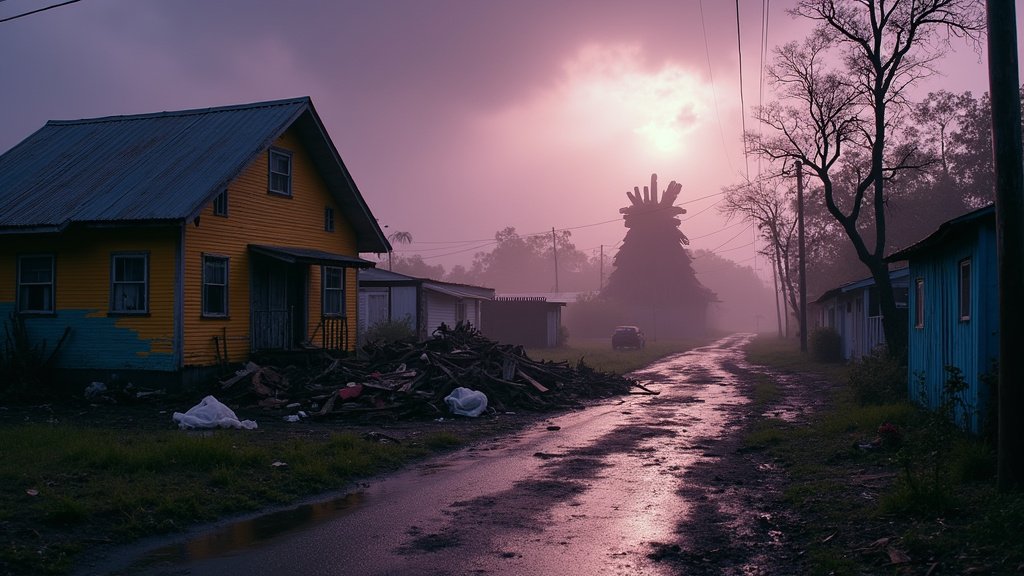
The Caribbean region is grappling with the aftermath of Hurricane Melissa, a catastrophic Category 5 storm that made landfall in Jamaica on October 28, 2025, leaving an unprecedented trail of destruction in its wake. This powerful hurricane, the strongest storm on record to hit the island, has resulted in widespread devastation, significant loss of life, and a daunting recovery effort across multiple nations. The news from today highlights the immense scale of the disaster and the urgent need for regional and international aid.
Jamaica Bears the Brunt of a Record-Shattering Storm
Jamaica experienced the full fury of Hurricane Melissa, making landfall near New Hope, Westmoreland, as a Category 5 behemoth with sustained winds of 185 mph (295 km/h). This colossal storm tied records for the strongest Atlantic hurricane landfall in history, boasting a minimum central pressure of 892 millibars and recorded wind gusts of up to 252 mph (406 km/h). The island nation is facing its most expensive natural disaster, with estimated physical damages reaching a staggering US$8.8 billion, equivalent to roughly 41% of Jamaica’s 2024 GDP.
Residential buildings accounted for 41% of the total damage, followed by infrastructure at 33% and non-residential buildings at 20%, with agriculture suffering an additional 5% in losses. The parishes of St. Elizabeth, St. James, and Westmoreland bore the brunt, suffering US$5.5 billion in damages collectively. Reports indicate that tens of thousands of homes were damaged or destroyed, with entire communities in western Jamaica, particularly in St. Elizabeth and Westmoreland, being decimated. Up to 90% of buildings in some areas were impacted. Power outages were extensive, with at least 75% of the island losing electricity at one point, affecting approximately 530,000 customers.
Communication and transportation infrastructure suffered severe damage, with landslides and collapsed roads cutting off access to many communities. Satellite analysis estimates over 4.8 million tonnes of debris littering western Jamaica, including millions of tonnes of building materials, vegetation, and household waste, further hindering relief efforts and the restoration of vital services.
Regional Devastation: Haiti, Cuba, and Beyond
Beyond Jamaica, Hurricane Melissa’s destructive path extended across the Caribbean. On October 29, the storm made landfall in Cuba’s eastern coast as a Category 3 hurricane, bringing sustained winds of up to 195 km/h (121 mph) and inundating parts of the island with as much as 38 centimeters (15 inches) of rain. Cuba reported significant damage to homes and roadways, prompting the evacuation of over 700,000 people. More than 600 health facilities and 90,000 homes were affected in Cuba.
Haiti, already facing deep-seated instability and violence, has been pushed into an even more dire humanitarian crisis. The nation has reported a significant death toll, with estimates ranging from at least 30 to over 40 lives lost, including children. In the town of Petit-Goâve, more than 160 homes were damaged and 80 destroyed, with some reports indicating that people lost everything. Thousands of homes across Haiti were flooded or destroyed, leading to around 16,000 people seeking shelter in temporary sites. The Dominican Republic also experienced heavy rains, flooding, and landslides, with authorities reporting at least one fatality.
A Growing Death Toll and Humanitarian Crisis
Across the entire Caribbean region, the confirmed death toll from Hurricane Melissa has risen significantly. While initial reports varied, official tallies suggest at least 75 to 96 fatalities have been reported across Jamaica, Haiti, Cuba, and the Dominican Republic. In Jamaica alone, death tolls range from 19 to 46. Millions of people have been affected, with estimates suggesting over 5 million people, including more than 3 million children, impacted by the storm.
Immediate humanitarian concerns include widespread displacement, with hundreds of thousands left homeless and seeking shelter. Access to clean water, food, and essential medical services has become critical due to the extensive damage to infrastructure, including over 700 health facilities across the affected nations. In Jamaica, an estimated 32,500 people may have been internally displaced, while over 54,000 people remained displaced in Cuba.
Response and the Long Road to Recovery
Governments and international aid organizations have mobilized to provide assistance. The United States deployed a Disaster Assistance Response Team and urban search-and-rescue teams to assess needs and offer support. The United Kingdom sent an emergency medical team to deliver life-saving care and support recovery efforts in Jamaica, operating mobile clinics in areas where health facilities were damaged.
United Nations agencies, including the World Food Programme (WFP) and the UN Development Programme (UNDP), are working alongside local governments and NGOs to distribute aid, including food, water, hygiene kits, and shelter materials. Organizations like Team Rubicon are involved in debris removal, tarping roofs, and providing critical medical aid. The International Organization for Migration (IOM) and Airbnb.org are partnering to provide free emergency housing for displaced families in Jamaica.
However, the scale of destruction presents a monumental challenge for recovery. Damaged roads, landslides, and vast amounts of debris continue to hamper aid delivery and slow down efforts to restore basic services. The economic repercussions will be felt for years, with reconstruction requiring a coordinated, long-term strategic approach involving all sectors of society. The intensifying impacts of climate change are increasingly fueling more frequent and severe disasters, underscoring the critical need for robust disaster preparedness and sustained regional cooperation in the Caribbean.