
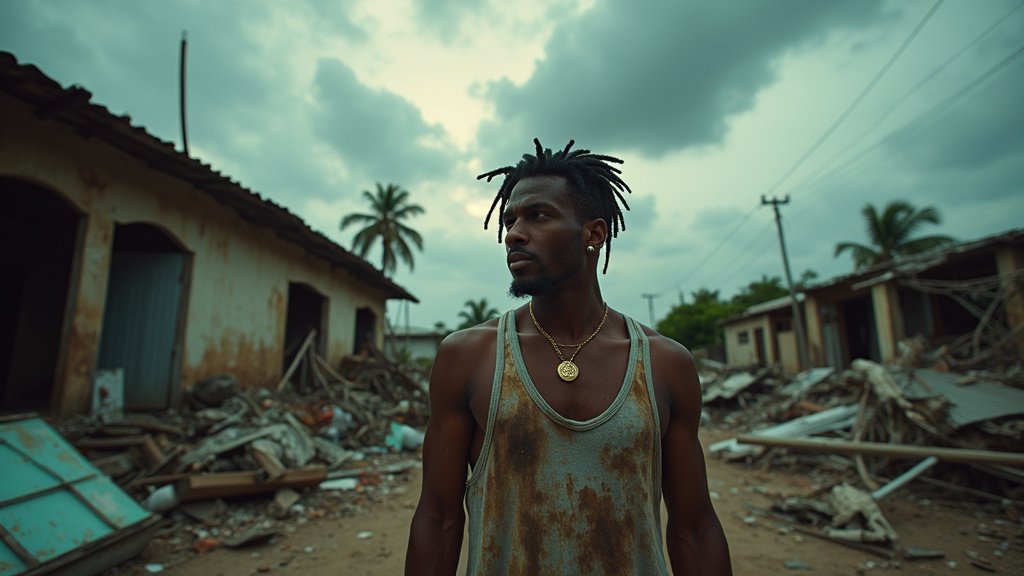
Jamaica is grappling with the aftermath of Hurricane Melissa, a catastrophic Category 5 storm that has been declared the costliest natural disaster in the island’s recorded history, leaving a trail of destruction and profound loss. The hurricane made a historic landfall on October 28, 2025, with winds reaching an astonishing 185 miles per hour, registering a record wind gust of 252 mph. Amidst the widespread devastation, Jamaican superstar Sean Paul provided a rare and dramatic glimpse into life on the ground, sharing harrowing footage of the storm’s fury from his Kingston residence.
Hurricane Melissa’s Unprecedented Onslaught
Hurricane Melissa rapidly intensified over unusually warm Caribbean waters, a phenomenon increasingly linked to human-caused climate change. Scientists estimate that these warmer sea surface temperatures, made significantly more likely by climate change, provided immense energy to fuel the storm’s extreme rapid intensification, transforming it into one of the most powerful Atlantic hurricanes on record. Upon striking Jamaica, Melissa became the strongest hurricane to ever make landfall on the island, surpassing the intensity of Hurricane Gilbert in 1988. The storm’s destructive path brought life-threatening winds, devastating storm surge, and torrential rainfall, leading Prime Minister Andrew Holness to declare Jamaica a “disaster area”.
Sean Paul’s Firsthand Account Amidst the Chaos
From his home in Kingston, Sean Paul documented the unfolding crisis, posting dramatic clips on social media showcasing “winds tearing everything apart,” pounding rain, and debris swirling around his property. With communication lines down and widespread power outages plaguing much of the island, the dancehall icon’s updates offered a crucial source of reassurance and a poignant call for resilience to fans worldwide. His posts revealed the sheer force of the hurricane, with winds described as “ripping away at the coastal infrastructure”.
A Nation Devastated: The Toll on Jamaica
The physical damage inflicted by Hurricane Melissa is staggering, with preliminary estimates from the World Bank and Inter-American Development Bank placing the cost at an estimated US$8.8 billion. This figure is equivalent to 41% of Jamaica’s 2024 Gross Domestic Product, underscoring the immense economic shock the island nation is facing. Residential buildings bore the brunt of the damage, accounting for 41% of the total losses, followed by infrastructure at 33%, non-residential buildings at 21%, and agriculture at 5%. Specifically, 7.2% of the nation’s infrastructure capital, including roads, bridges, and power systems, was wiped out.
Thousands of homes were damaged or destroyed, leaving tens of thousands of Jamaicans homeless and struggling to access basic services. Communities in western Jamaica, particularly in the parishes of St. Elizabeth and Westmoreland, suffered near-total destruction, with towns being decimated. The town of Black River was particularly devastated, described as “ground zero” with up to 90% of its structures losing their roofs.
The human cost has been immense, with at least 46 confirmed fatalities in Jamaica, and dozens more across the wider Caribbean region. Over 1.5 million Jamaicans were affected by the storm, and hundreds of thousands were left without power for extended periods due to cascading infrastructure failures. The United Nations Development Programme estimates that over 4.8 million tonnes of debris blocked roads and access to essential facilities, significantly slowing the delivery of aid and the restoration of services.
Broader Caribbean Impact and Climate Change’s Role
Beyond Jamaica, Hurricane Melissa inflicted catastrophic damage and claimed lives across Haiti, Cuba, and the Dominican Republic. Haiti reported a significant death toll, with at least 43 fatalities. The storm’s intensification over warm Caribbean waters has amplified concerns about the increasing frequency and intensity of hurricanes due to climate change, a trend observed across the region. Scientists note that warmer oceans provide more energy for storms, making them more powerful and destructive.
Resilience and the Road to Recovery
In the face of this unprecedented disaster, relief efforts have intensified, with governments and aid agencies working to reach affected communities. Sean Paul has been actively involved, partnering with organizations like Food for the Poor Jamaica and World Central Kitchen, and pledging to match donations to support recovery efforts. Fellow entertainers, including Shaggy and Maxi Priest, have also stepped up to assist.
While insurance payouts and international aid are crucial, the scale of Melissa’s devastation underscores the urgent need for more sustainable solutions to build resilience against climate change impacts in the Caribbean. The recovery process will be long and challenging, requiring significant investment in rebuilding lives and infrastructure, and reinforcing the critical importance of addressing climate change globally. The news serves as a stark reminder of the vulnerability of the entertainment and wider Caribbean communities to extreme weather events.